aerochrome effect

 SourceEffect
01/ ORIGIN
Kodak Aerochrome was colour infrared film built for aerial reconnaissance. Living vegetation reflects infrared strongly while paint and netting do not, so healthy foliage rendered vivid red and camouflage stayed dull, which made it a tool for spotting what had been hidden. Photographers took it up for exactly the same property used differently, most visibly Richard Mosse's work in the Congo. Kodak discontinued it around 2009 and nothing has replaced it.
02/ SWEEP
CONTRAST sweep


03/ SPEC
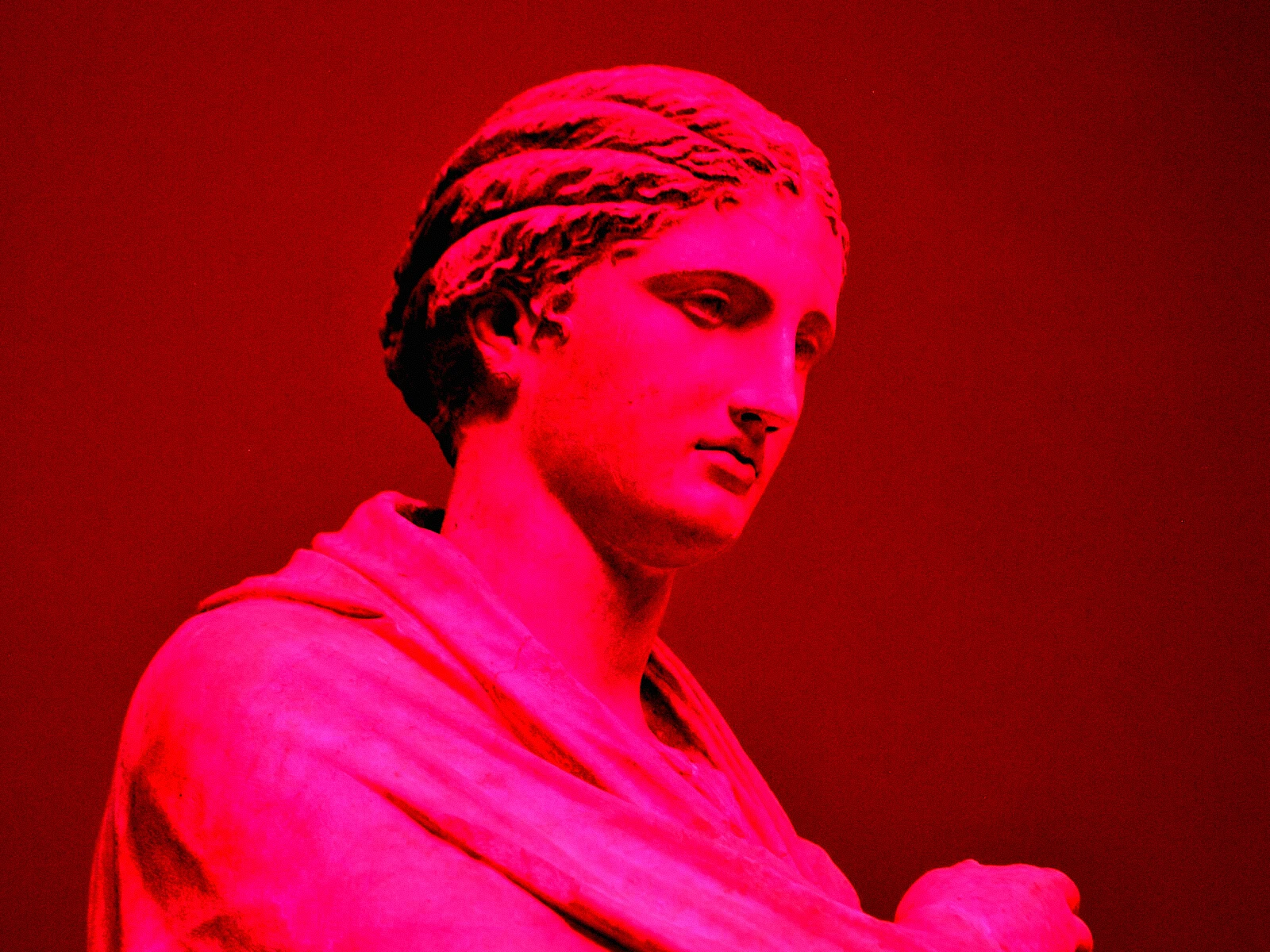
This effect remaps channels the way colour infrared film did, so green content shifts toward red and the overall palette moves into magenta and cyan. CONTRAST runs from 0.2 to 3 with a default of 1 and controls tonal separation after the remap, which determines how strongly the shifted hues read against each other. HALATION from 0 to 1 adds the soft red bleed around bright areas that the film's thick emulsion produced. In kott it renders in natural colour, which this effect requires since the entire result is a hue substitution.
04/ FAQ
- What is an Aerochrome effect?
- An Aerochrome effect imitates Kodak's colour infrared film, remapping channels so vegetation and other infrared-reflective subjects render red while the palette shifts toward magenta and cyan.
- Why did infrared film turn plants red?
- Living vegetation reflects infrared strongly, and the film assigned infrared to the red layer. Paint and camouflage netting do not reflect it, which is why the film was built for reconnaissance.
- What does HALATION add?
- The soft red bleed around bright areas that Aerochrome's thick emulsion produced when light scattered inside it. It is what stops the effect reading as a flat channel swap.