text dissolve effect
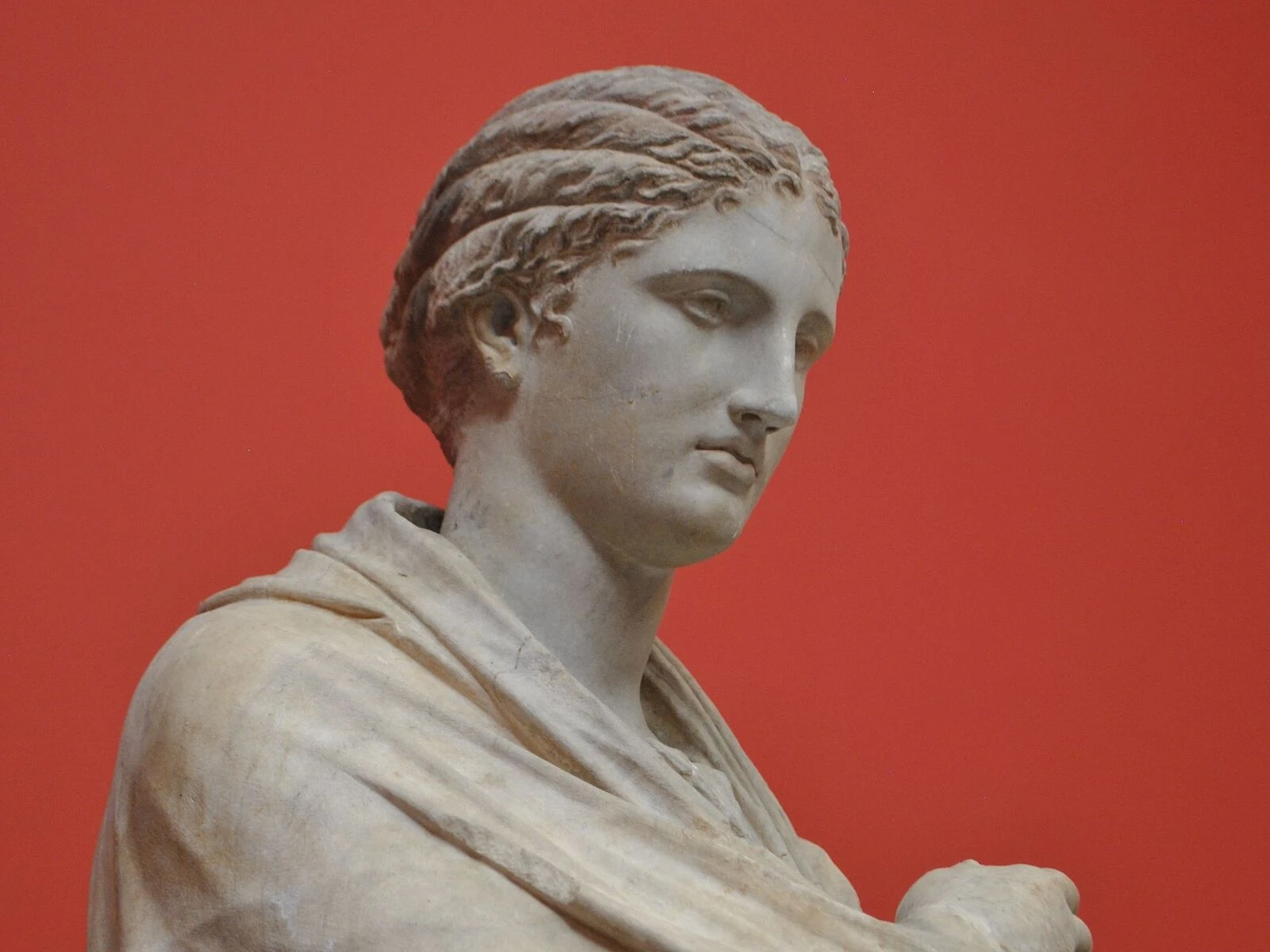
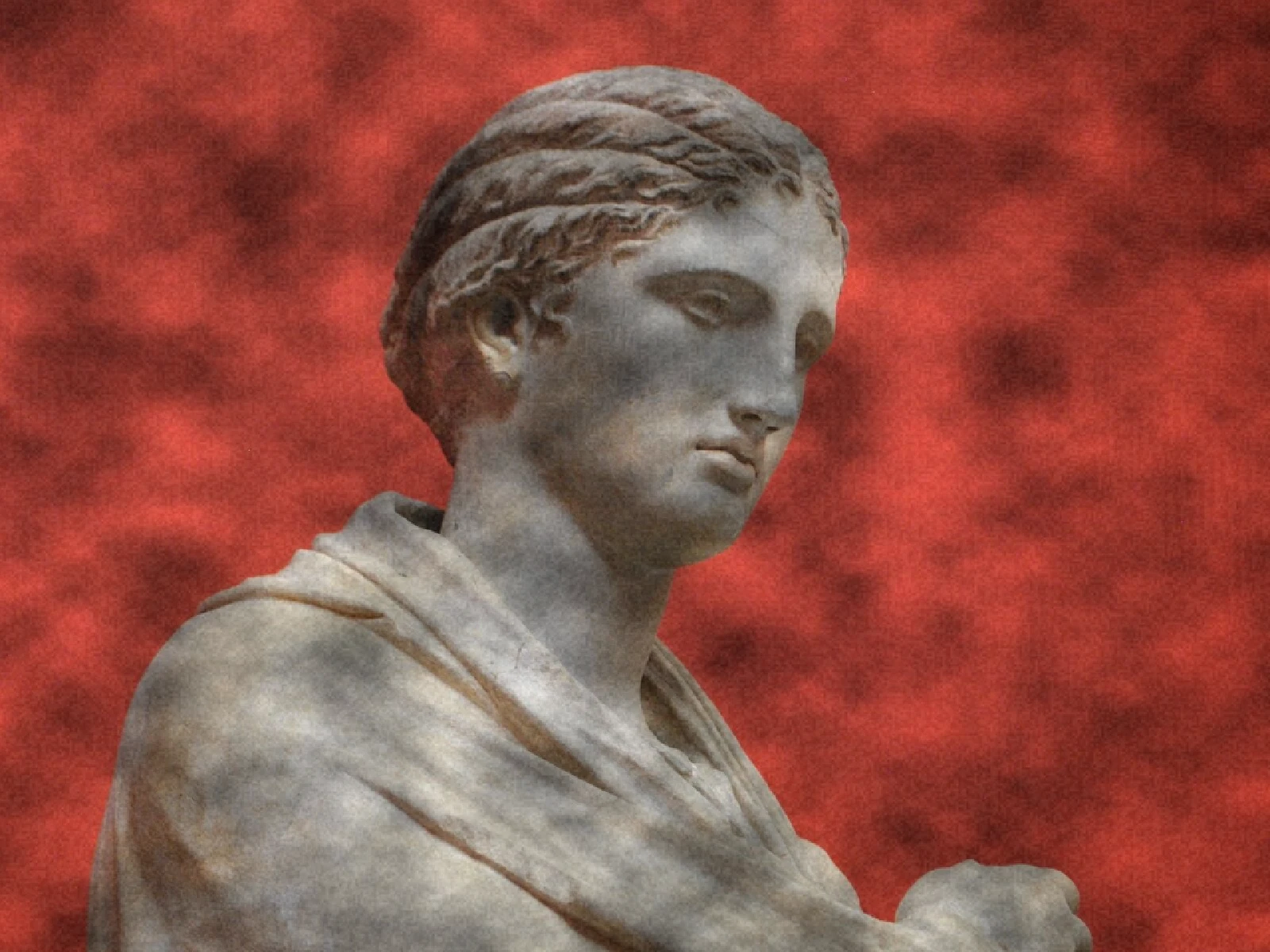 SourceEffect
01/ ORIGIN
The dissolve is one of the oldest effects in cinema, achieved on an optical printer by fading one exposure down while fading another up on the same strip of film. It signalled elapsed time so reliably that audiences learned to read it as a grammar rather than a technique. Doing it with type rather than with photography keeps the grammar and changes the unit: what dissolves is not light but letters.
02/ MOTION
in motion

03/ SPEC
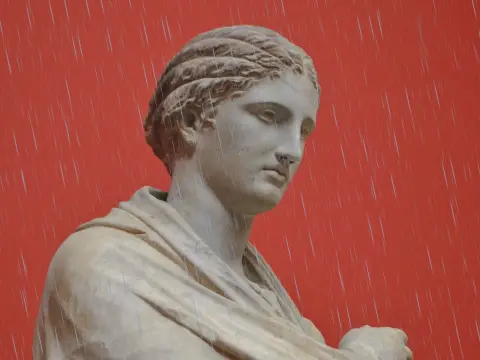
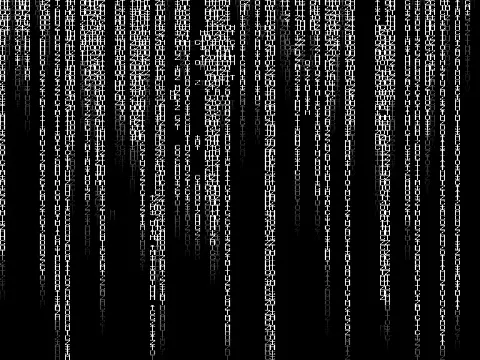
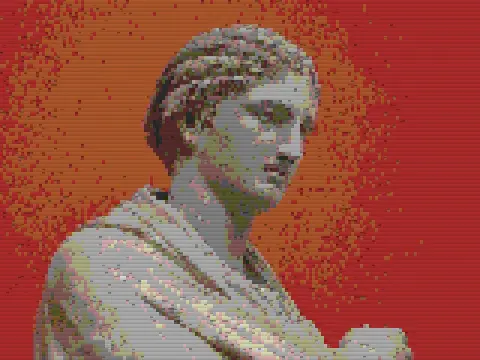
This effect renders the image from glyphs and then displaces them over time, so characters drift out of their sampling positions and back. THRESHOLD decides which parts of the image have dissolved at any moment, so it is the position within the dissolve rather than its speed. ERODE controls how aggressively characters break away, NOISE the irregularity of the boundary, RISE the drift speed, and BLOOM the glow on departing glyphs. Because the movement between assembled and scattered states is the whole effect, in kott this page shows a loop: a still frame catches it either assembled, which looks like plain ASCII, or scattered, which looks like noise.
04/ FAQ
- What is a text dissolve effect?
- It renders an image from glyphs and then displaces them over time, so the characters drift apart and reassemble, dissolving the picture into scattered type and back.
- What is a dissolve in film?
- A transition made on an optical printer by fading one exposure down while fading another up on the same film. Audiences learned to read it as elapsed time rather than as a technique.
- How is this different from ASCII art?
- ASCII art holds its characters in fixed positions. This displaces them over time, so the effect lives in the movement between the assembled image and its scattered glyphs.