topographic map effect

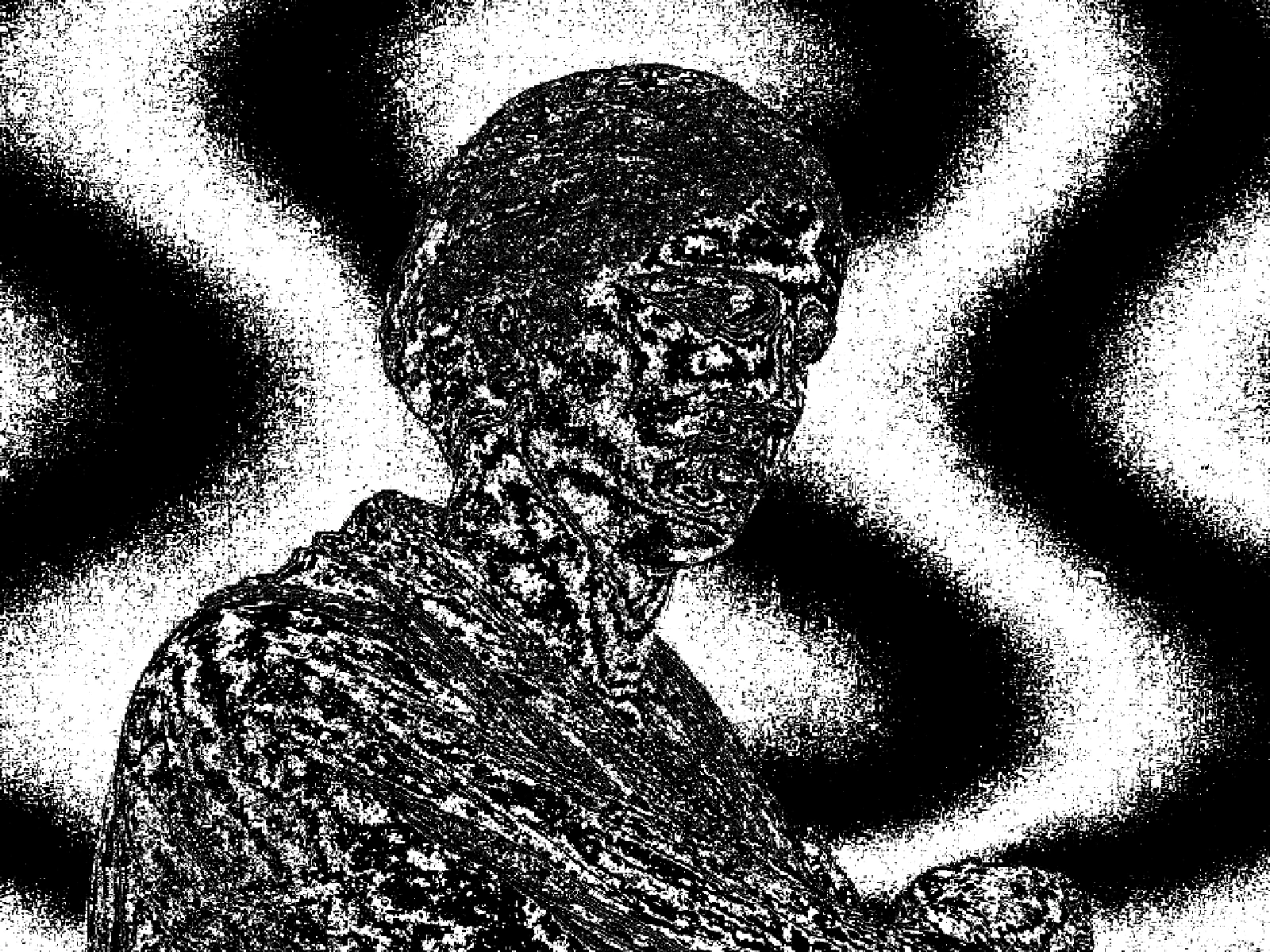 SourceEffect
01/ ORIGIN
The terrain is procedural noise, and the reason it looks like terrain is Ken Perlin, who built a noise function in 1983 for the visual effects on Tron and received an Academy Award for it in 1997. Its property is smooth pseudo-randomness: no repeats, no visible grid, and a texture at every scale, which is exactly how natural surfaces behave. Almost every synthetic landscape, cloud and marble since descends from it.
02/ SWEEP
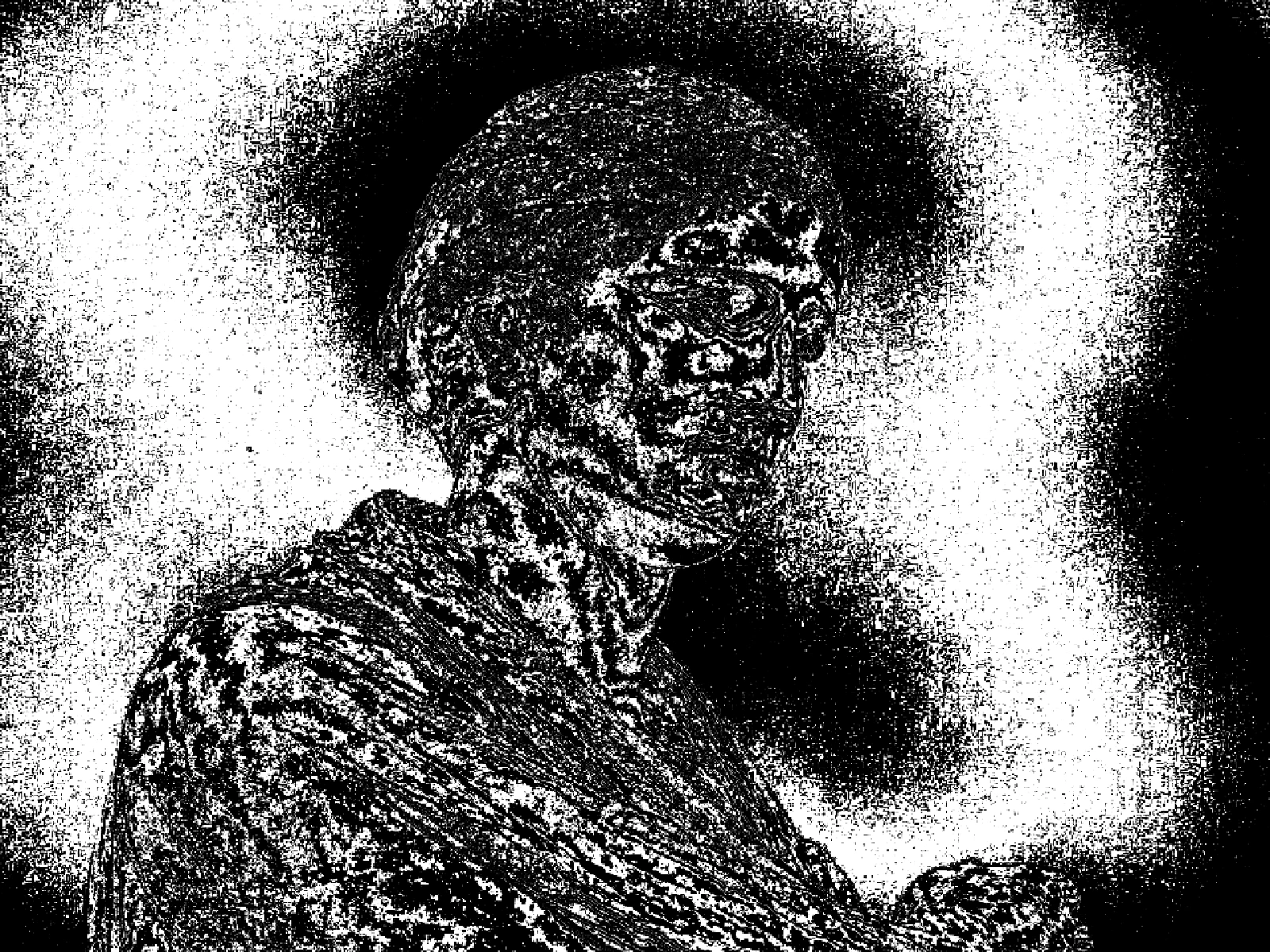
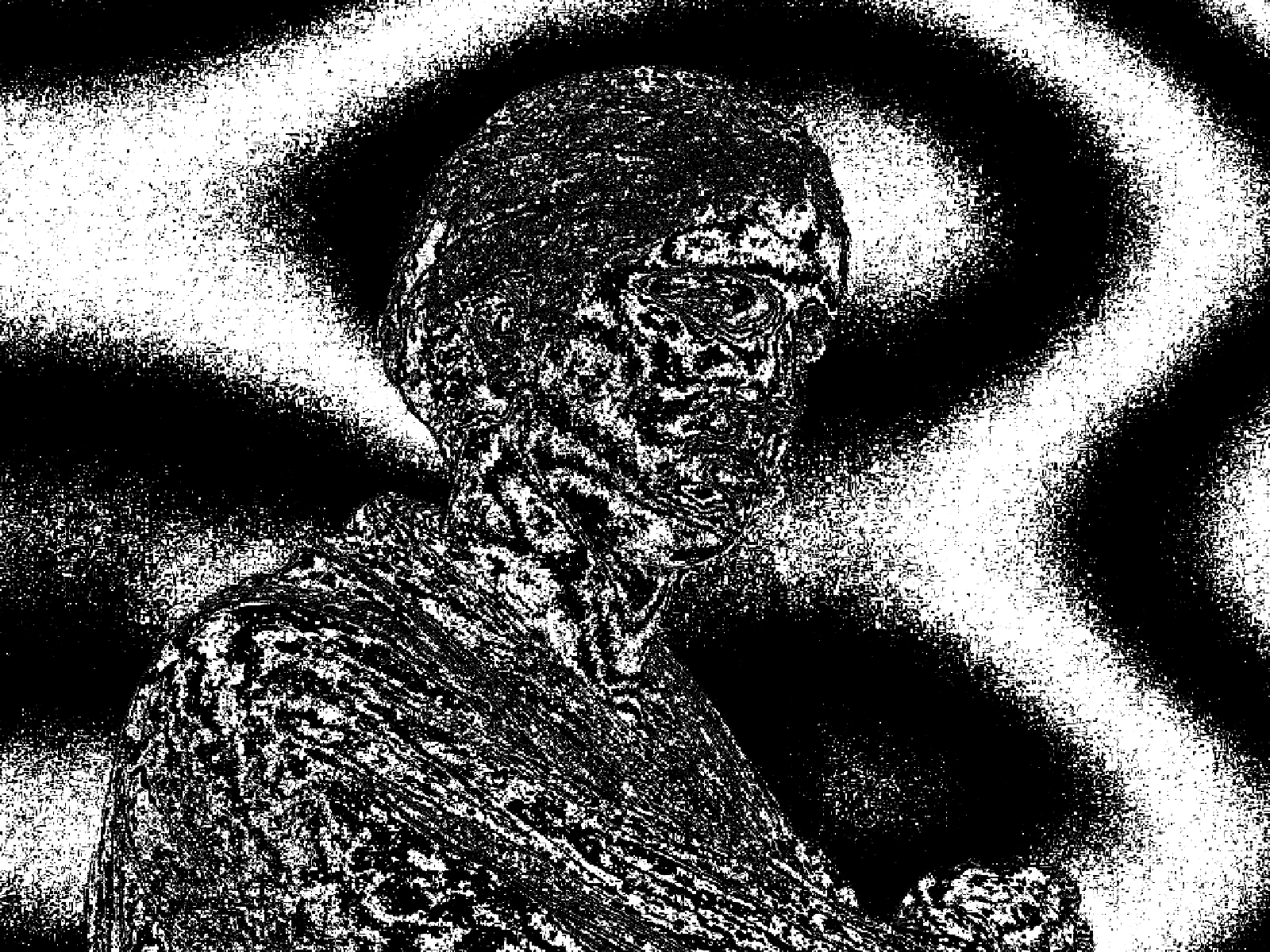
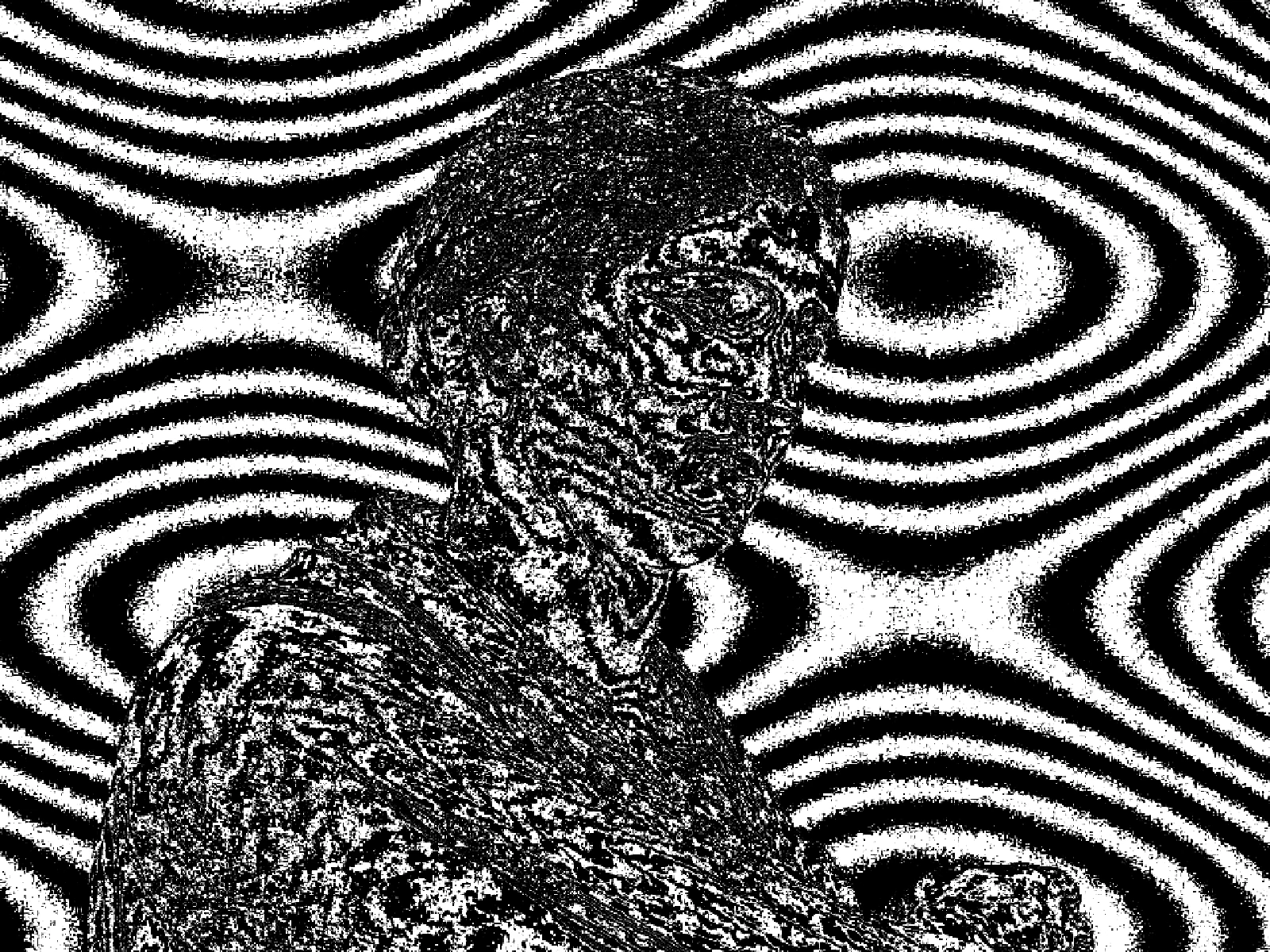
WARP sweep
03/ SPEC
This effect generates a smooth noise field, treats it as an elevation surface and draws a line wherever it crosses a fixed interval, which is contouring applied to synthesised terrain rather than to the image's own tone. WARP runs from 1 to 19 with a default of 3 and is the only control, setting how strongly the source image displaces that field, so the contours bend around the subject rather than ignoring it. In kott it renders in natural colour so the bands between contours carry hue.
04/ FAQ
- What is a topographic map effect?
- It generates a smooth noise field, treats it as elevation, and draws contour lines at fixed intervals, so an image becomes a synthetic landscape traced the way a survey map is.
- What is Perlin noise?
- A smooth pseudo-random function built by Ken Perlin in 1983 for Tron, which won an Academy Award in 1997. It has no visible repeats and detail at every scale, like natural surfaces.
- What is the difference between this and a contour effect?
- A contour effect traces the image's own brightness. This generates its own terrain and lets the image displace it, so the lines describe a landscape rather than a photograph.