cross stitch effect
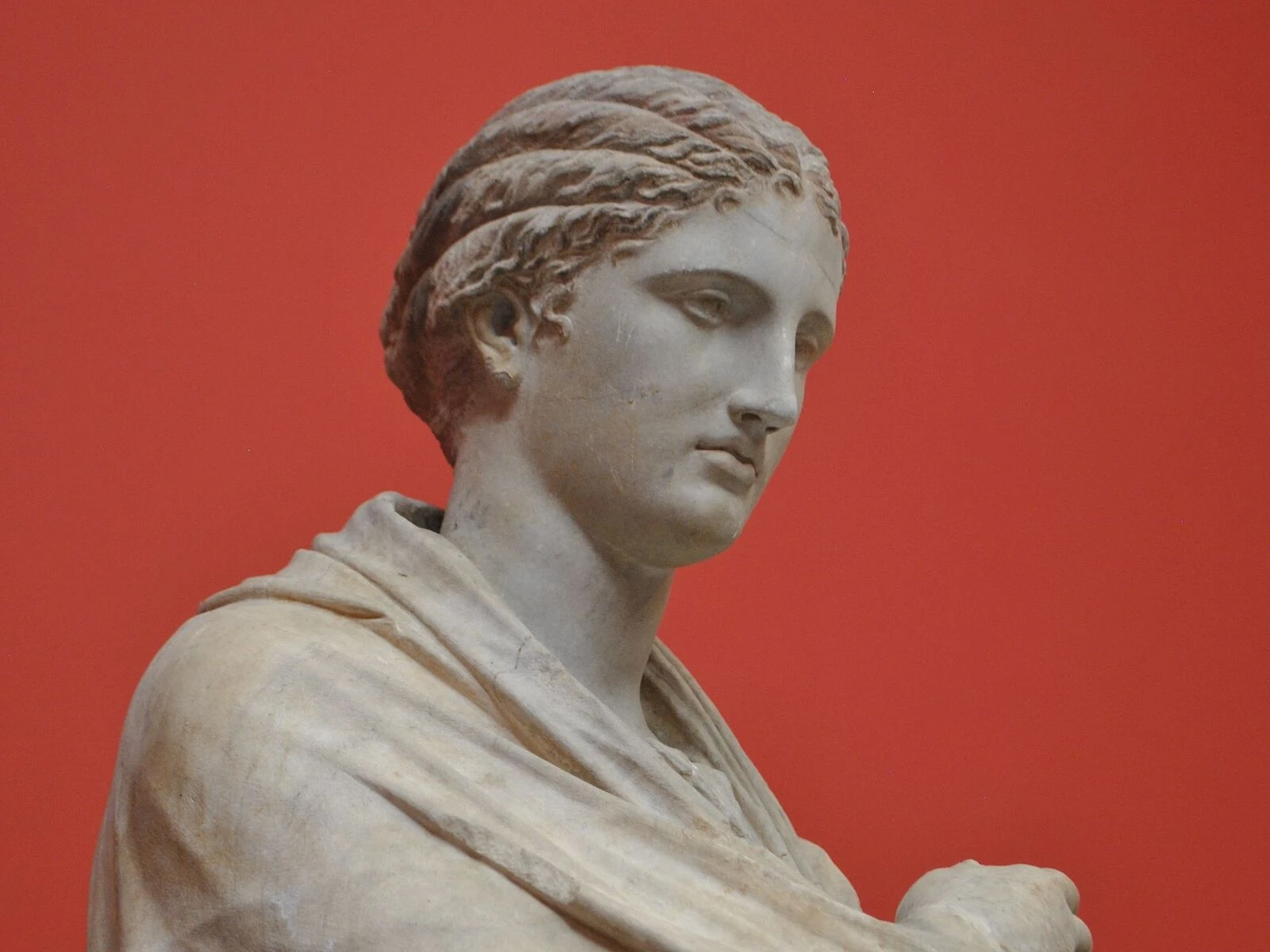
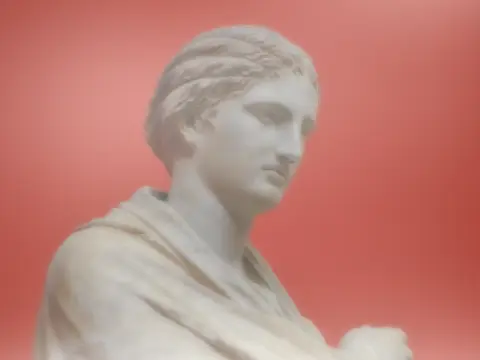
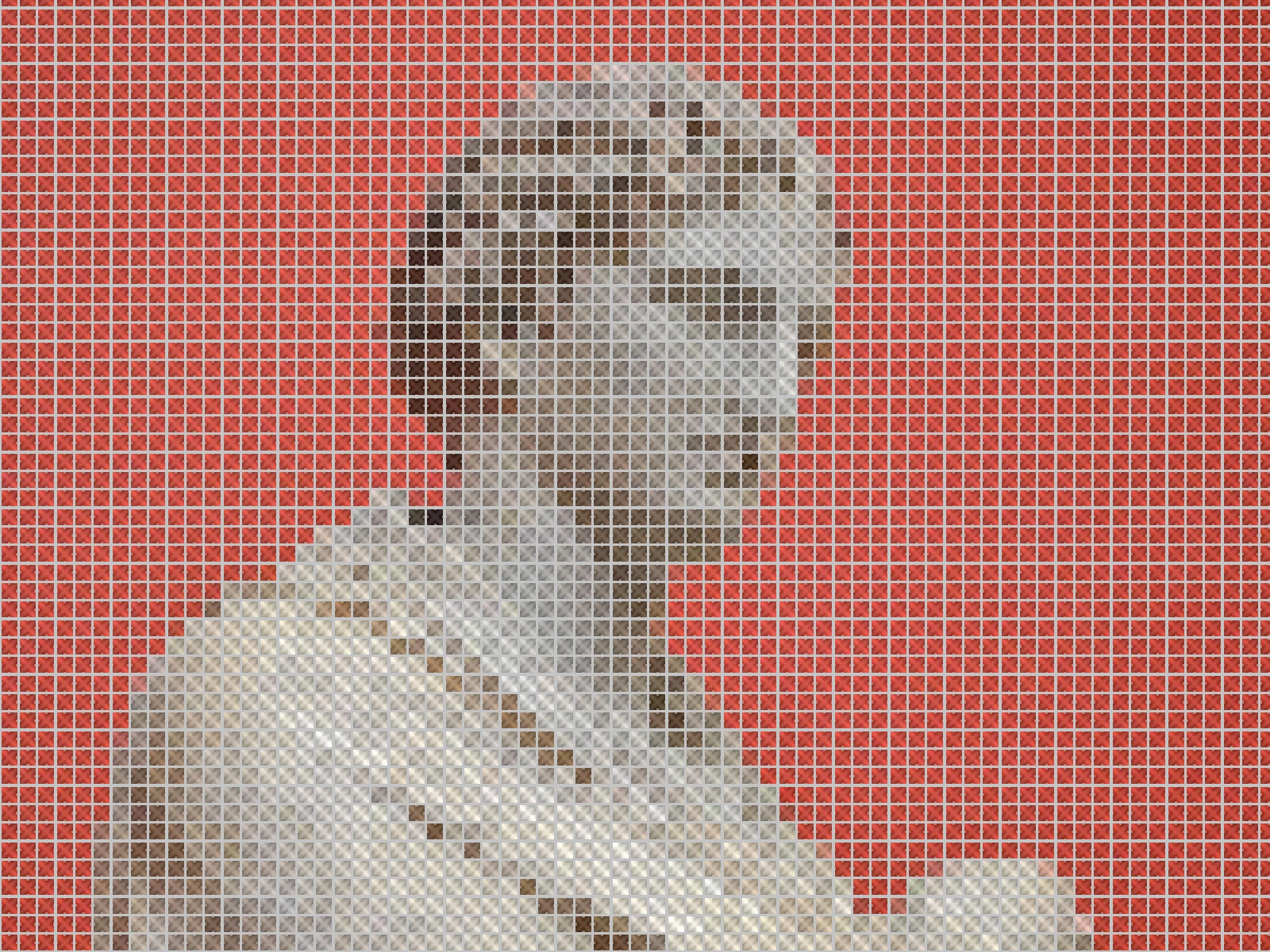 SourceEffect
01/ ORIGIN
Counted-thread embroidery is a raster format that predates the raster. The fabric's own weave supplies the grid, each square receives one crossed stitch or none, and tone comes from the colour of thread you happen to hold. Samplers worked this way for centuries across Europe and the Near East, and the alphabets and borders stitched into them are, functionally, bitmap fonts. The medium forced the same discipline a low-resolution display would demand two hundred years later.
02/ SWEEP
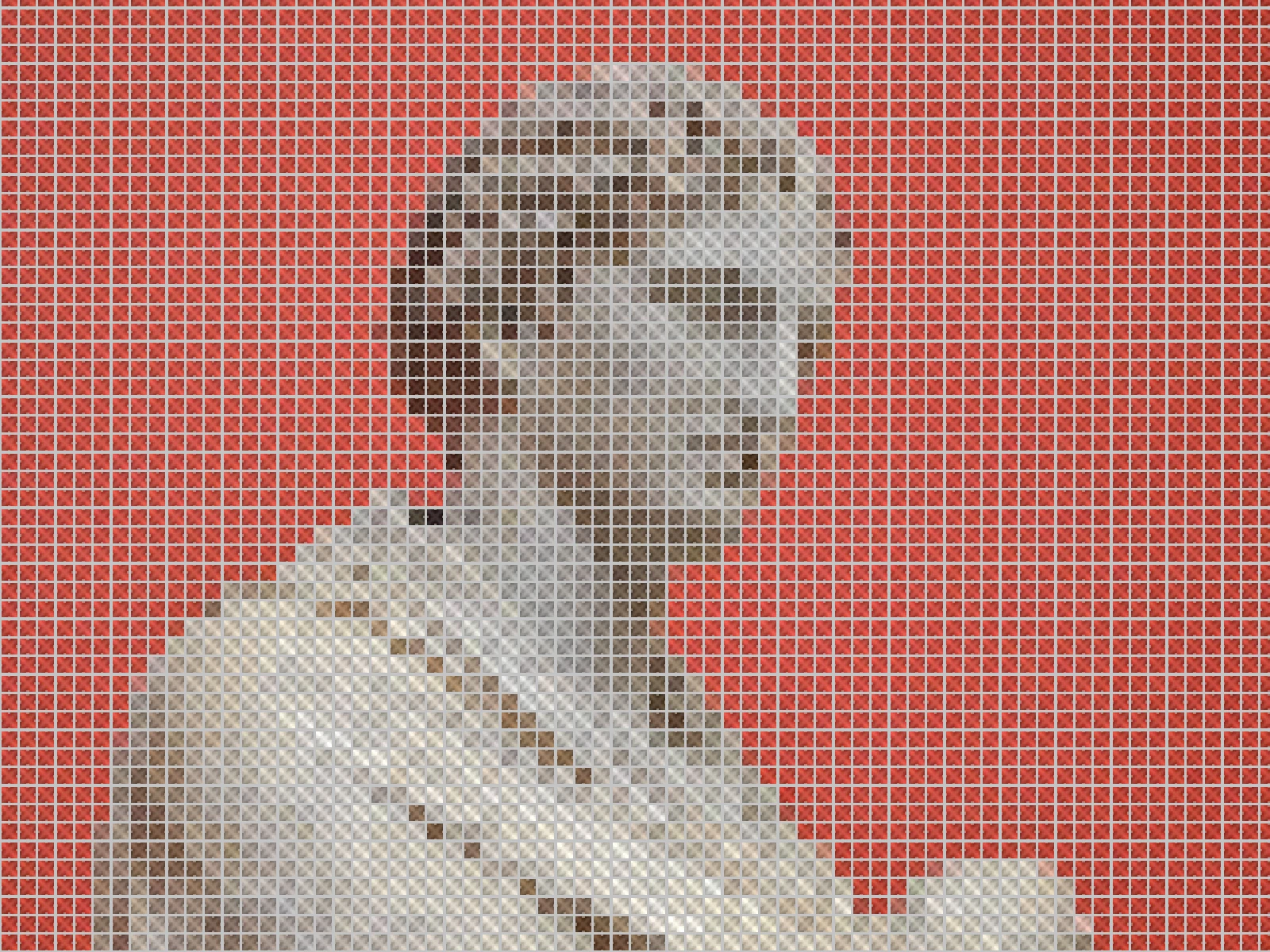
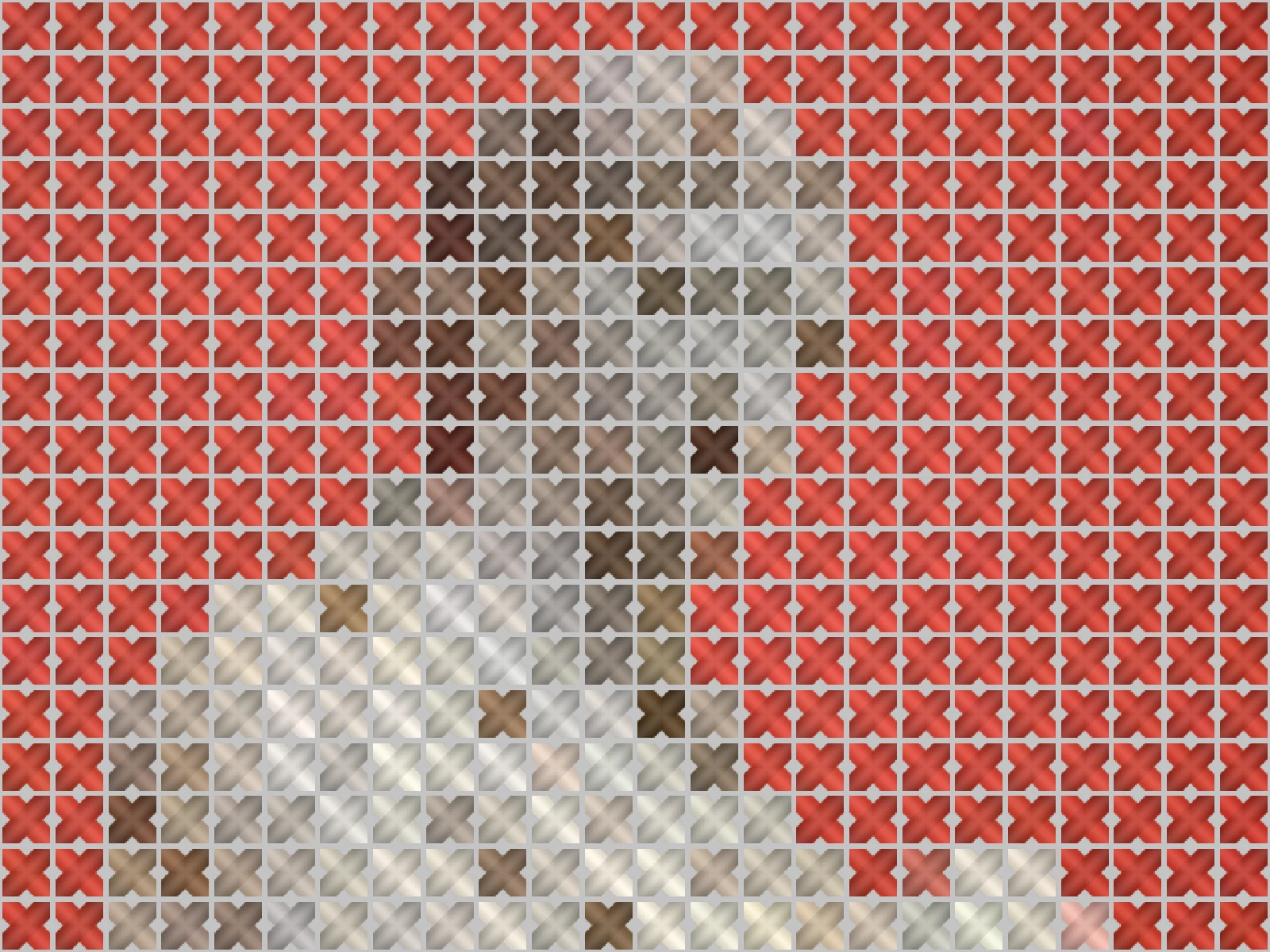
CELL SIZE sweep
03/ SPEC
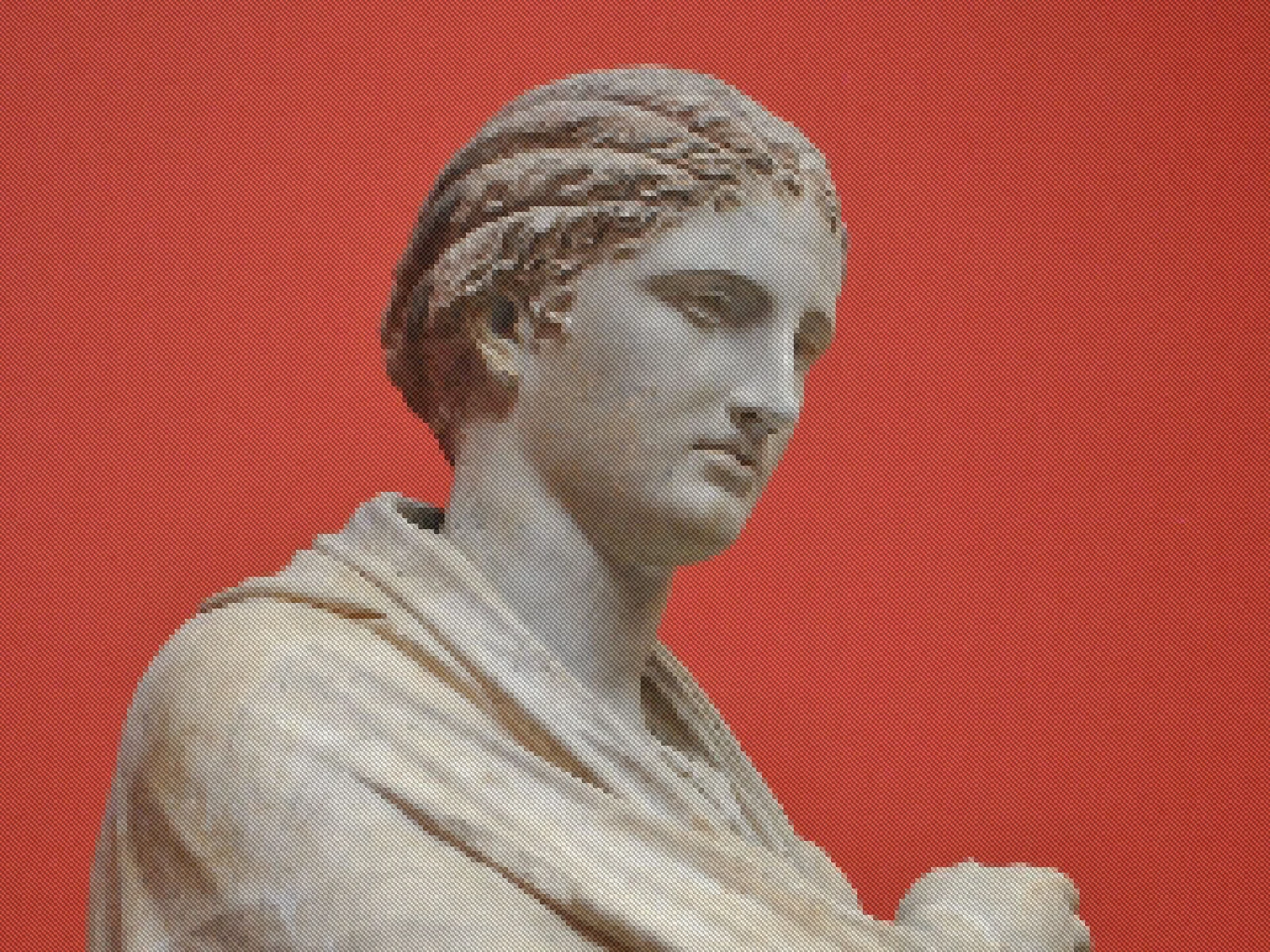
This effect samples the image onto a grid and renders each cell as a crossed stitch with visible thread shading, leaving fabric between the stitches. CELL SIZE runs from 4 to 40 pixels with a default of 14 and sets the stitch count, which is the direct analogue of fabric count in real embroidery: low values give a dense fine piece, high values a coarse one. THREAD controls how much the stitch reads as raised floss against the ground. In kott it renders in natural colour so the thread carries the source hue.
04/ FAQ
- What is a cross stitch effect?
- A cross stitch effect rebuilds an image as X-shaped stitches on a regular grid, with visible fabric between them, imitating counted-thread embroidery where the weave supplies the grid.
- What CELL SIZE matches real fabric count?
- Smaller values correspond to higher fabric counts. CELL SIZE 4 to 8 reads like fine 18-count aida, and 25 or above reads like the coarse canvas used for quick samplers.
- What is the difference between cross stitch and pixelation?
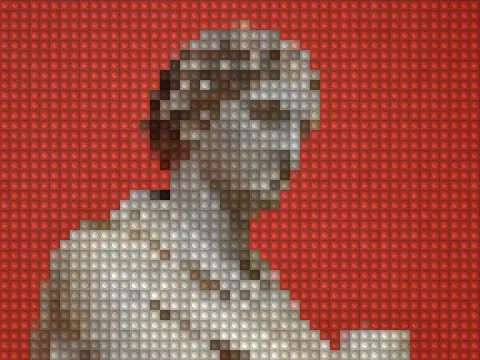
- Pixelation fills each cell completely with flat colour. Cross stitch draws a crossed thread shape inside the cell and leaves the fabric showing around it, so the grid stays visible as texture.