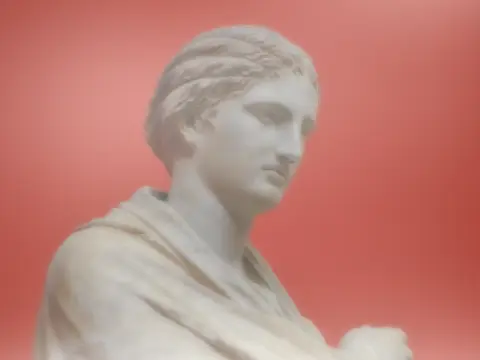
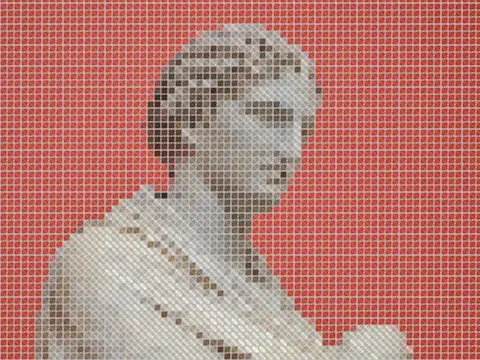
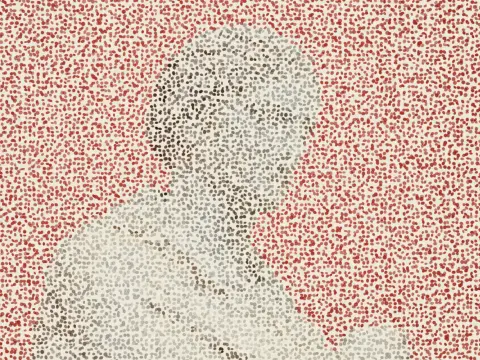
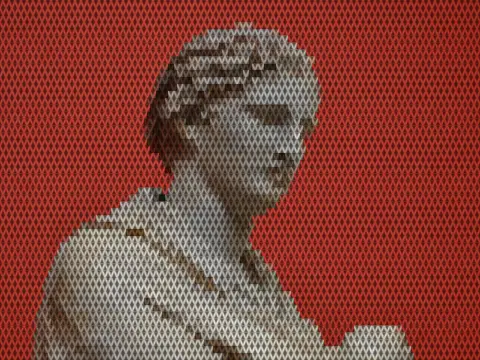
gaussian blur effect
 SourceEffect
01/ ORIGIN
The weighting comes from the normal distribution Carl Friedrich Gauss described in the early nineteenth century for errors of measurement, not for pictures. Its usefulness here is mathematical: a two-dimensional Gaussian can be applied as two one-dimensional passes, which makes a blur that would otherwise cost the square of its radius cost only twice the radius. That separability is why this specific curve, out of all possible blurs, became the one every image tool ships.
02/ SWEEP
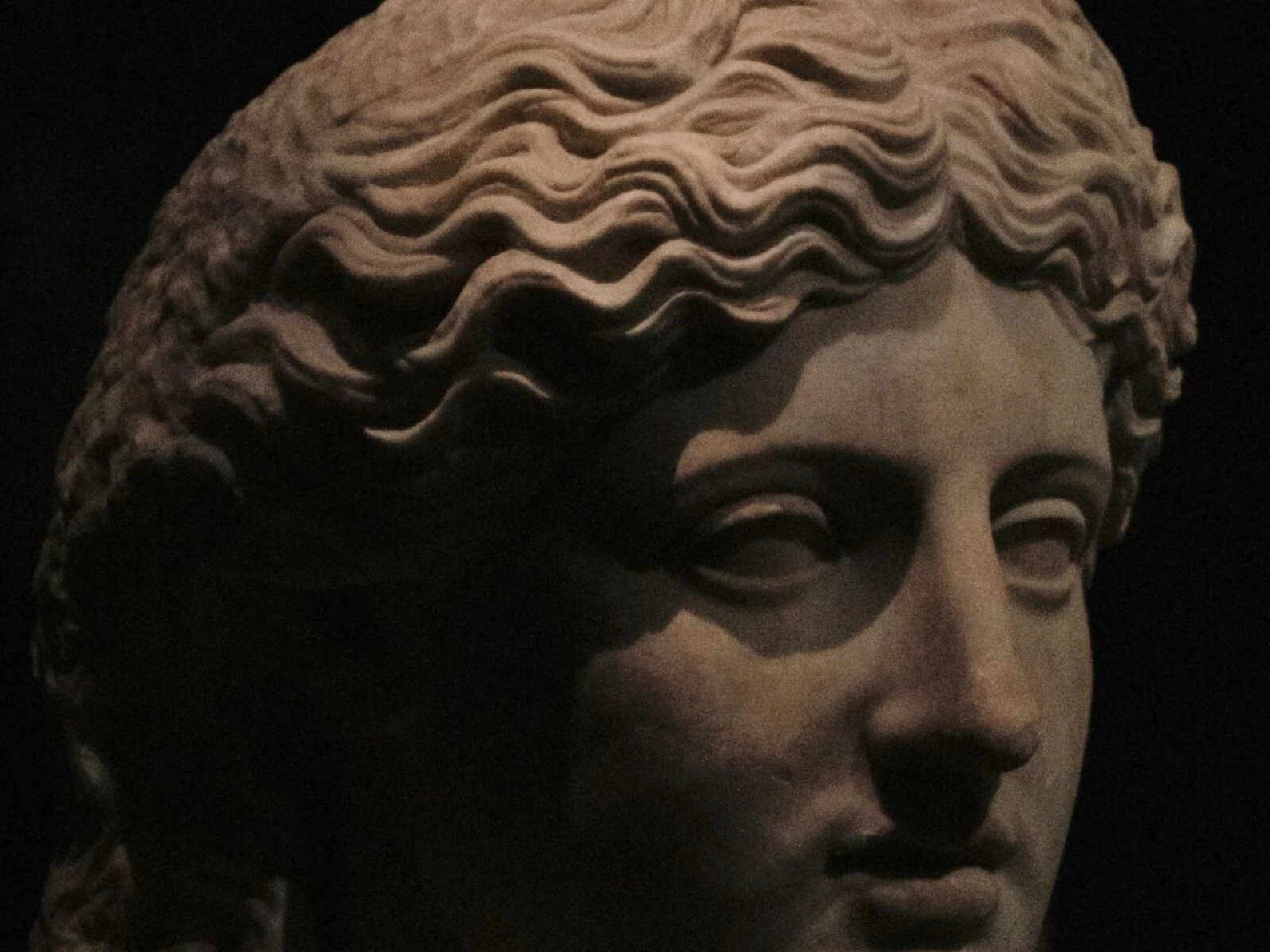
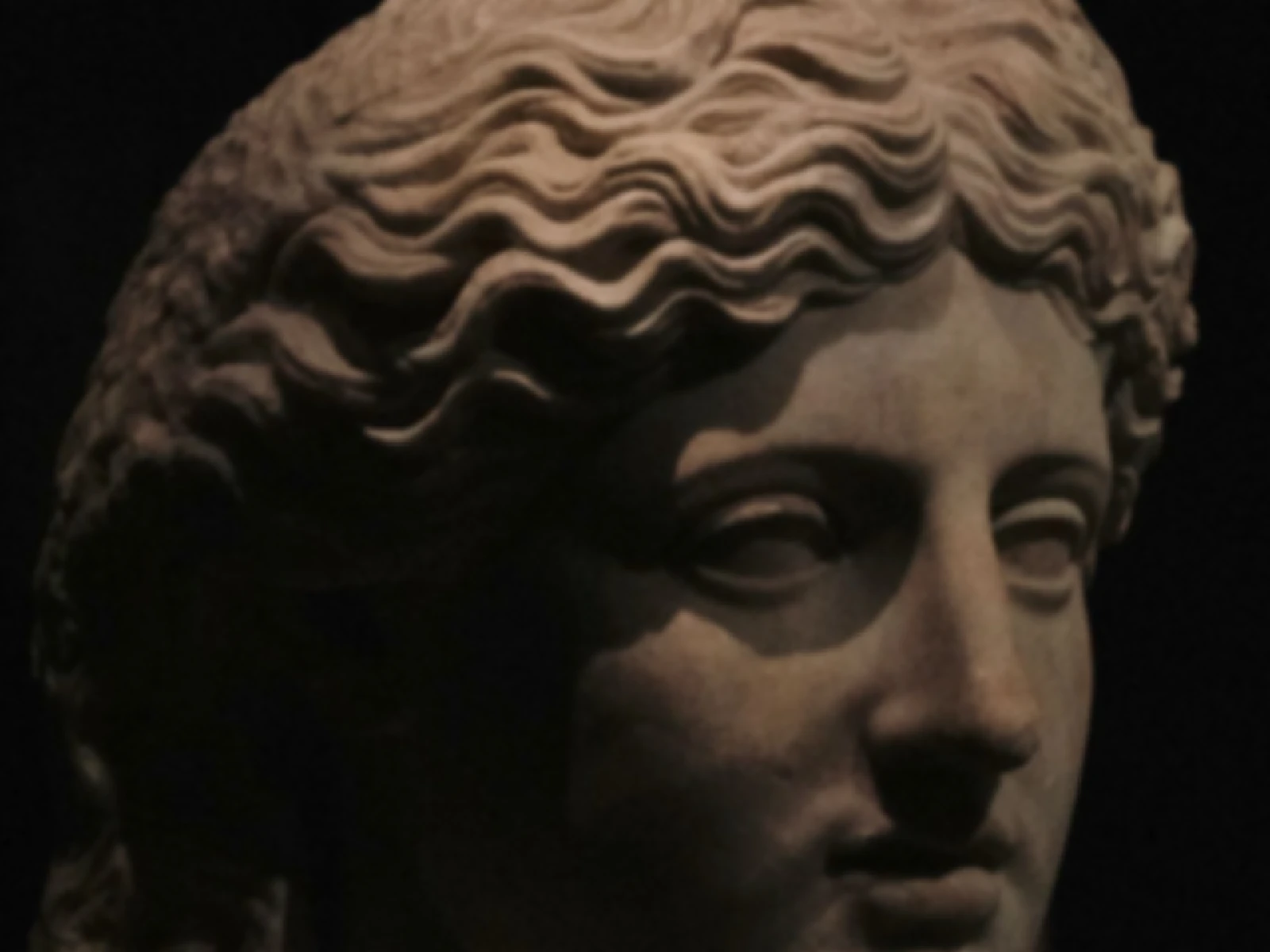
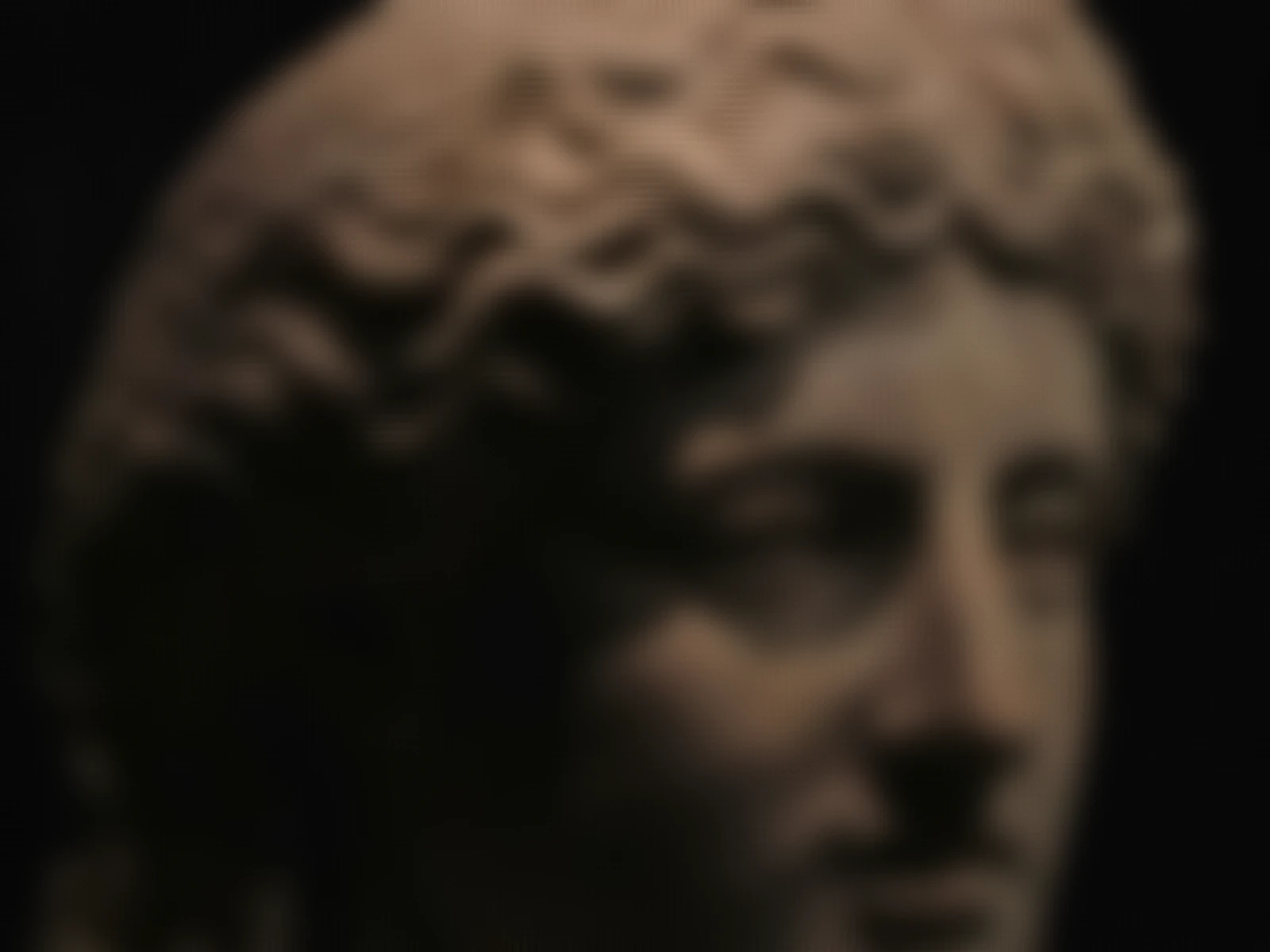
RADIUS sweep
03/ SPEC
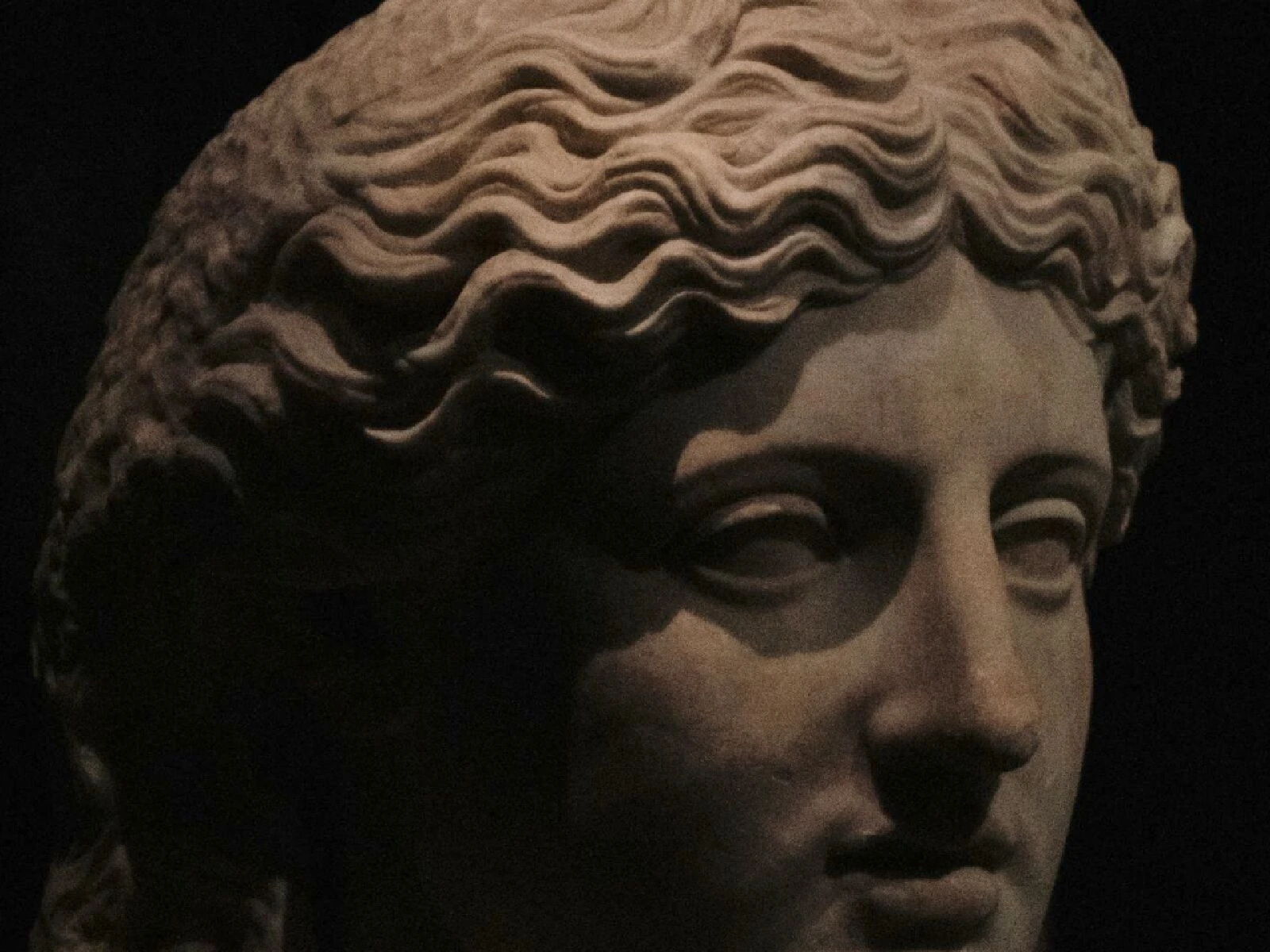
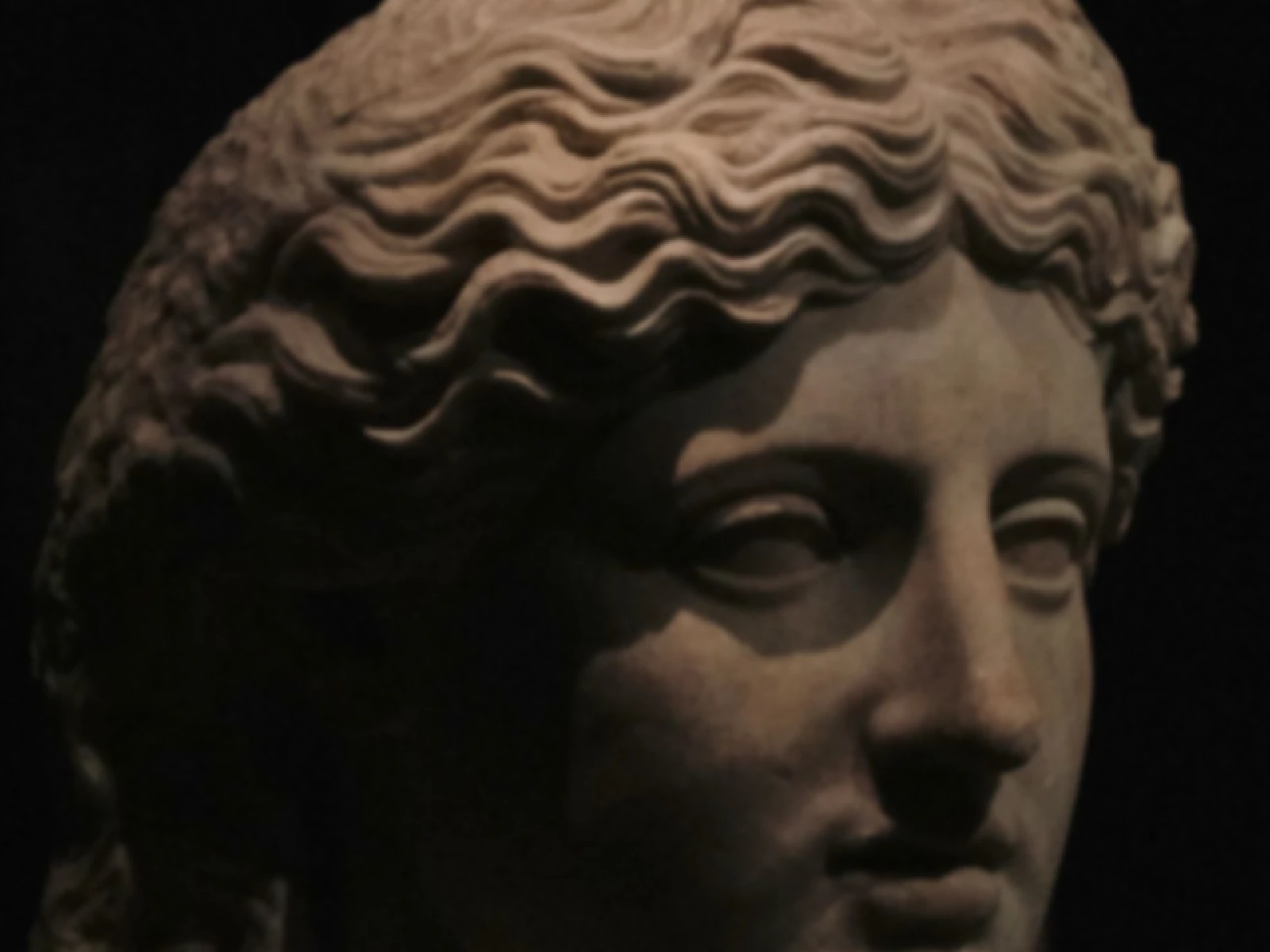
This effect convolves the image with a Gaussian kernel, weighting each contributing pixel by distance so falloff is smooth rather than boxy. RADIUS runs from 0 to 24 pixels with a default of 4 and is the only control, setting how far the averaging reaches: 0 is a pass-through and 24 removes all but the largest shapes. Because a Gaussian is separable it runs as two passes rather than one square kernel, which is why in kott the cost grows with radius rather than with its square.
04/ FAQ
- What is a Gaussian blur?
- A Gaussian blur replaces each pixel with a weighted average of its neighbours, using the normal distribution to weight by distance so the falloff is smooth rather than abrupt.
- Why is Gaussian blur used instead of other blurs?
- It is separable: a two-dimensional Gaussian can be applied as two one-dimensional passes, so cost grows with radius rather than with its square. That efficiency is why it became standard.
- What is the difference between Gaussian blur and a box blur?
- A box blur weights every pixel in its window equally, which leaves boxy artifacts. A Gaussian weights by distance, so the result is smooth and has no directional structure.