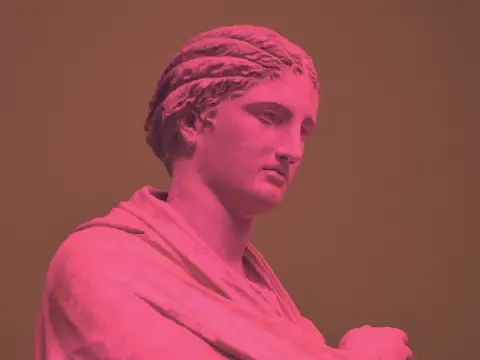
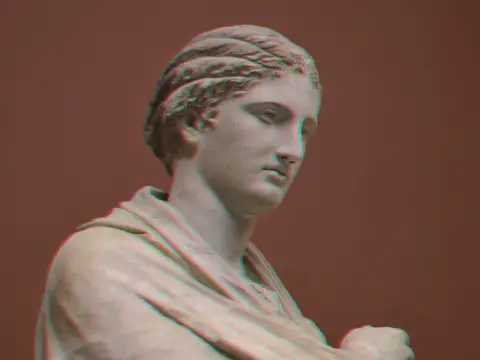
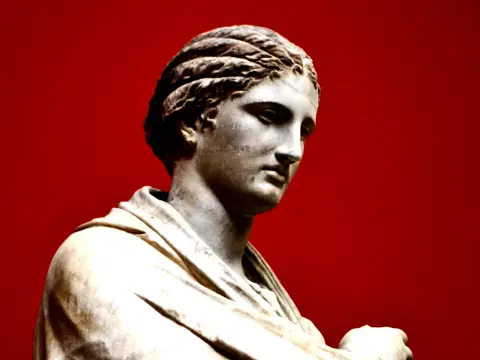
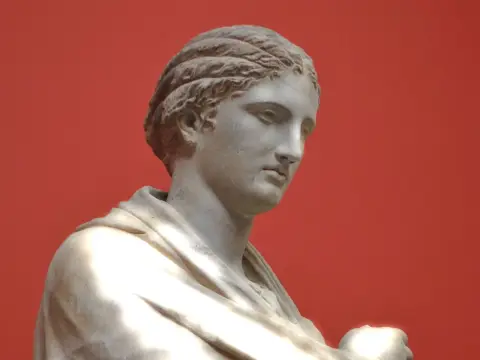
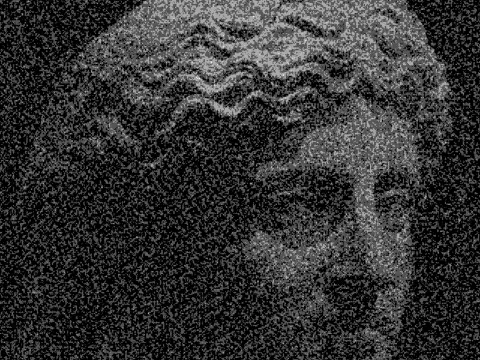
thermal camera effect
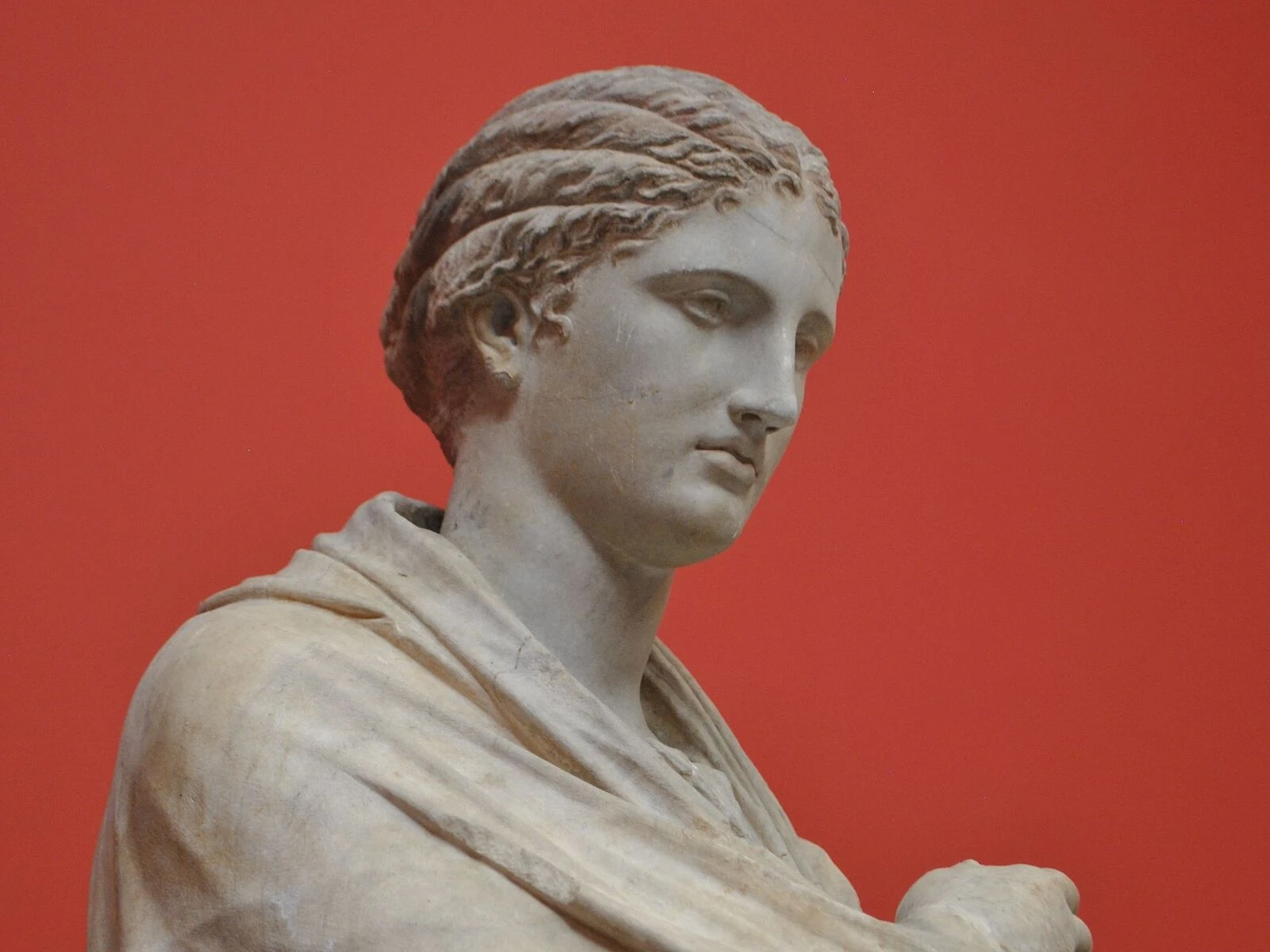
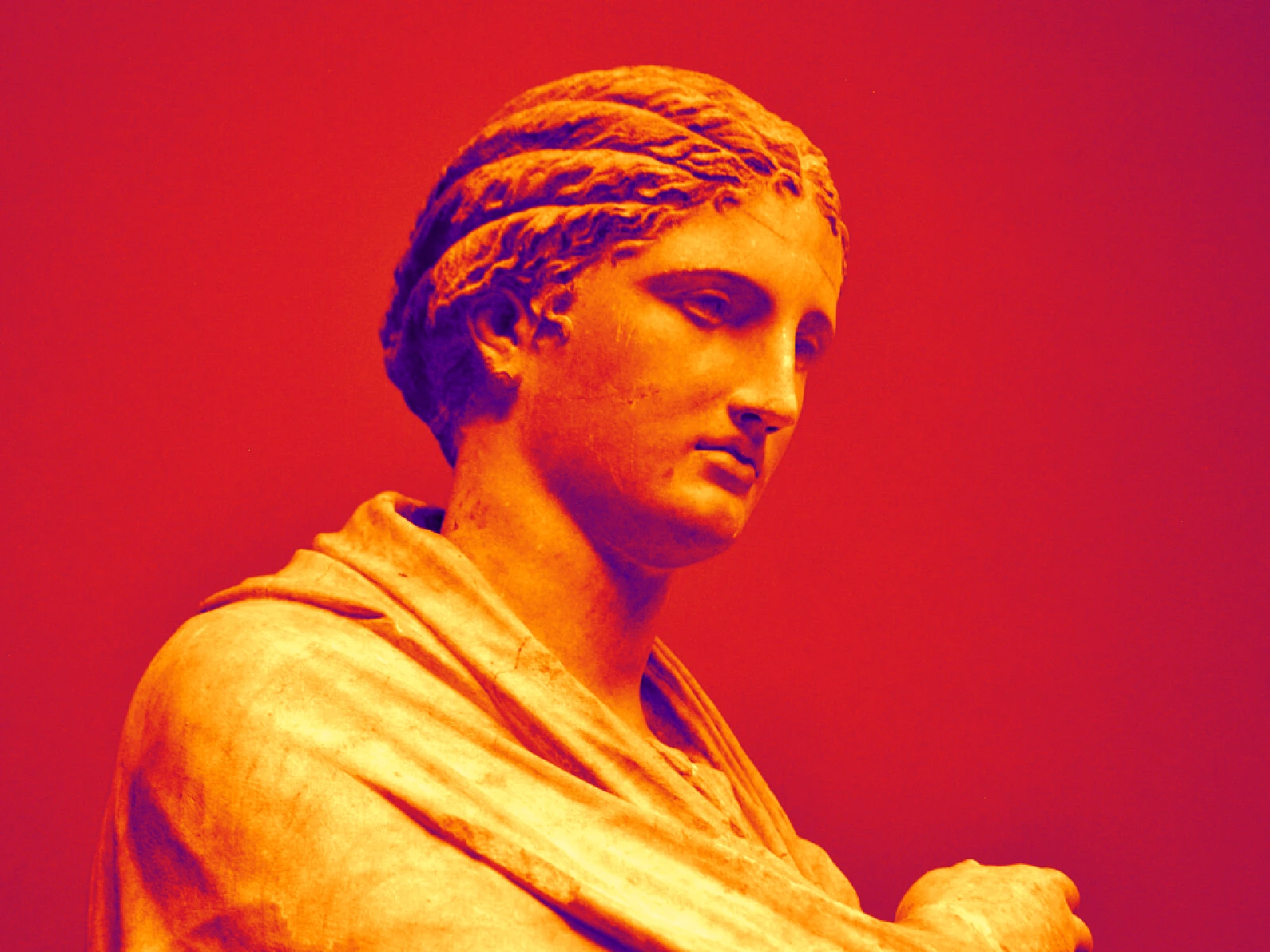 SourceEffect
01/ ORIGIN
William Herschel found infrared in 1800 by putting a thermometer past the red end of a prism's spectrum and watching it climb. Imaging it took another century and a half, largely for military use, and the results arrived as raw intensity with no colour information whatsoever. Every thermal image you have ever seen is therefore false colour: an engineer chose a scale, usually blue to white through red, and that arbitrary choice became so familiar it now reads as a measurement.
02/ SWEEP
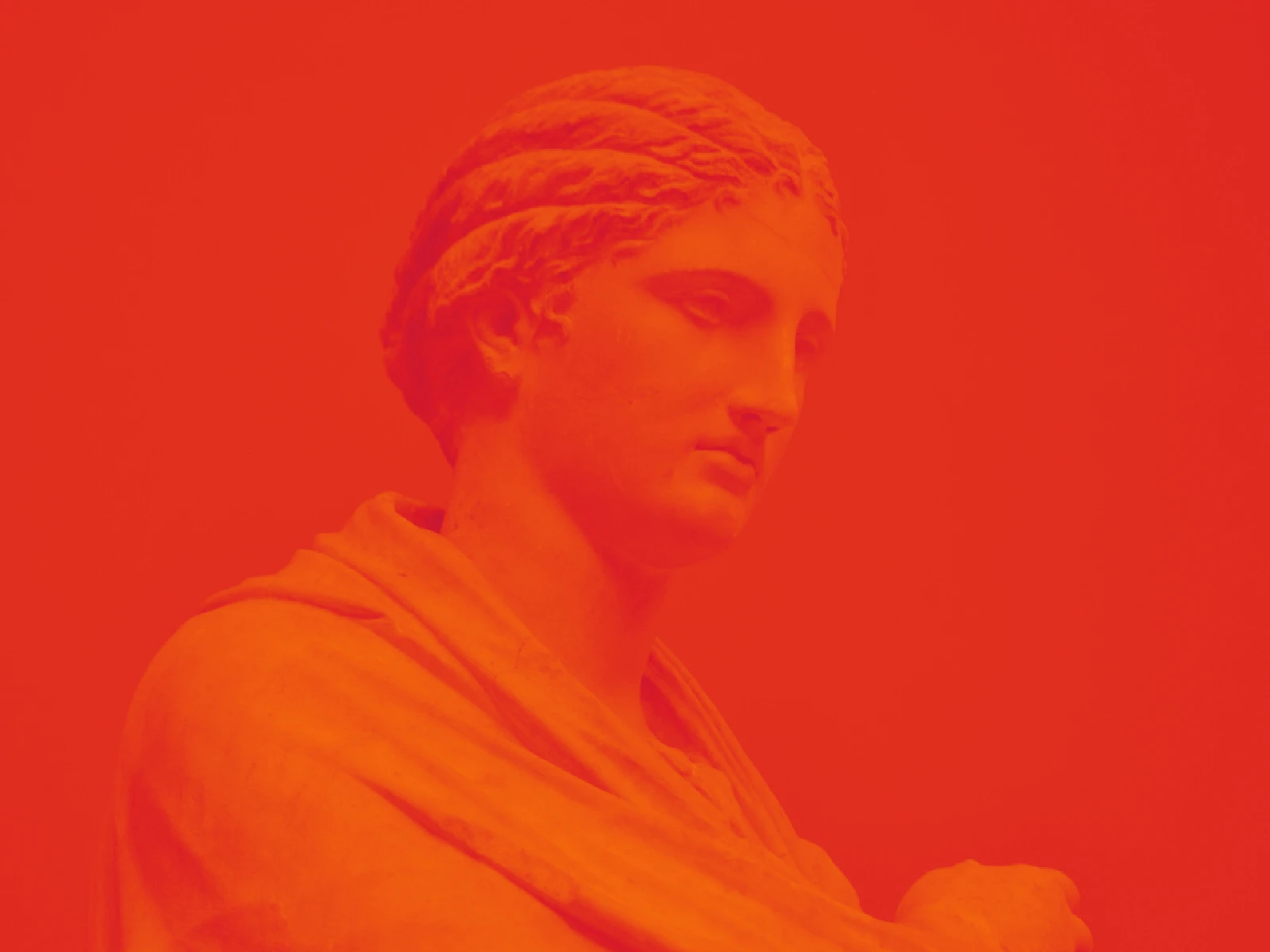
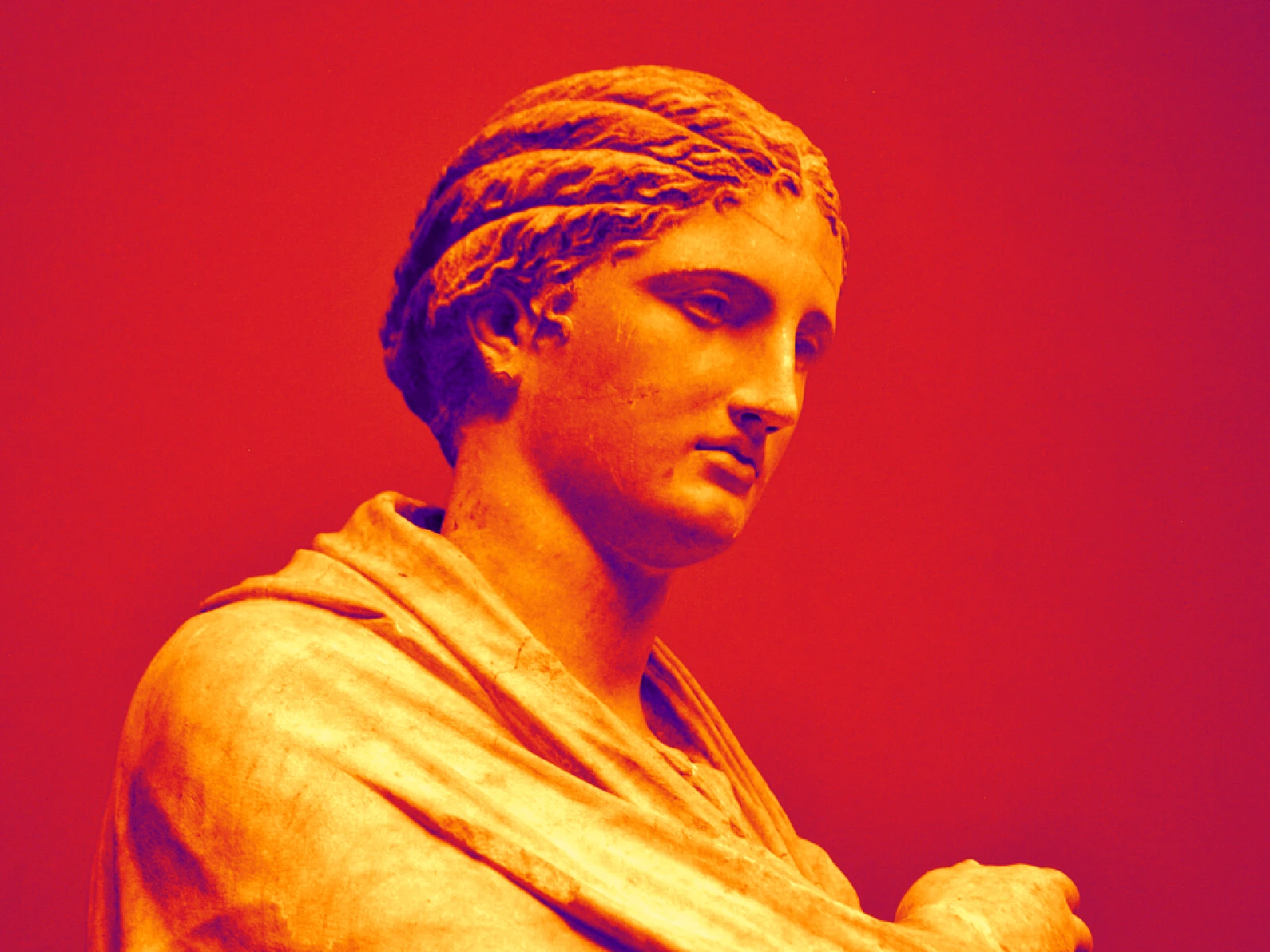
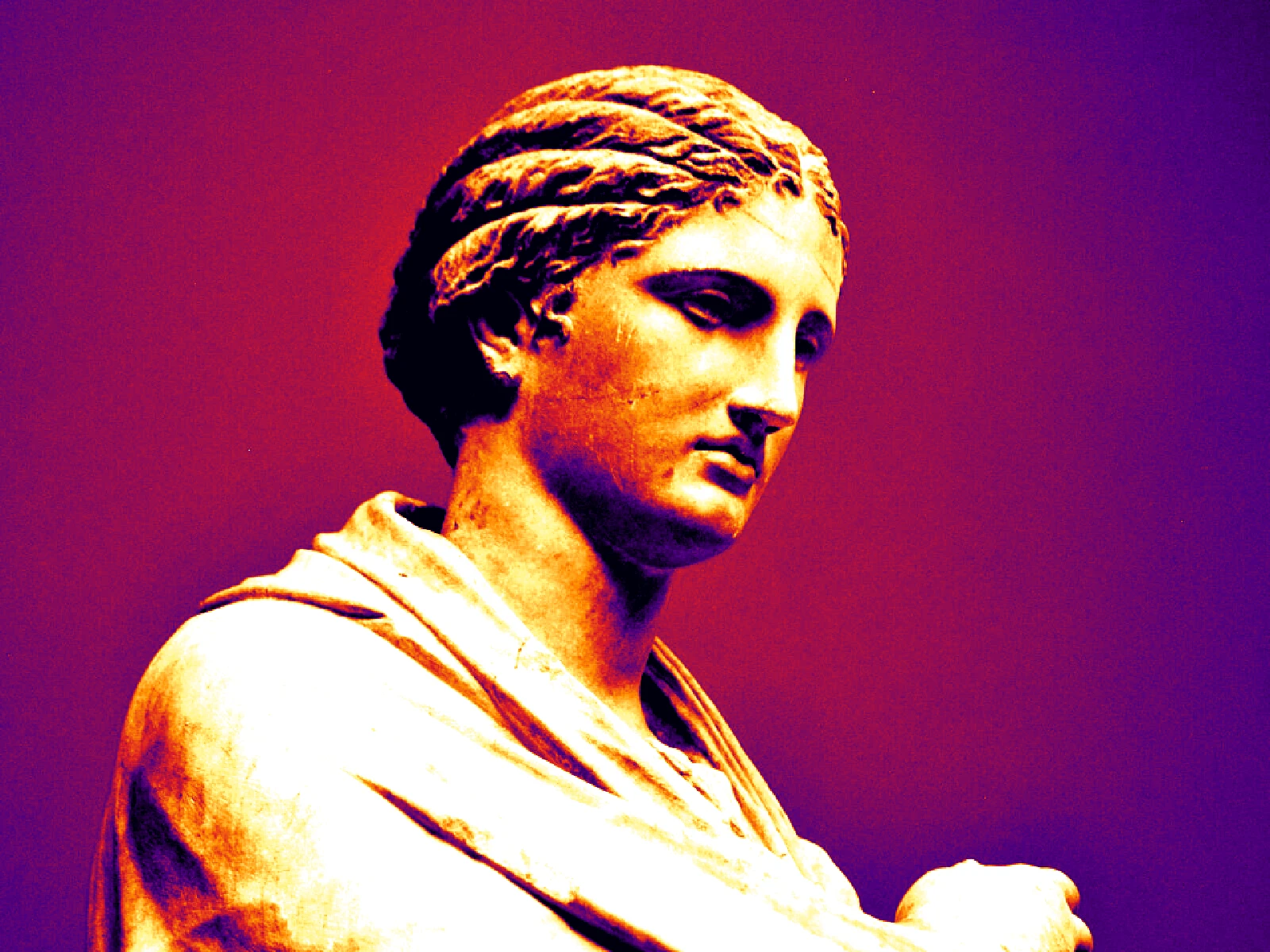
CONTRAST sweep
03/ SPEC
This effect maps image luminance onto a false-colour thermal ramp, running from cold blues through reds to white at the hot end, and discards the source colour entirely since a real thermal sensor has none to record. CONTRAST runs from 0.2 to 3 with a default of 1.2 and is the only control, expanding or compressing tone before the ramp is applied, which determines how much of the frame lands in the hot end of the scale. Low values keep most of the image cool and even, and high values push highlights to white. In kott the ramp is evaluated per pixel, so gradients across the scale stay smooth.
04/ FAQ
- What is a thermal camera effect?
- A thermal camera effect maps image brightness onto a false-colour heat scale, from cold blues through red to white. It imitates infrared imaging, which records intensity and no colour at all.
- Are thermal image colours real?
- No. Infrared carries no colour information, so every thermal image is false colour applied by convention. The familiar blue-to-white scale is an engineering choice, not a measurement.
- Why does my thermal effect look flat?
- A low-contrast source lands most of the frame in one part of the ramp. Raise CONTRAST above the 1.2 default to spread tone across more of the scale.