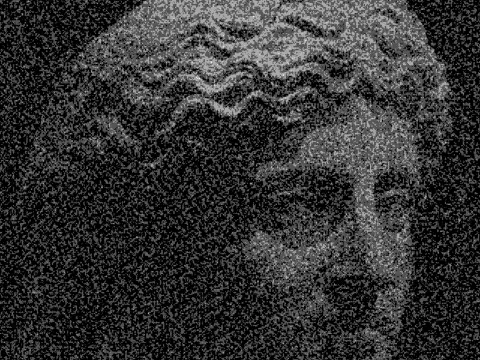
xerox effect
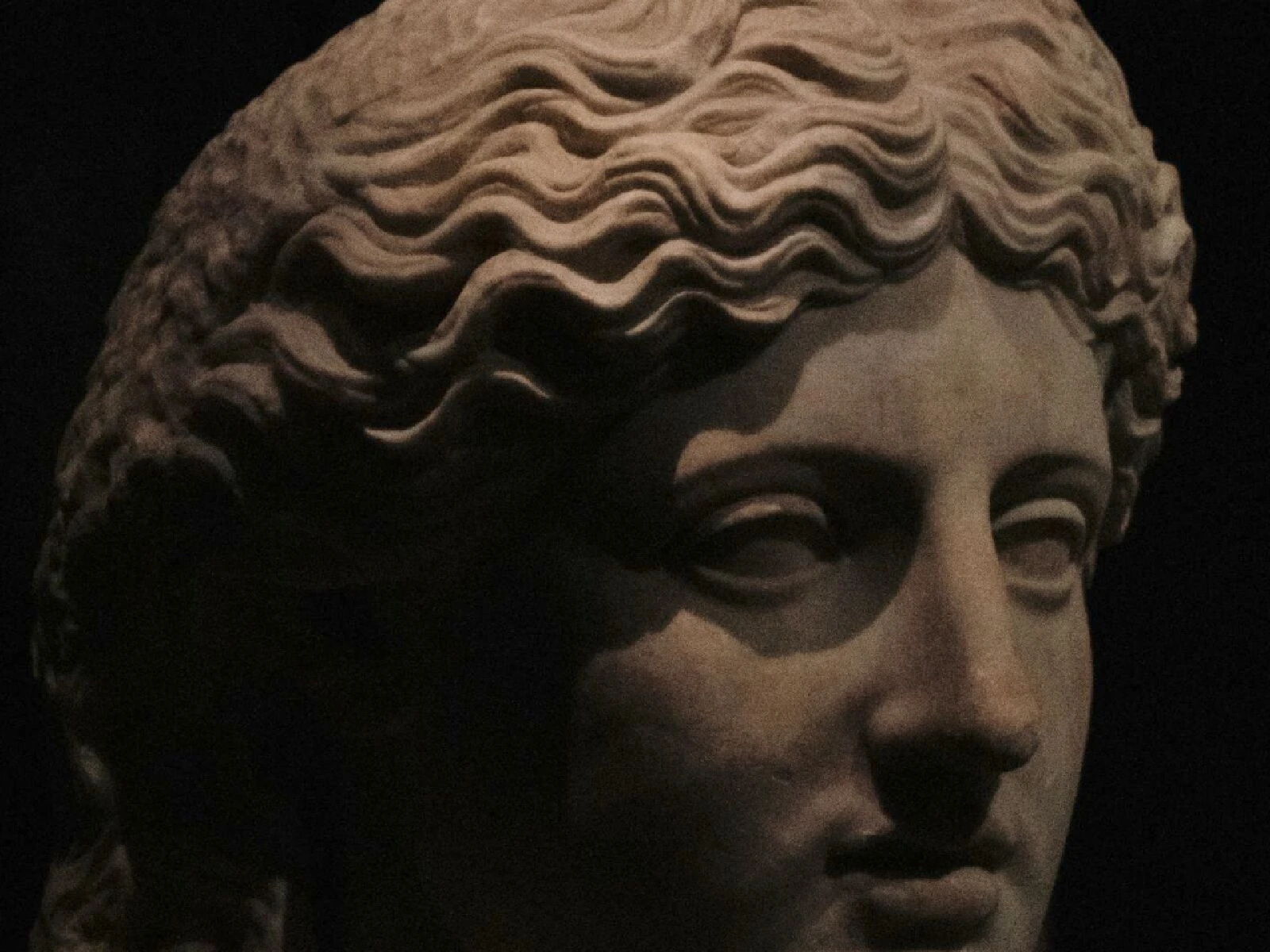
 SourceEffect
01/ ORIGIN
Chester Carlson worked out xerography in 1938 and could not sell it to anyone for years; the Xerox 914 finally reached offices in 1959 and became one of the most profitable machines ever built. Its tonal behaviour was crude by design: a threshold, not a curve. Punk and zine culture ran on exactly that crudeness through the 1970s and 1980s, because a copier was the only press an unfunded person could reach, and copying a copy degraded the image in a way that came to signal who had made it.
02/ SWEEP
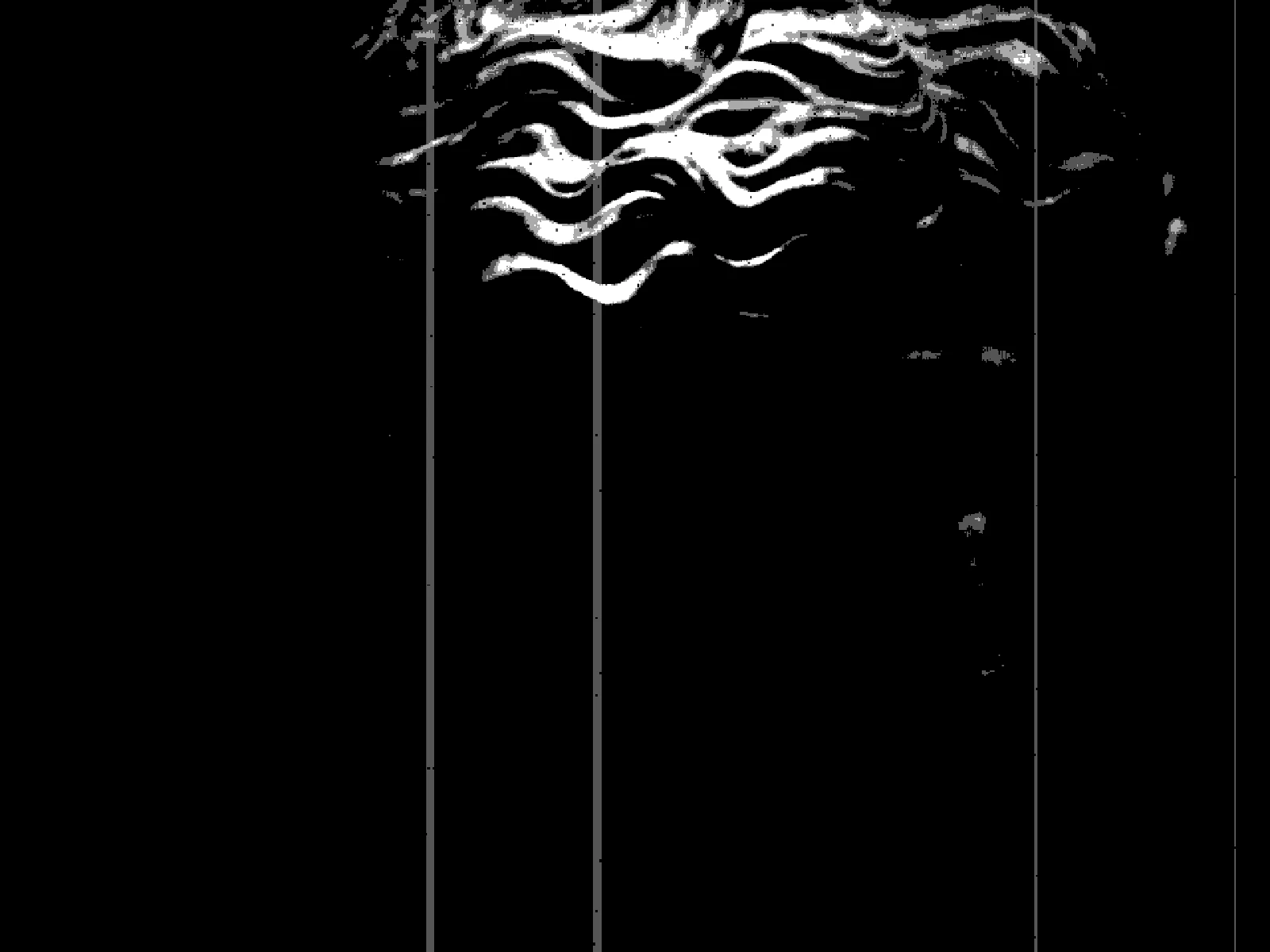
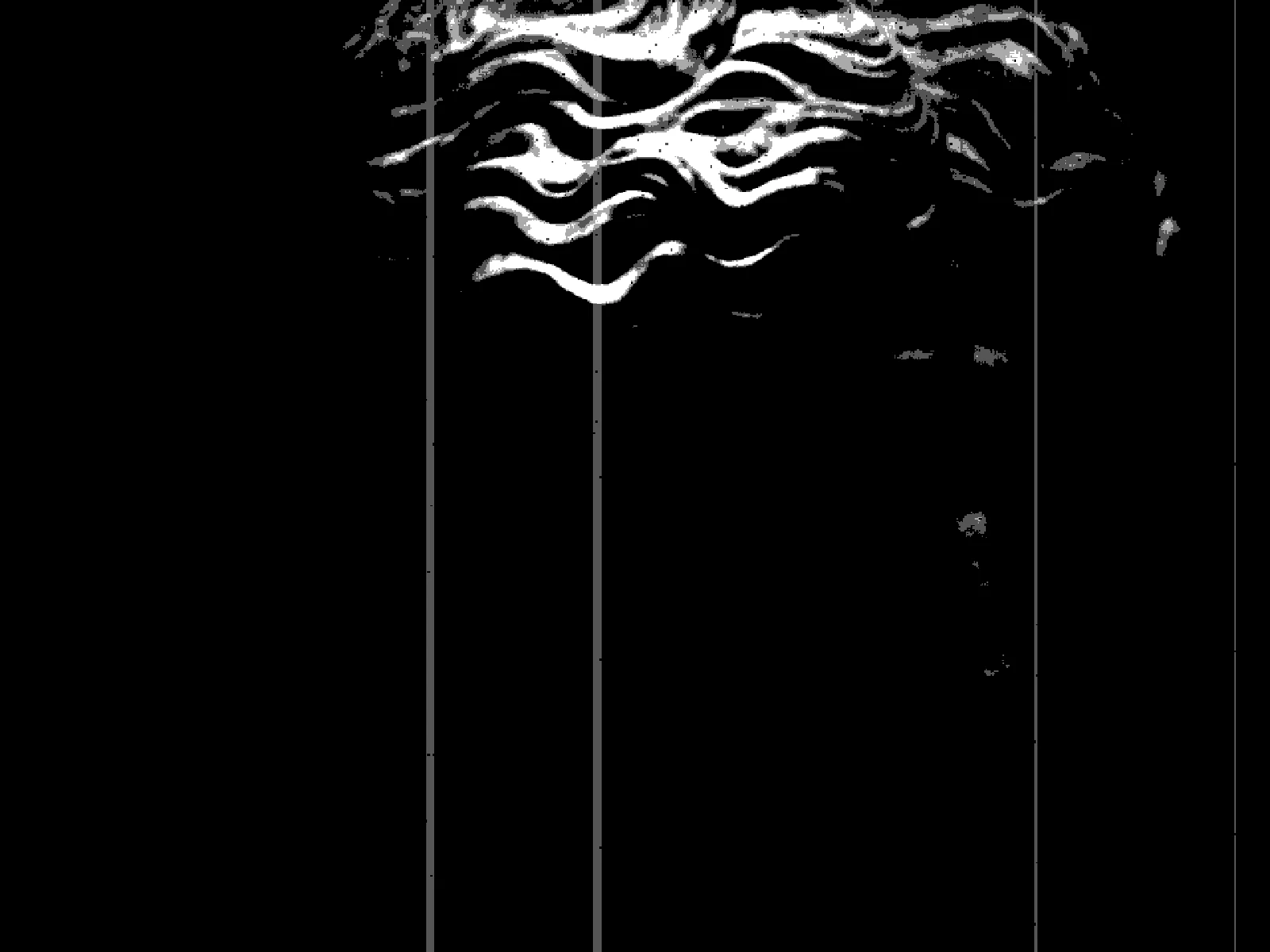
THRESHOLD sweep
03/ SPEC
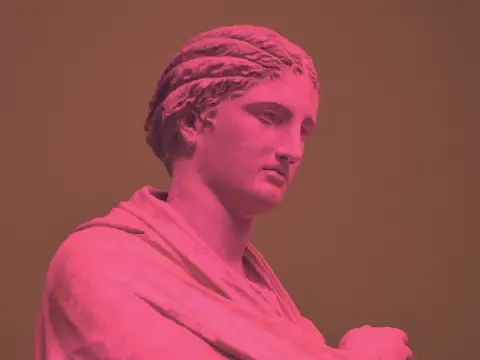
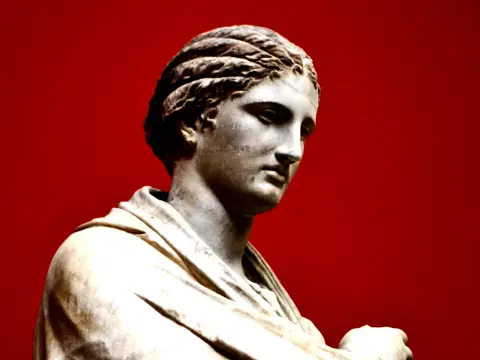
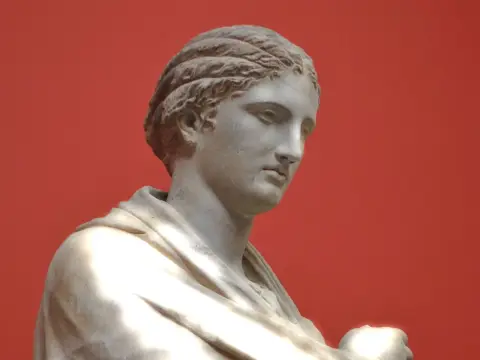
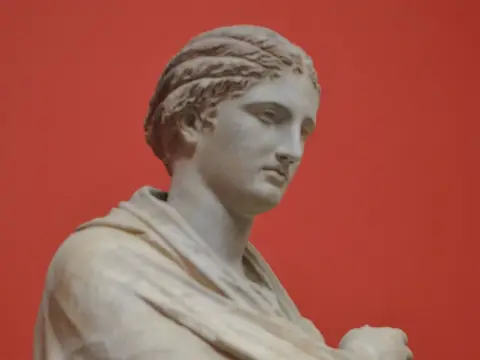
This effect thresholds the image to hard black and white with edge irregularity, imitating an electrostatic copier rather than a smooth tonal reduction. THRESHOLD runs from 0 to 1 with a default of 0.5 and sets the cutoff between black and white, which is the only real decision a copier makes and therefore the control that determines what survives. SKEW is an advanced control introducing the slight geometric drift of a sheet pulled through rollers. In kott it renders on the grey base, since a photocopy has no colour to preserve.
04/ FAQ
- What is a xerox effect?
- A xerox effect thresholds an image to hard black and white with irregular edges, imitating how an electrostatic photocopier reproduces tone by decision rather than by gradient.
- Why do photocopies lose detail when copied repeatedly?
- Each generation applies a threshold to the previous one, so anything near the cutoff flips fully to black or white and cannot come back. Errors accumulate rather than average out.
- What THRESHOLD should I use?
- Start at the default of 0.5 and adjust toward whichever end your source leans. A low-key image needs a lower threshold or it crushes almost entirely to black.