comic book effect
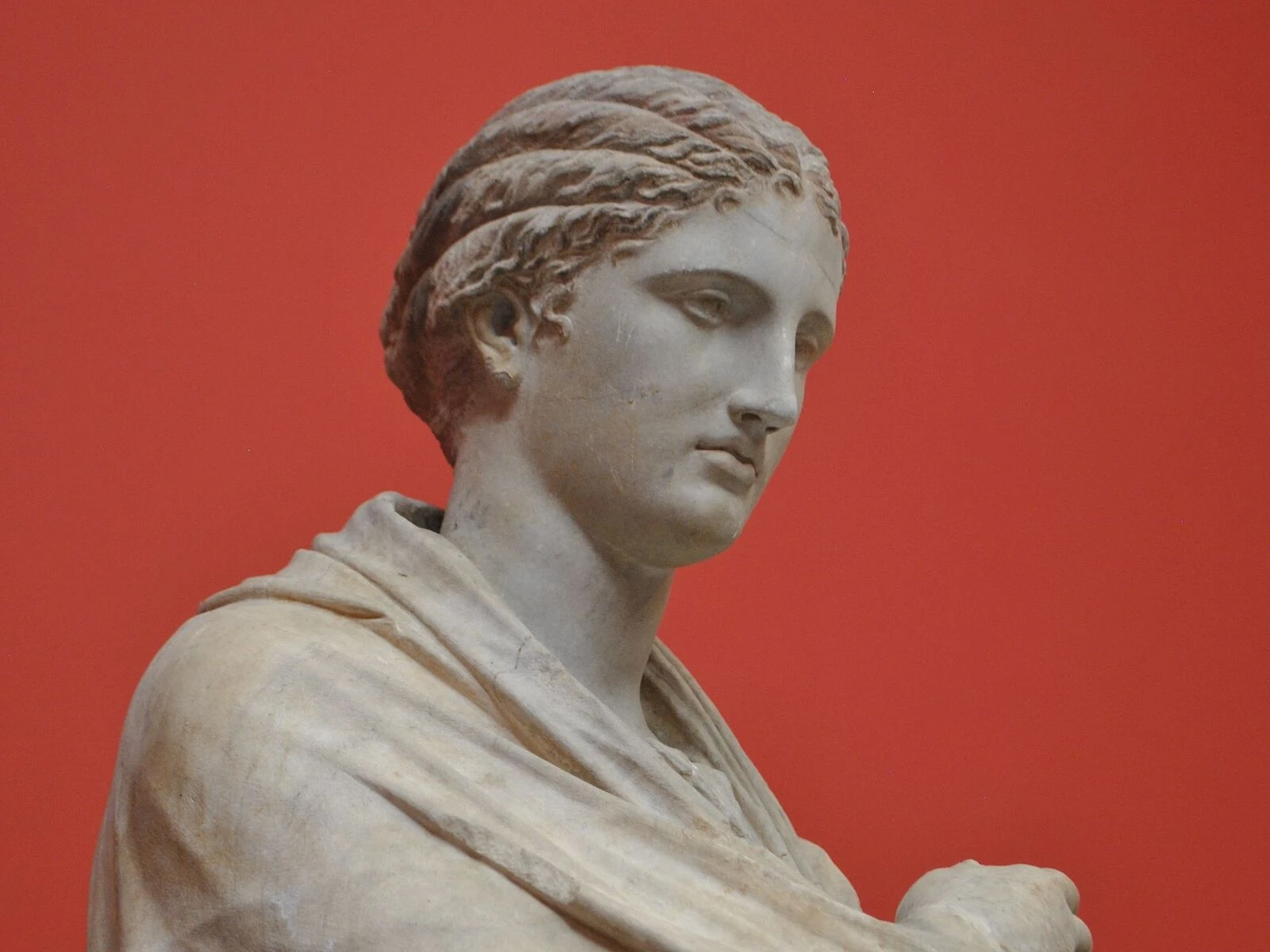
 SourceEffect
01/ ORIGIN
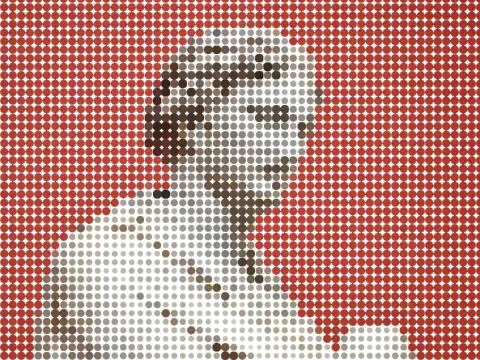
Benjamin Day patented a dot screen in 1879 that let printers fake secondary colours and shading from a handful of inks, and comics ran on it for most of the twentieth century. The dots had to be coarse because the paper was cheap and the presses were fast, so the screen that reads as style today was a tolerance. Readers were never intended to notice it, which is exactly why noticing it now feels like nostalgia.
02/ SWEEP
CELL sweep
03/ SPEC
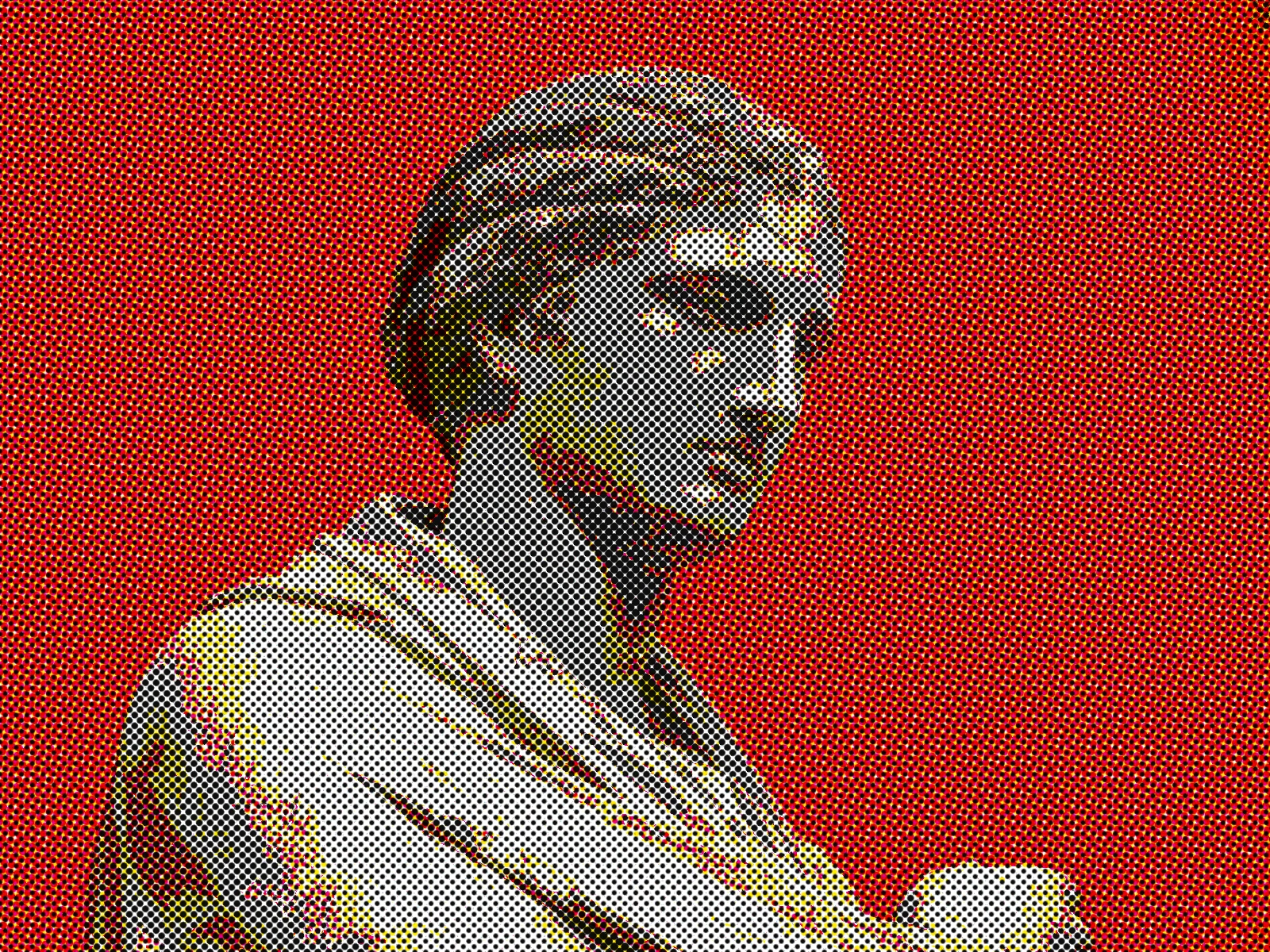
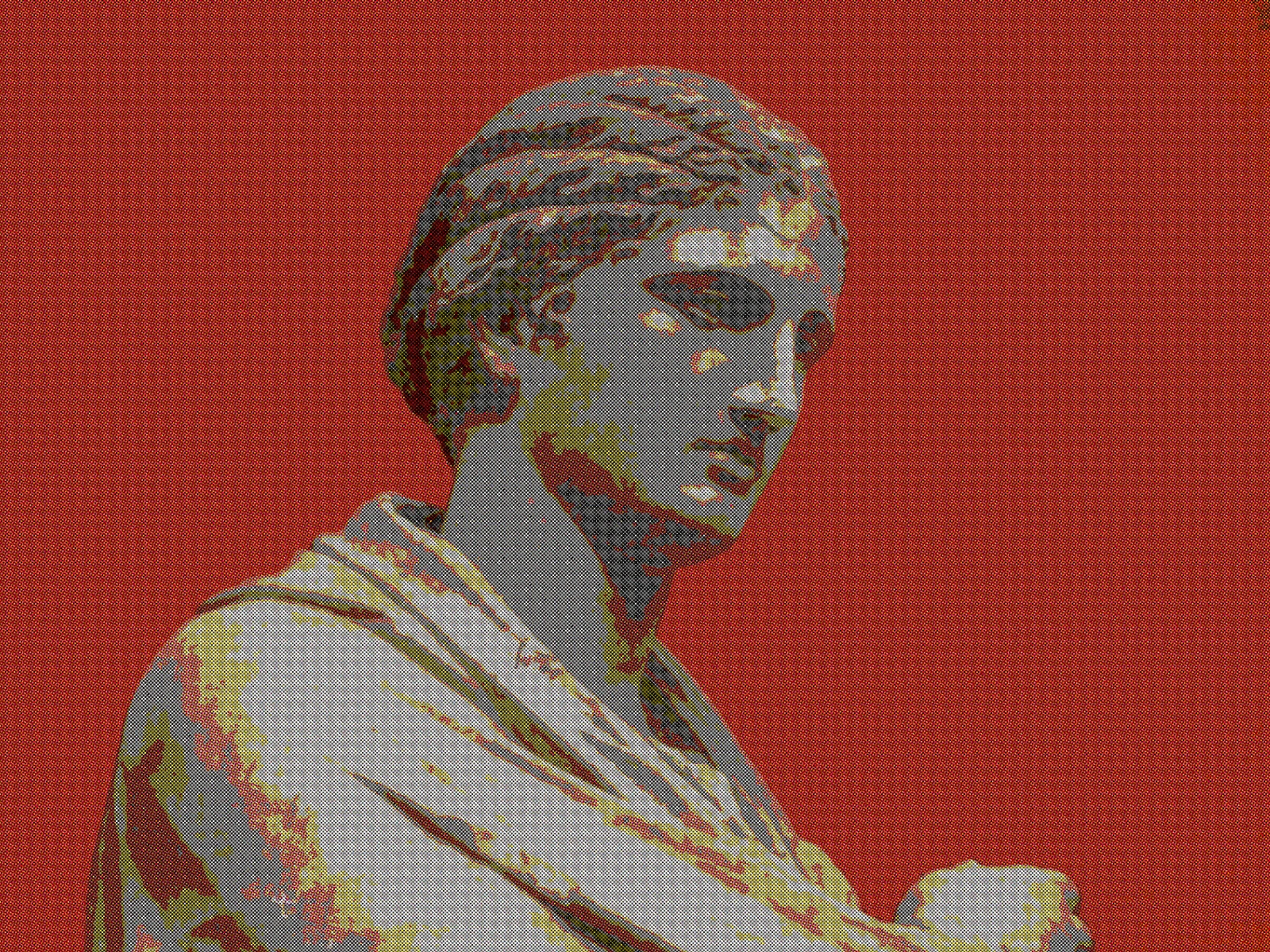
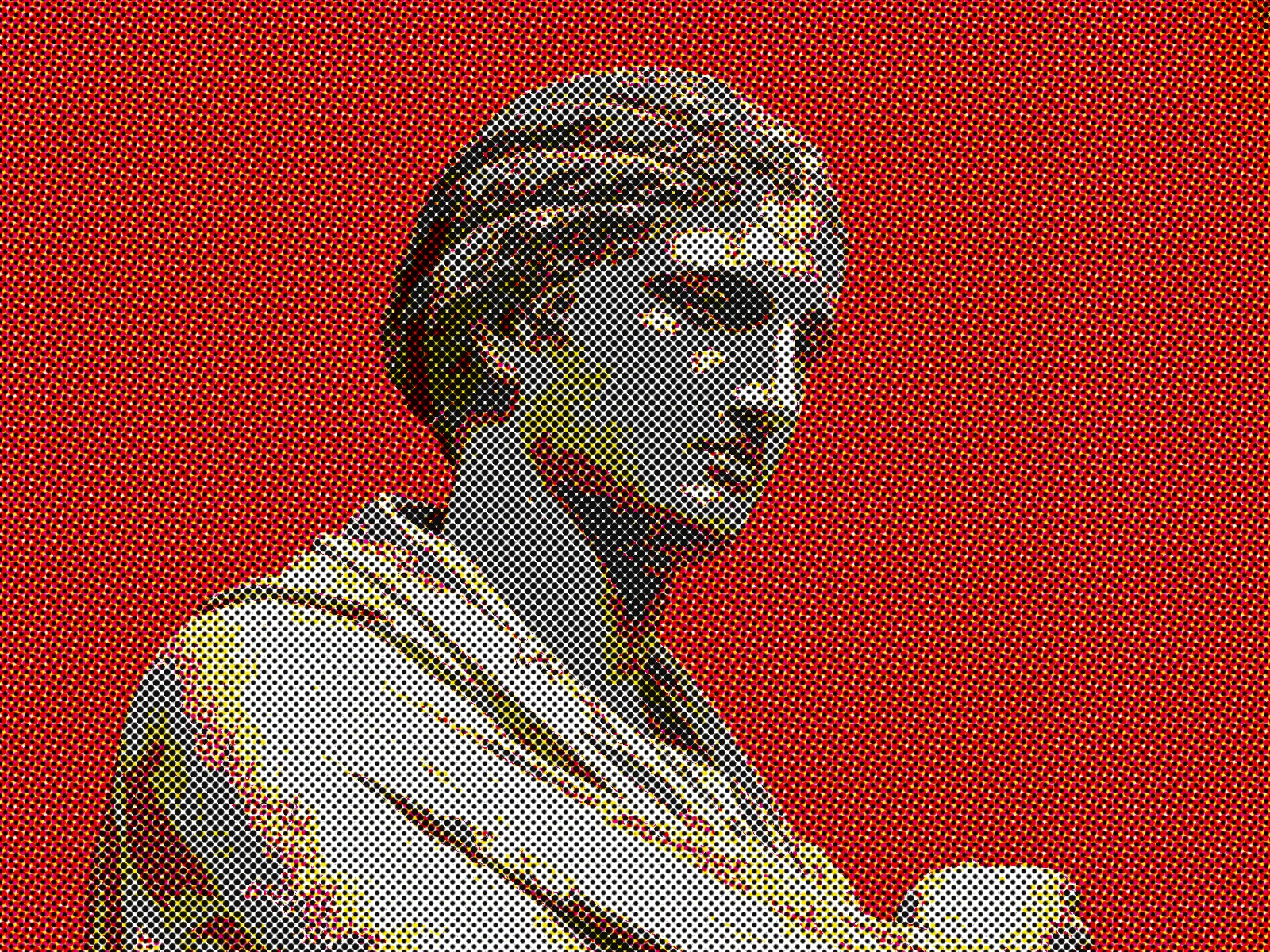
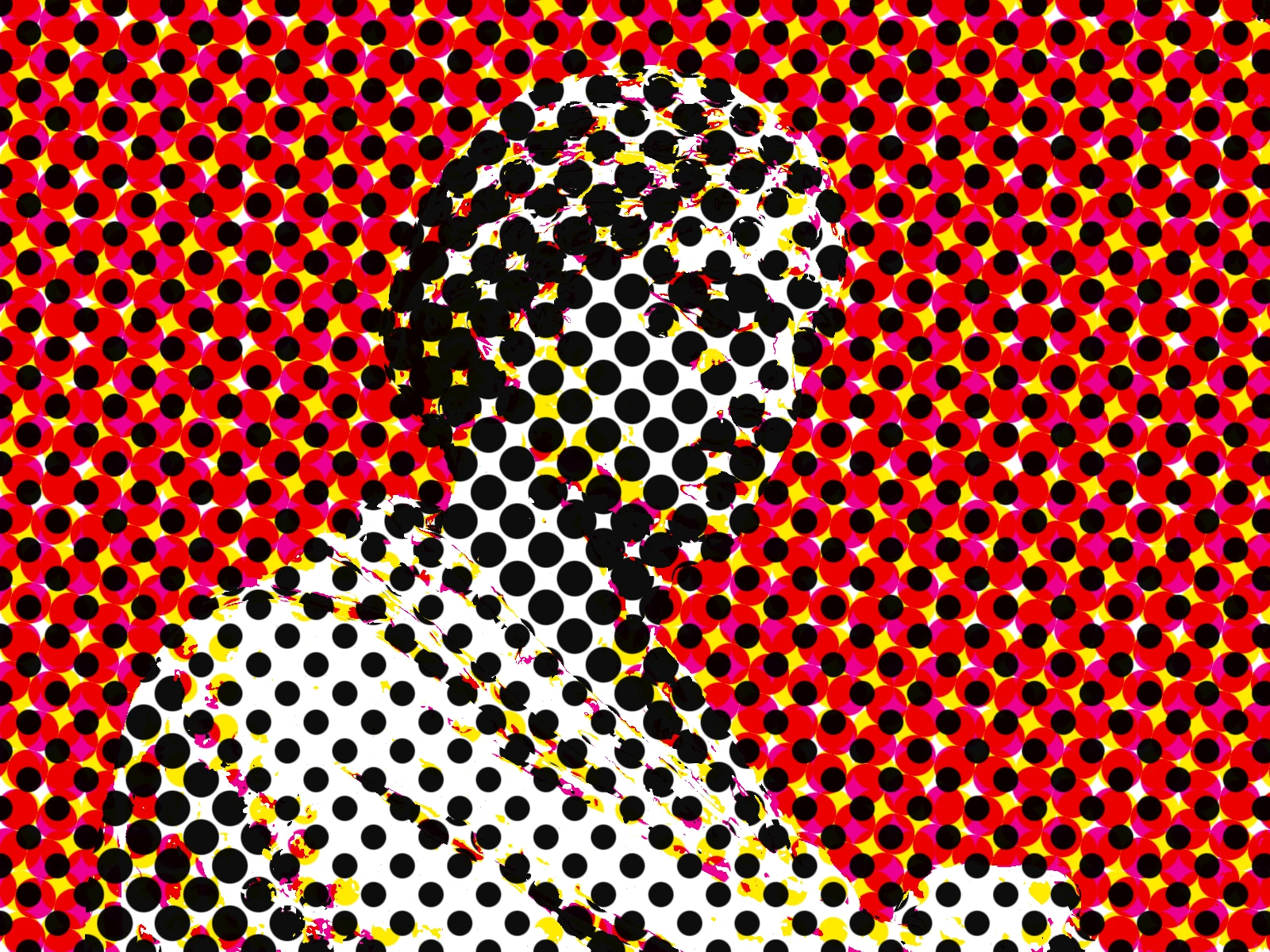
This effect quantises tone into flat colour areas and overlays a coarse dot screen, reproducing Ben-Day printing rather than a fine photographic halftone. CELL runs from 2 to 32 pixels with a default of 6 and sets the dot pitch, which is the control that separates newsprint coarseness from something closer to modern process printing. LEVELS from 3 to 8 sets how many flat colour steps the tone is reduced to before the screen is applied, and CONTRAST expands the range beforehand. In kott it renders in natural colour so the flat areas carry real hue under the dots.
04/ FAQ
- What is a comic book effect?
- A comic book effect flattens tone into a few areas of colour and overlays a coarse dot screen, reproducing the Ben-Day printing process comics used through the twentieth century.
- What are Ben-Day dots?
- A dot screen patented by Benjamin Day in 1879 that let printers produce shading and secondary colours from a few inks. Comics used it because it was cheap and survived fast printing on poor paper.
- What CELL size looks most like a real comic?
- Around the default of 6 on a large export. Comics used coarse screens because the paper demanded it, so a fine screen reads as modern process printing rather than as newsprint.
05/ OUT