pop art effect
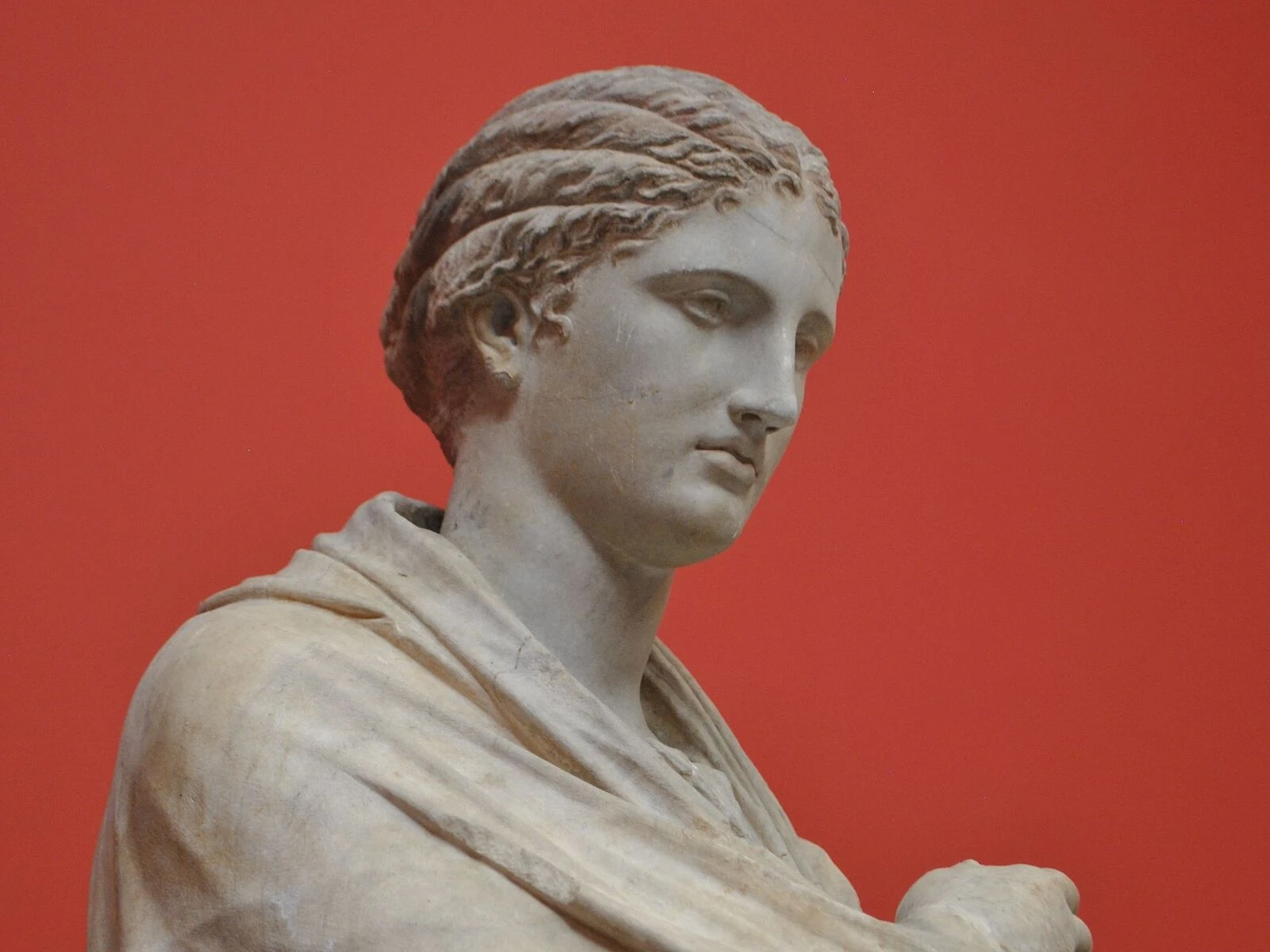
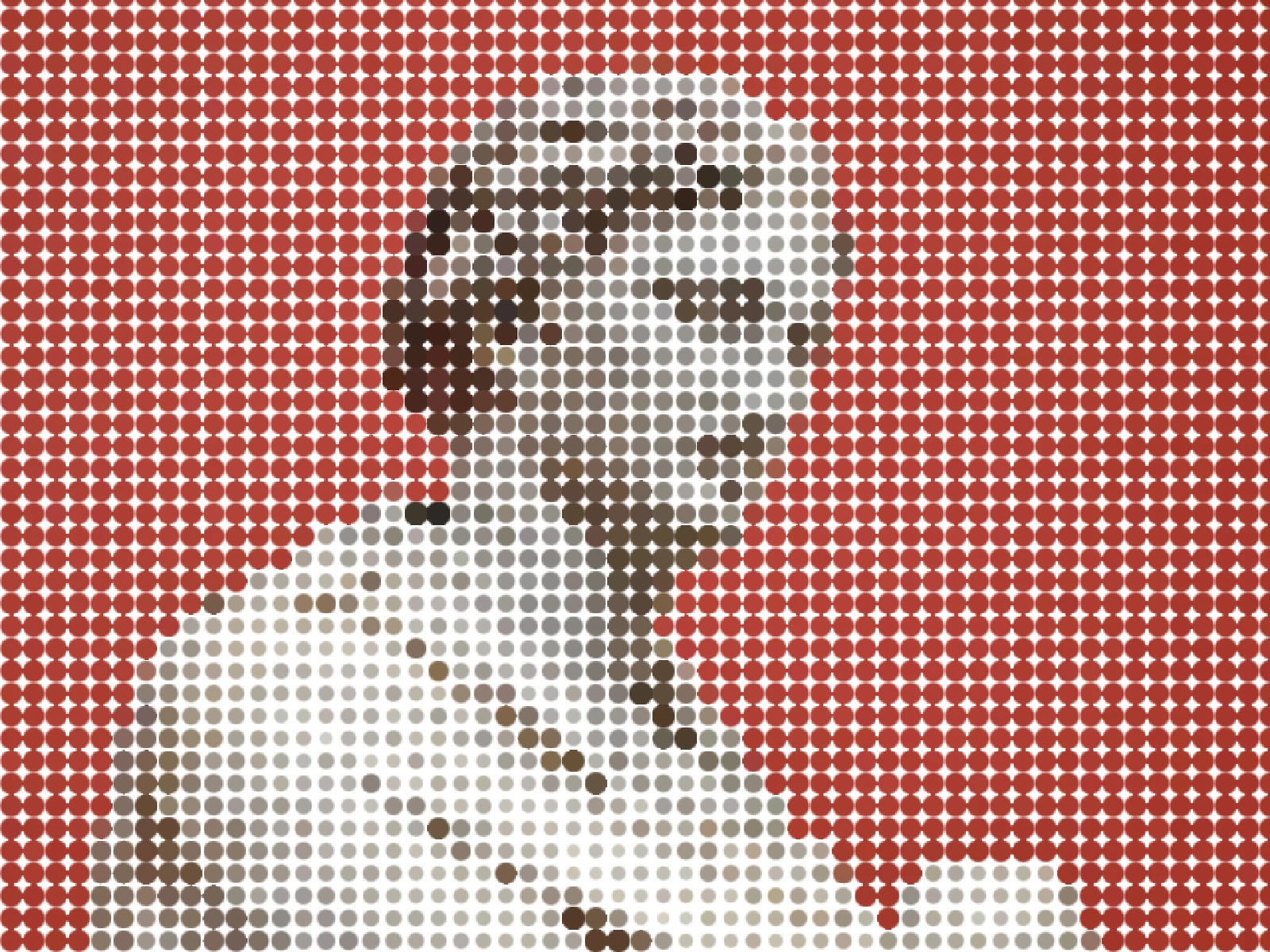 SourceEffect
01/ ORIGIN
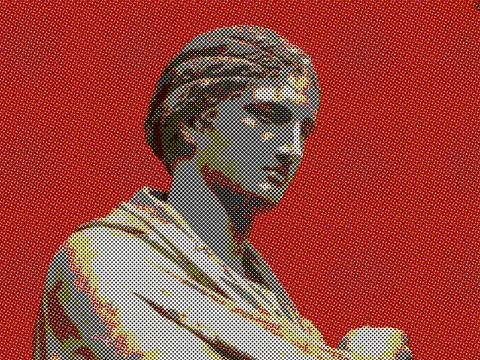
Roy Lichtenstein took the Ben-Day screen that comics used to save money and painted it by hand at enormous scale through the 1960s, so the artifact became the subject and the subject became the pretext. Warhol did something adjacent with screenprinting, keeping the registration errors. Both took a symptom of cheap reproduction and treated it as the content, which is why the look now reads as art rather than as economy.
02/ SWEEP
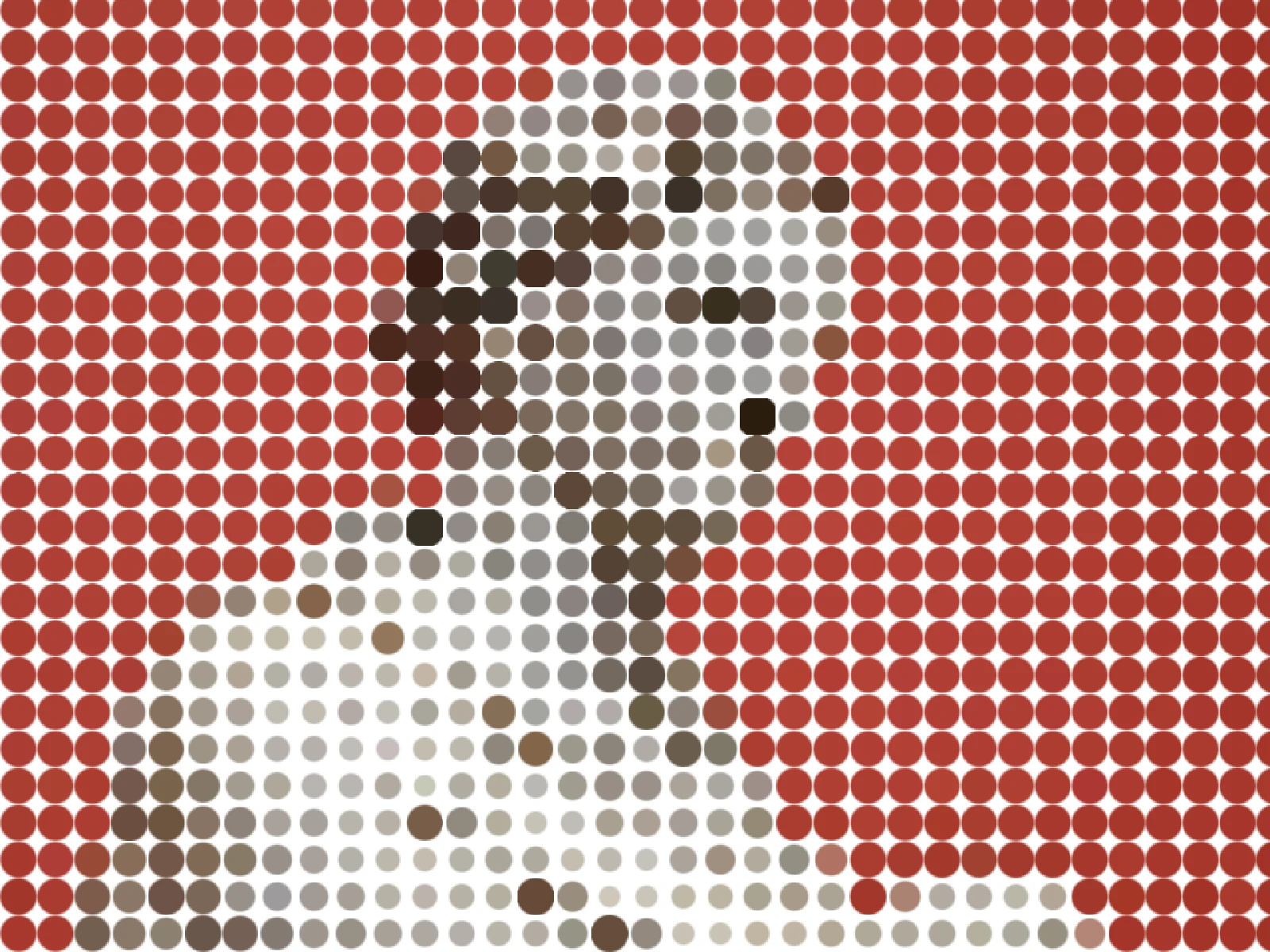
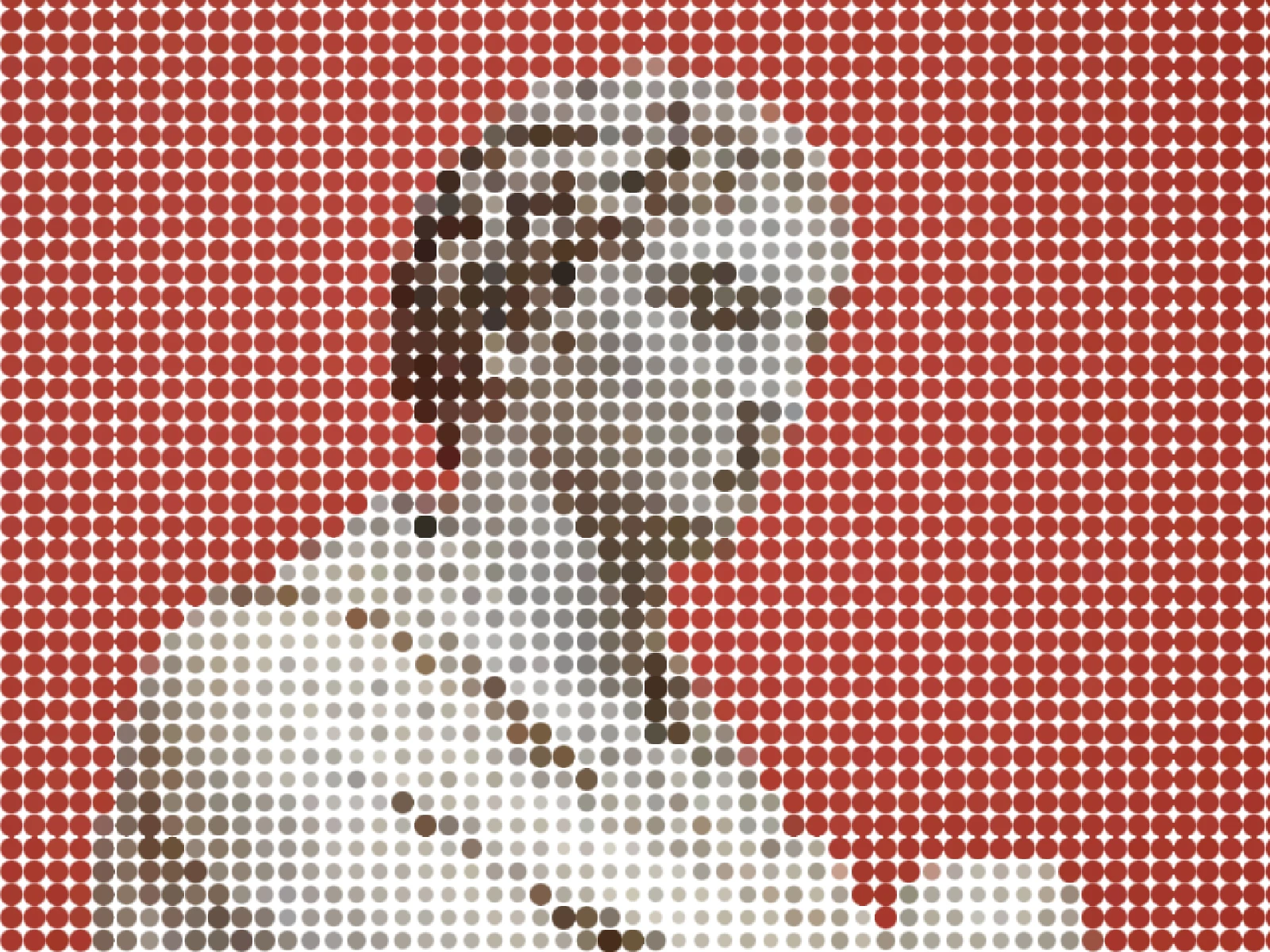
DENSITY sweep
03/ SPEC
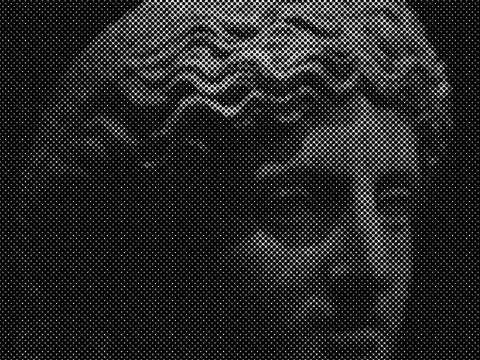
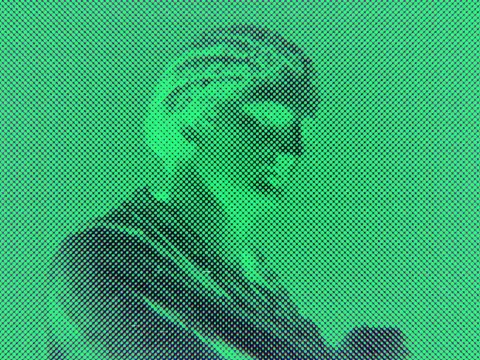
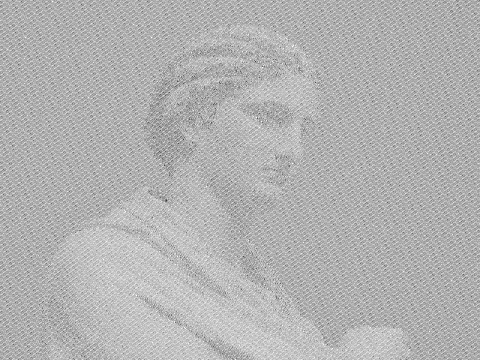
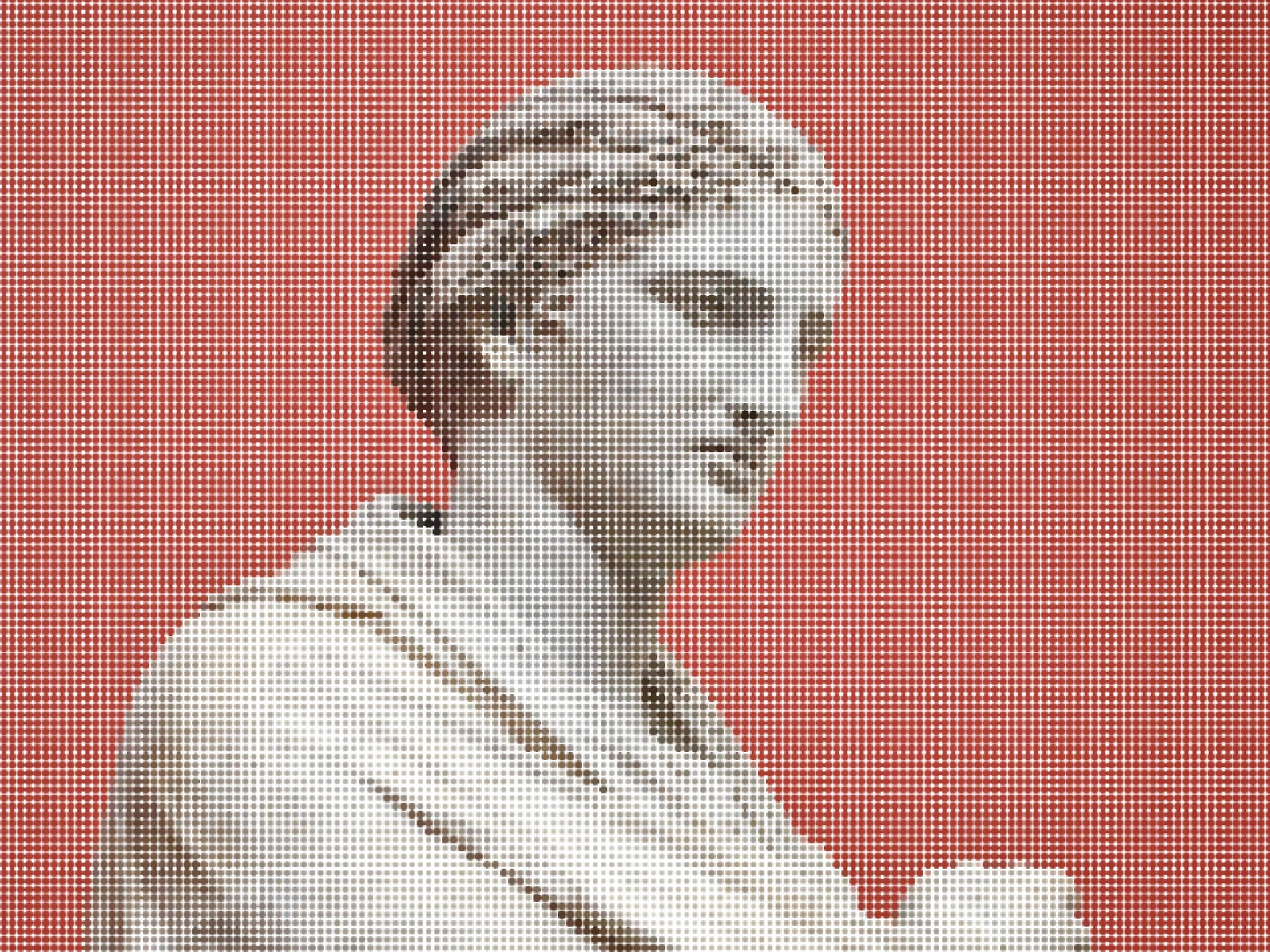
This effect renders the image as a bold enlarged dot screen rather than a fine tonal halftone, with variable dot placement. DENSITY runs from 0 to 99 with a default of 50 and controls how many dots the frame is divided into, which determines whether the result reads as a poster-scale screen or as ordinary printing. VARIATION from 0 to 89 introduces irregularity in dot placement, breaking the mechanical grid the way a hand-painted screen would. In kott it renders in natural colour so the dots carry hue rather than sitting on a grey ramp.
04/ FAQ
- What is a pop art effect?
- A pop art effect enlarges a printing dot screen until the dots become the subject, reproducing what Lichtenstein did by hand-painting Ben-Day dots at gallery scale in the 1960s.
- What is the difference between pop art dots and a comic effect?
- A comic effect reproduces the screen as printing actually used it, coarse but subordinate to the image. Pop art enlarges the same screen until it dominates, which was the point of the appropriation.
- What does VARIATION do?
- It scatters dot placement off the regular grid. A perfectly mechanical screen reads as printing; slight irregularity reads as something made by hand, which is closer to the paintings.
05/ OUT