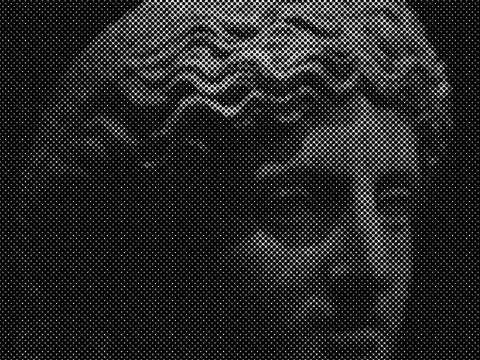
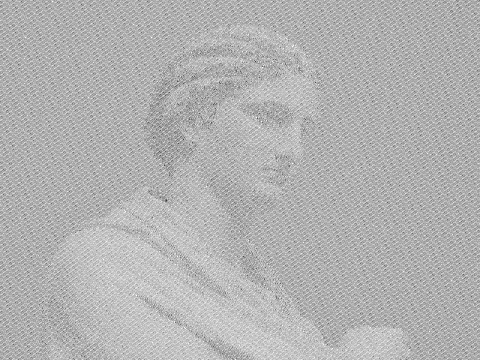
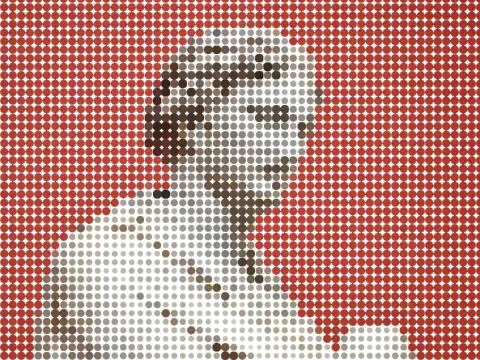
halftone sparkle effect

 SourceEffect
01/ ORIGIN
This one has no historical process behind it, and pretending otherwise would be dishonest. It combines two unrelated things: a rotated print screen, which is nineteenth-century technology, and specular glints, which come from lens filters and from how a camera renders a highlight it cannot hold. Print and sparkle are physically incompatible, since ink is matte. kott ships it as a studio effect built to match a specific look rather than to reproduce a process.
02/ SWEEP
CELL sweep

03/ SPEC
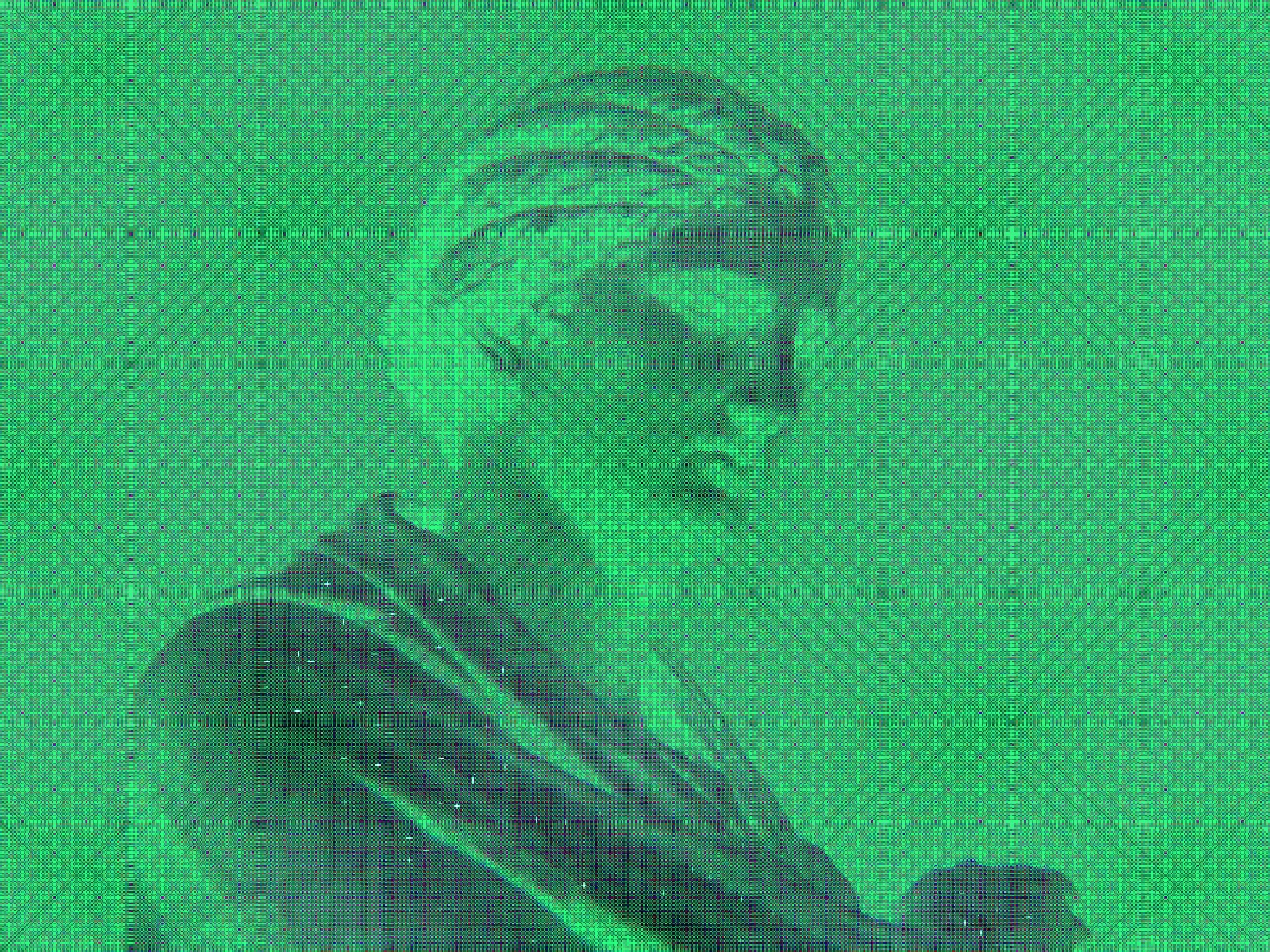
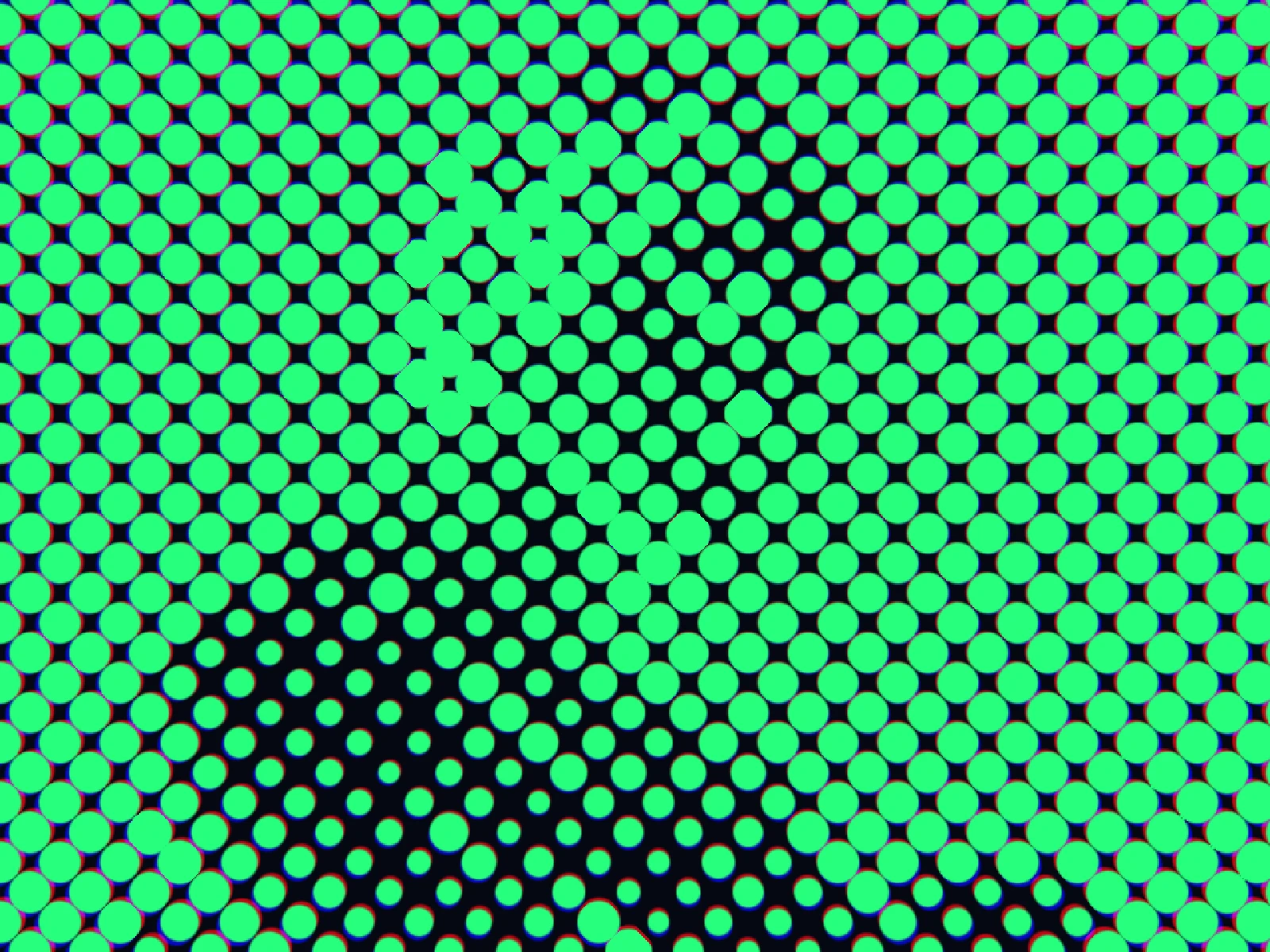
This effect applies a rotated halftone screen and then adds specular glints on the dots that exceed a brightness threshold. CELL runs from 2 to 32 pixels with a default of 8 and sets the screen frequency, exactly as in a plain halftone. SPARK THR decides which dots are bright enough to glint, SPARK DENS how many of them do, and SPARK SIZE how far each glint reaches. ABERRATION offsets colour channels slightly at the glints, and TINT colours them. In kott it renders in natural colour so the glints carry hue.
04/ FAQ
- What is a halftone sparkle effect?
- A halftone sparkle effect applies a rotated print screen and adds specular glints to the brightest dots, combining a printing texture with a lighting artifact that print cannot physically produce.
- Is this based on a real printing process?
- No. Ink is matte, so a real halftone cannot sparkle. It combines a nineteenth-century print screen with specular glints borrowed from lens filters, which is a deliberate impossibility.
- How do I control how many dots sparkle?
- SPARK THR sets how bright a dot must be to glint at all, and SPARK DENS sets what proportion of qualifying dots actually do. Lower the threshold for a busier result.
05/ OUT