drops effect
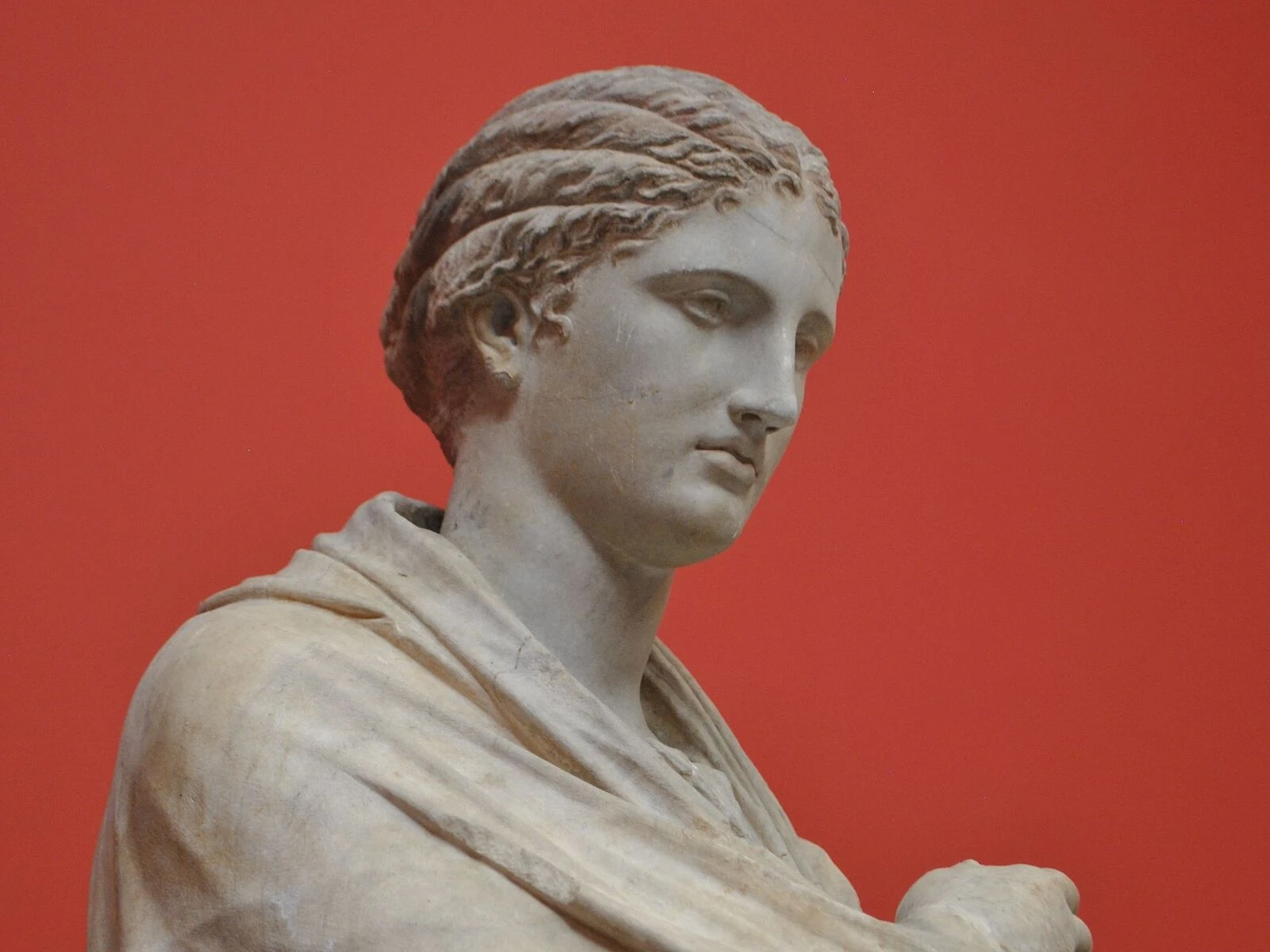
 SourceEffect
01/ ORIGIN
A water droplet on glass is a lens, and a very short one: surface tension pulls it into a curve steep enough to have a focal length of a few millimetres. That is why what you see inside a raindrop is not a blur but a small bright inverted image of whatever is behind it. Photographers have chased the effect for as long as there have been windows, and it is one of the few optical phenomena that is easier to observe than to explain.
02/ SWEEP
DENSITY sweep

03/ SPEC
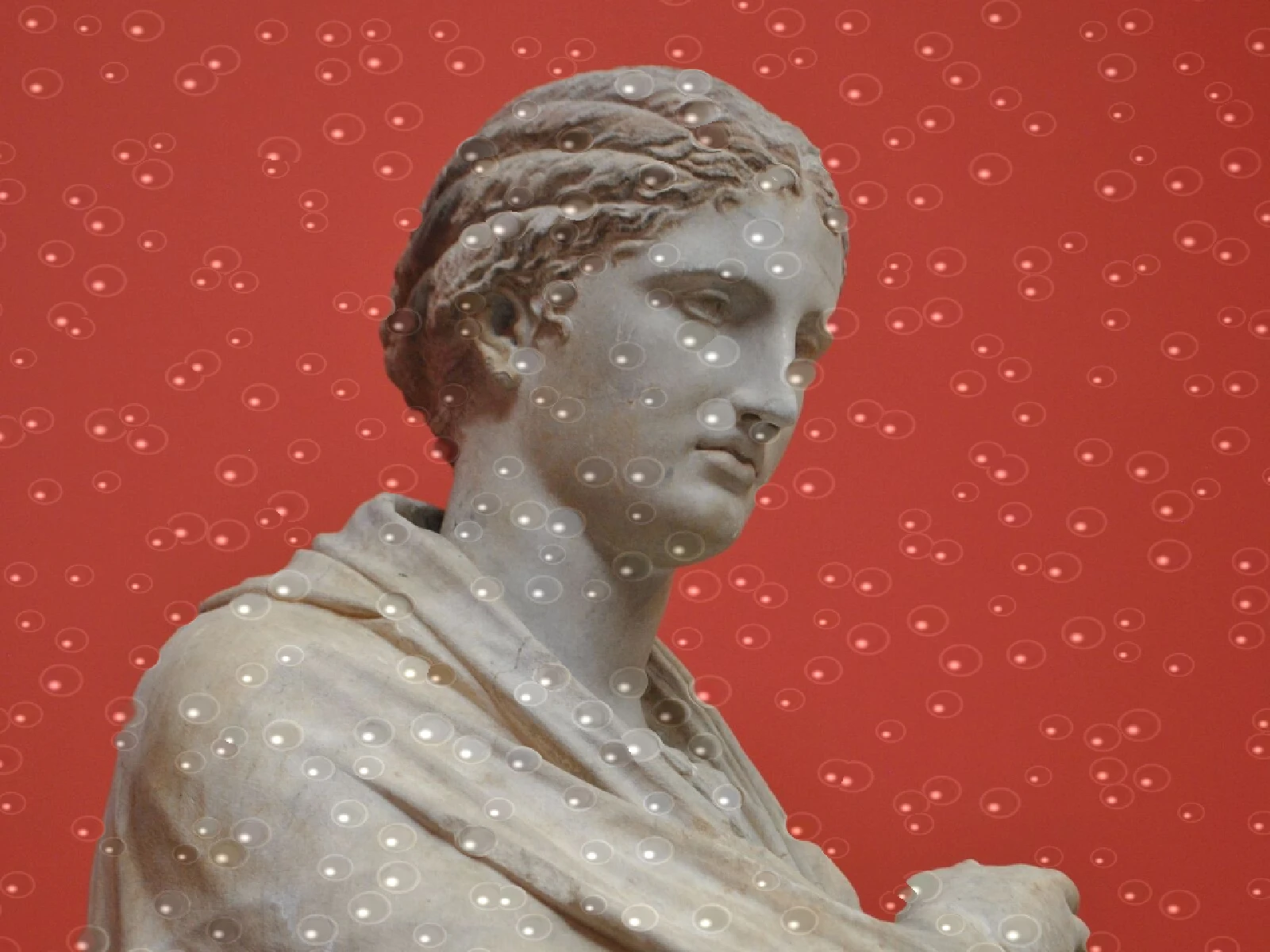
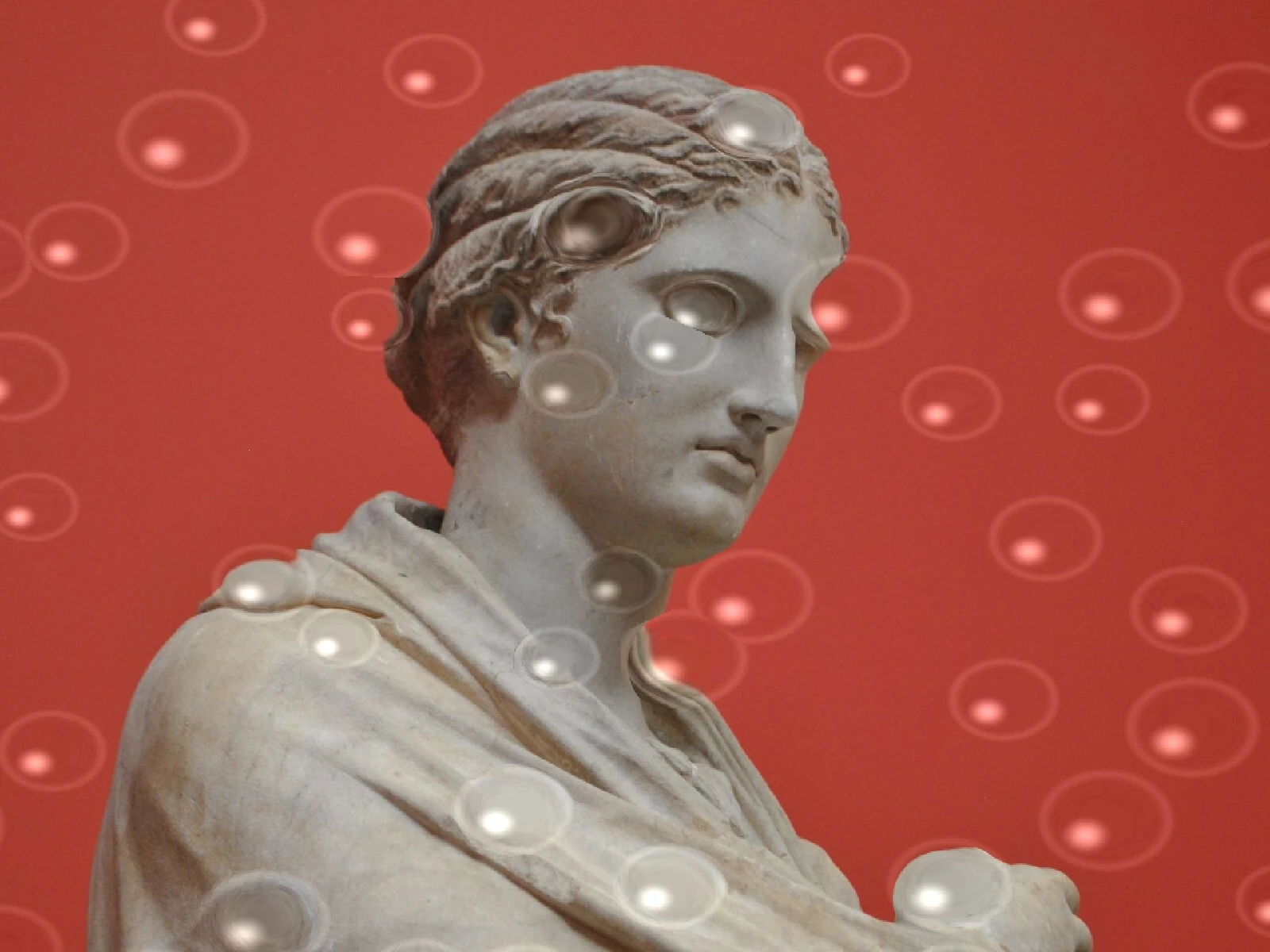
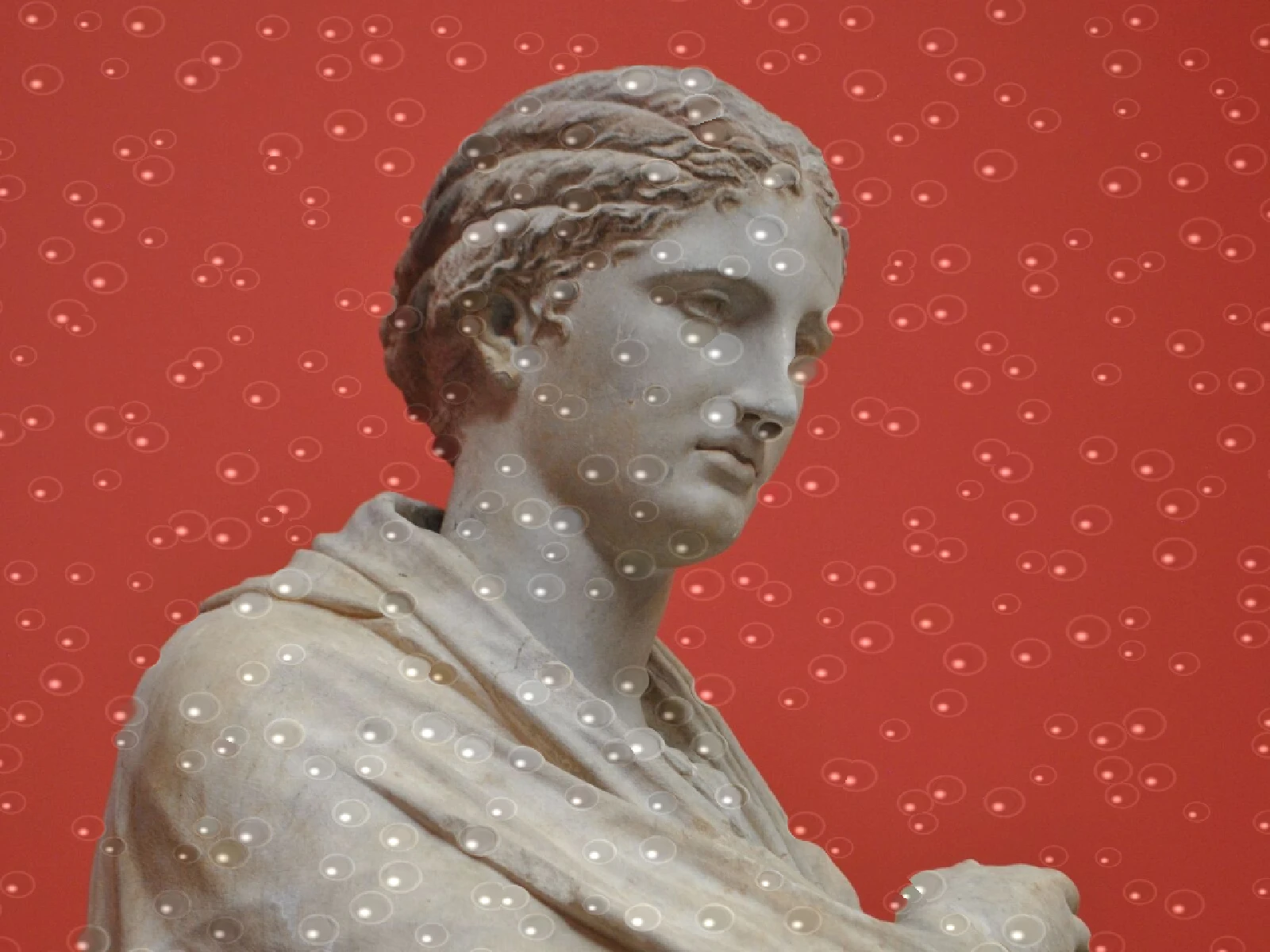
This effect scatters circular regions across the frame and displaces the image inside each one, imitating refraction through droplets rather than adding painted highlights. DENSITY runs from 0 to 1 with a default of 0.5 and sets how many droplets appear, SIZE scales them, and REFRACT controls how strongly each one bends what it carries. Because each drop samples from elsewhere in the frame, in kott the interiors genuinely differ from their surroundings rather than being a lightened copy.
04/ FAQ
- What is a water droplets effect?
- It scatters circular refracting regions across an image, each displacing what it covers, imitating how droplets on glass act as tiny lenses rather than as blurred spots.
- Why does a raindrop show a sharp image inside it?
- Surface tension curves the droplet steeply enough to give it a focal length of a few millimetres, so it behaves as a real lens and carries a small inverted image of what is behind it.
- How do I keep the subject readable?
- Keep DENSITY near or below the 0.5 default and SIZE moderate. High coverage turns the whole frame into refraction and there is no dry area left for the subject to read against.