fisheye effect

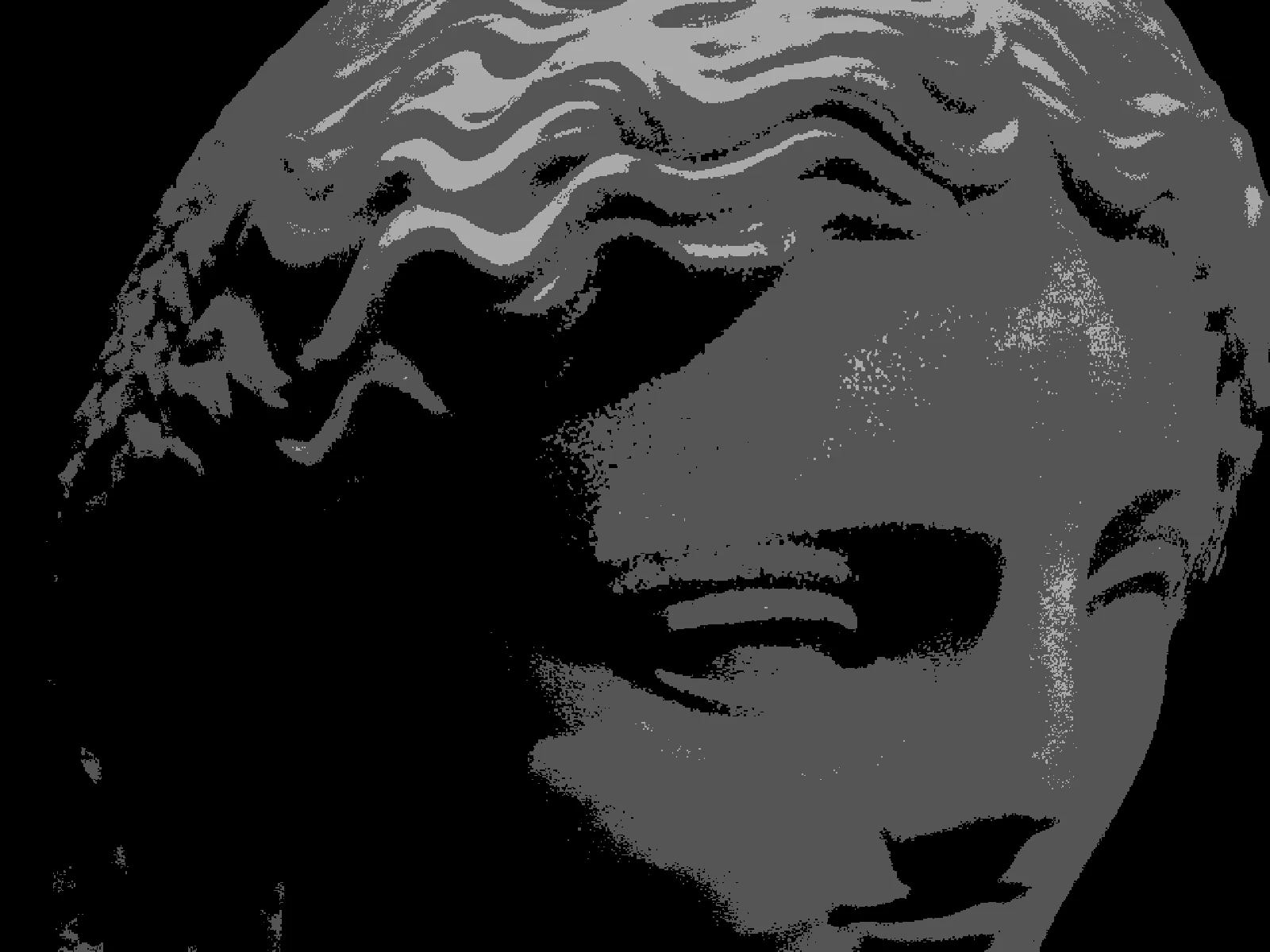 SourceEffect
01/ ORIGIN
Robert Wood described a fish-eye view in 1906, working out what a fish looking up through still water would see and building a camera with a water-filled pinhole to prove it. Practical lenses followed for meteorology and sky photography, where one frame had to hold the whole dome. Nikon's Fisheye-Nikkor of 1962 brought the look to general photography, and skate and music video work later made the distortion a style rather than a survey instrument.
02/ SWEEP
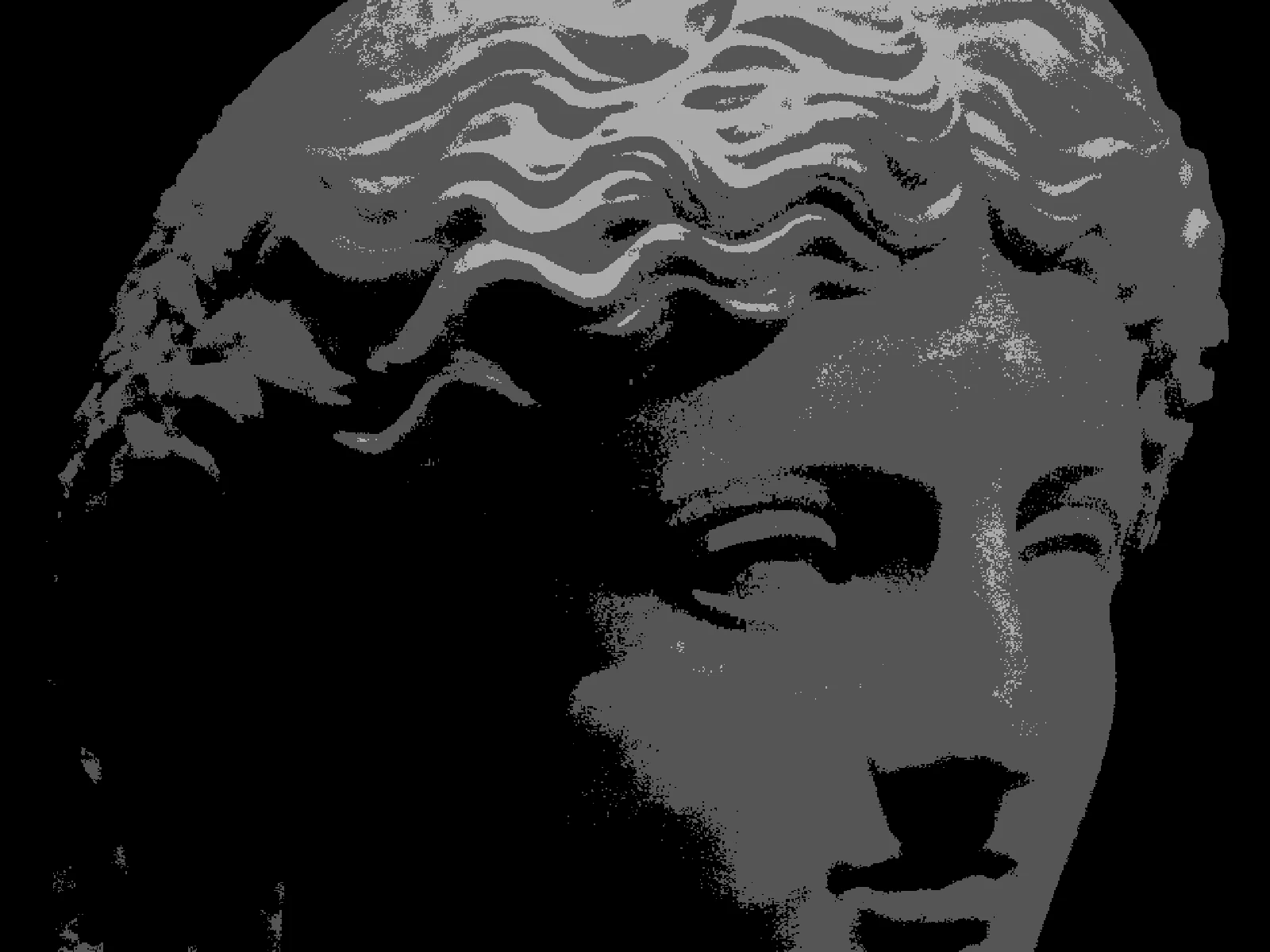
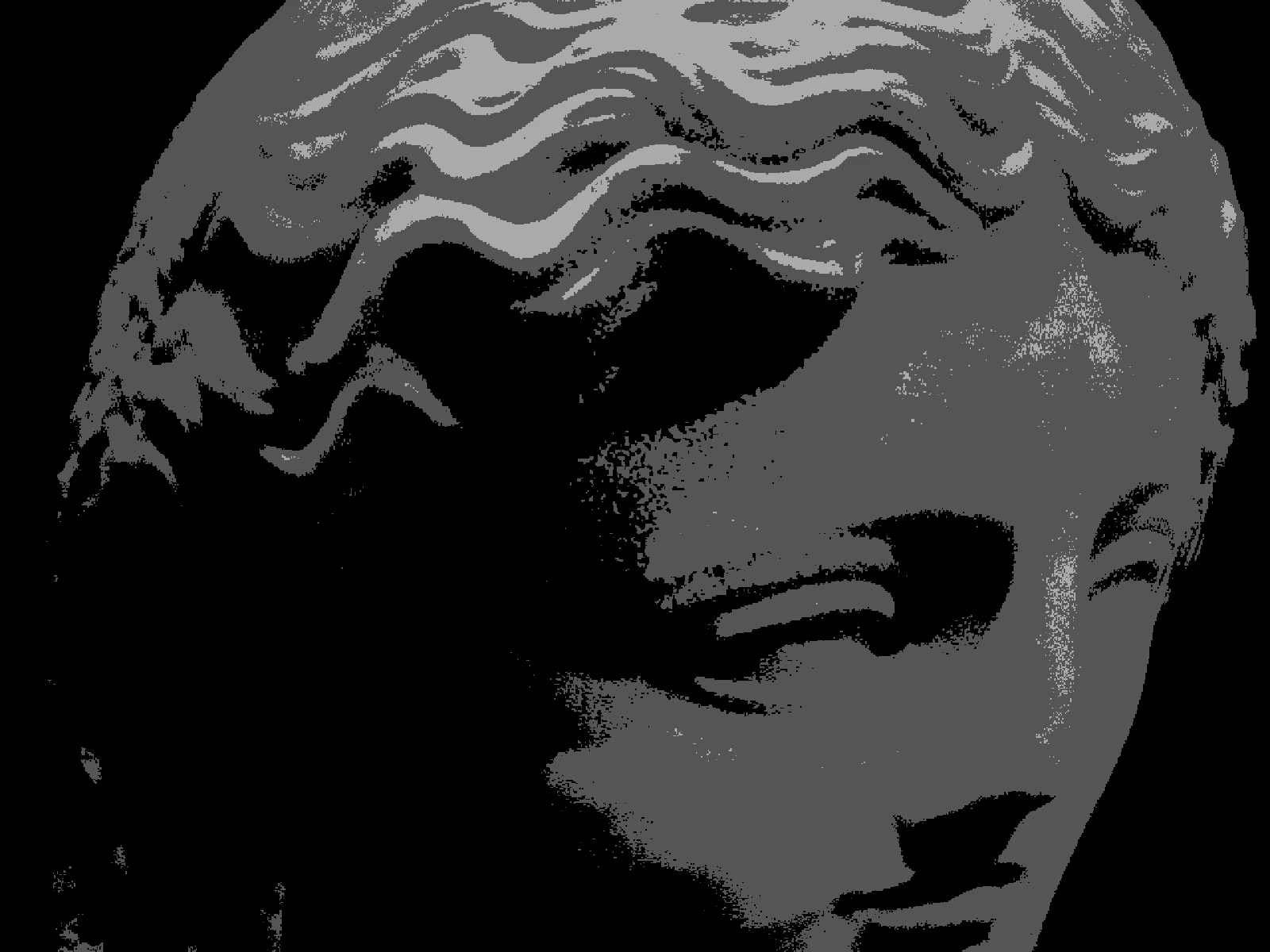
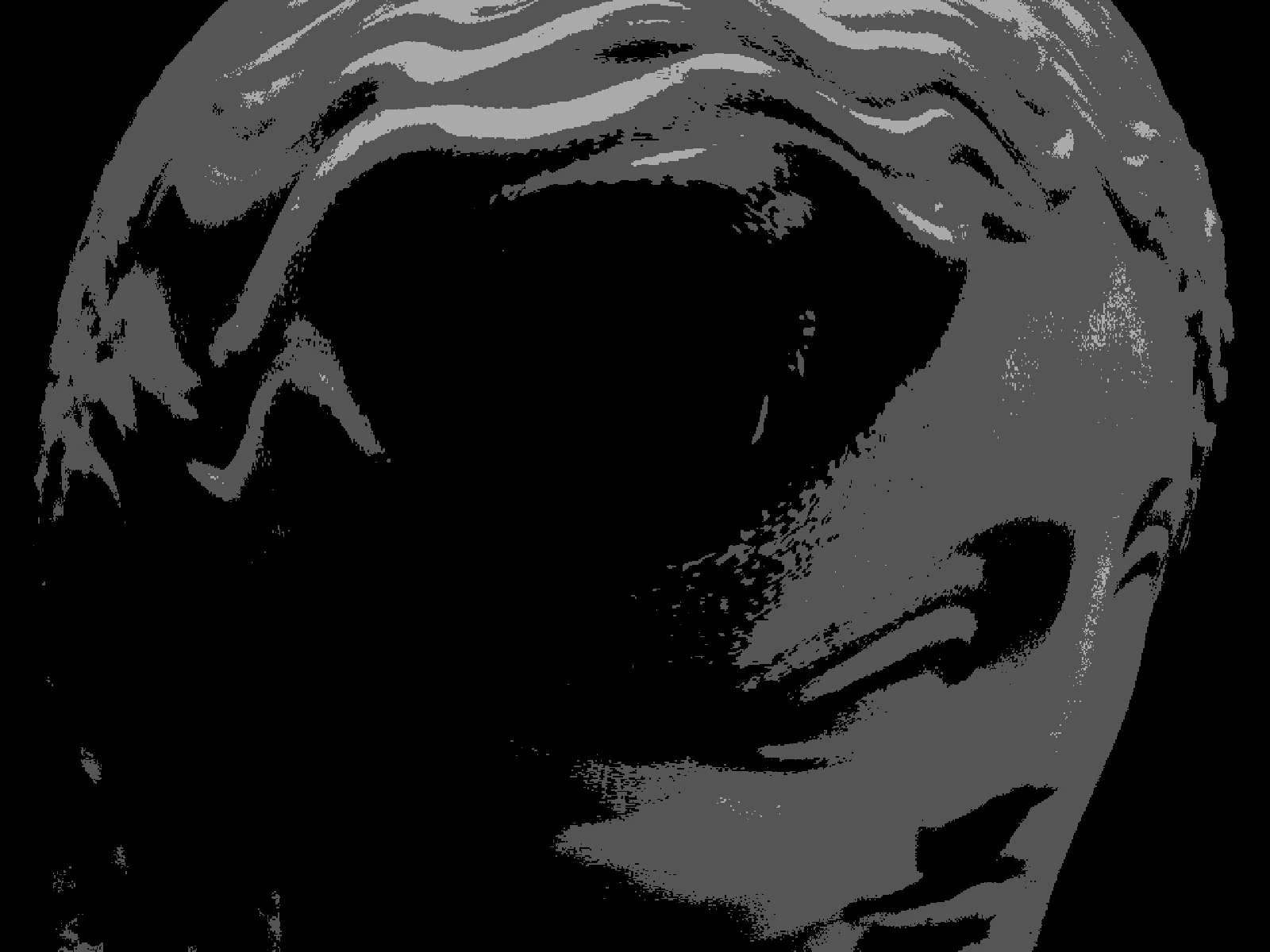
BULGE sweep
03/ SPEC
A fisheye projection remaps the image radially, magnifying the centre and compressing everything toward the frame edge, which is the same trade an ultra-wide lens makes optically. BULGE sets the strength from 0 to 10 with a default of 5, where 0 is a flat pass-through and 10 approaches a full hemisphere. ABERRATION adds wavelength-dependent offset toward the edges, imitating how a real wide lens fails to focus every colour in one plane. RIM is an advanced control for edge falloff. In kott the remap samples the source once per output pixel, so curved lines stay smooth instead of stair-stepping.
04/ FAQ
- What is a fisheye effect?
- A fisheye effect remaps an image radially so the centre is magnified and the edges compress and curve, reproducing what an ultra-wide lens does optically.
- How much BULGE looks like a real fisheye lens?
- Around the default of 5 matches a typical full-frame fisheye. Values above 8 exceed what most lenses produce and start reading as a digital warp rather than as optics.
- Why does the centre of a fisheye look softer?
- BULGE magnifies the middle of the frame, so a small area of the source is spread across many output pixels. Start from the highest resolution source you have.