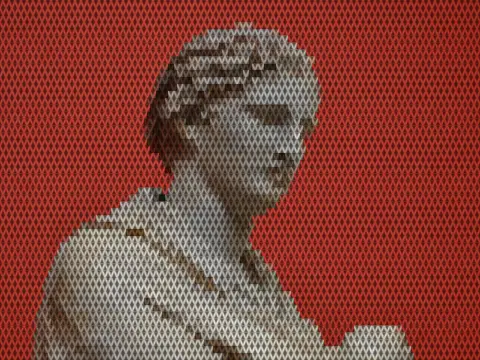
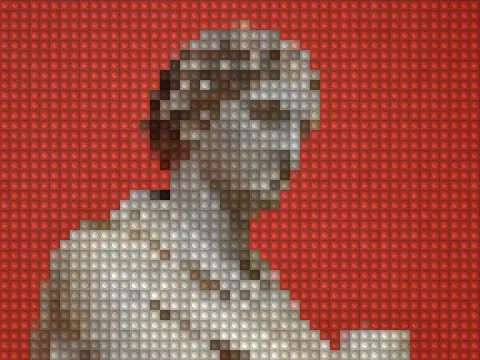
particle effect
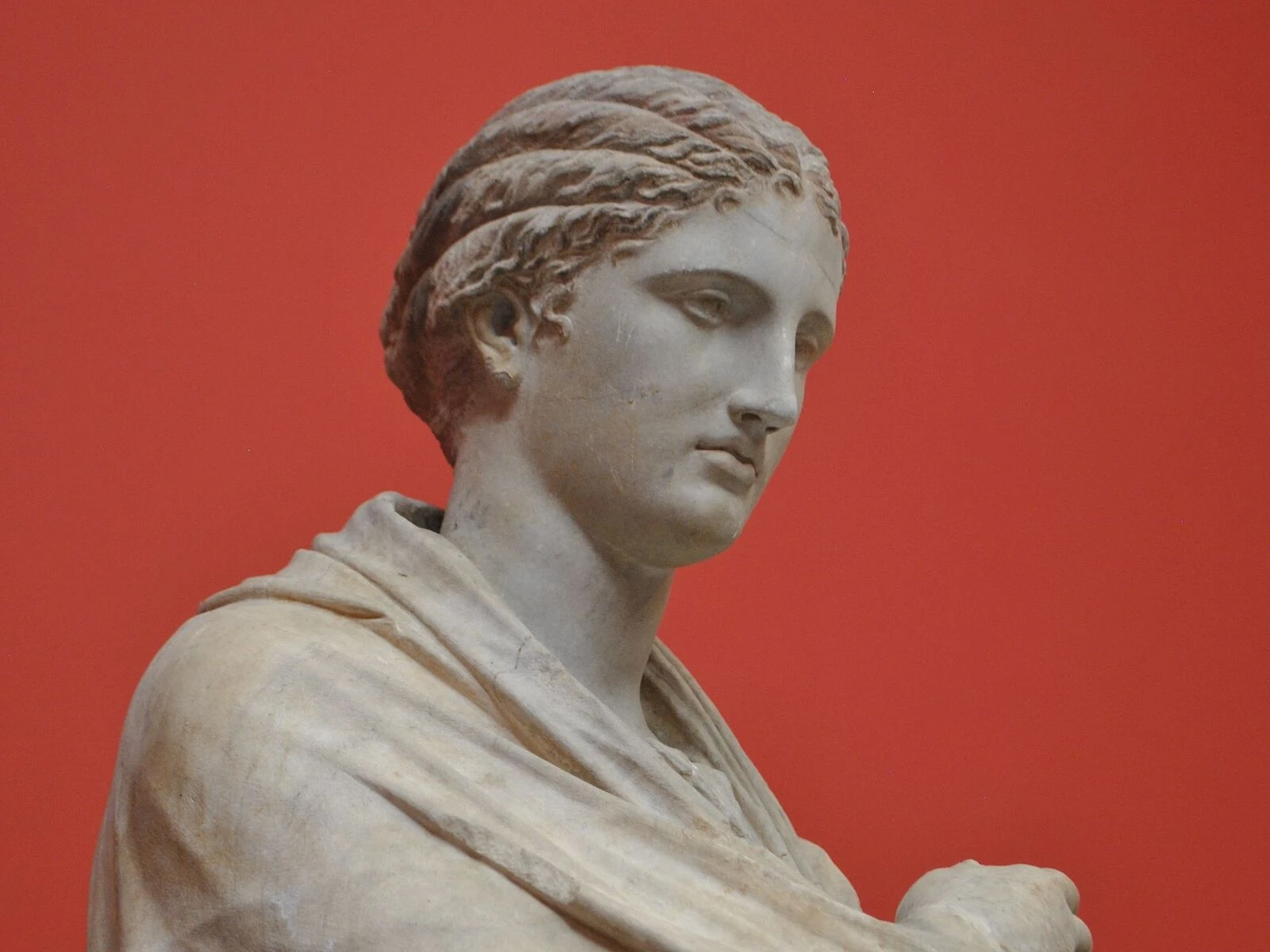
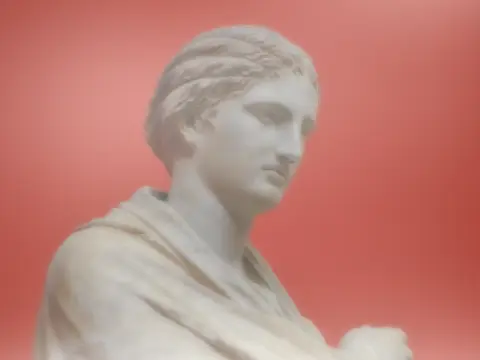
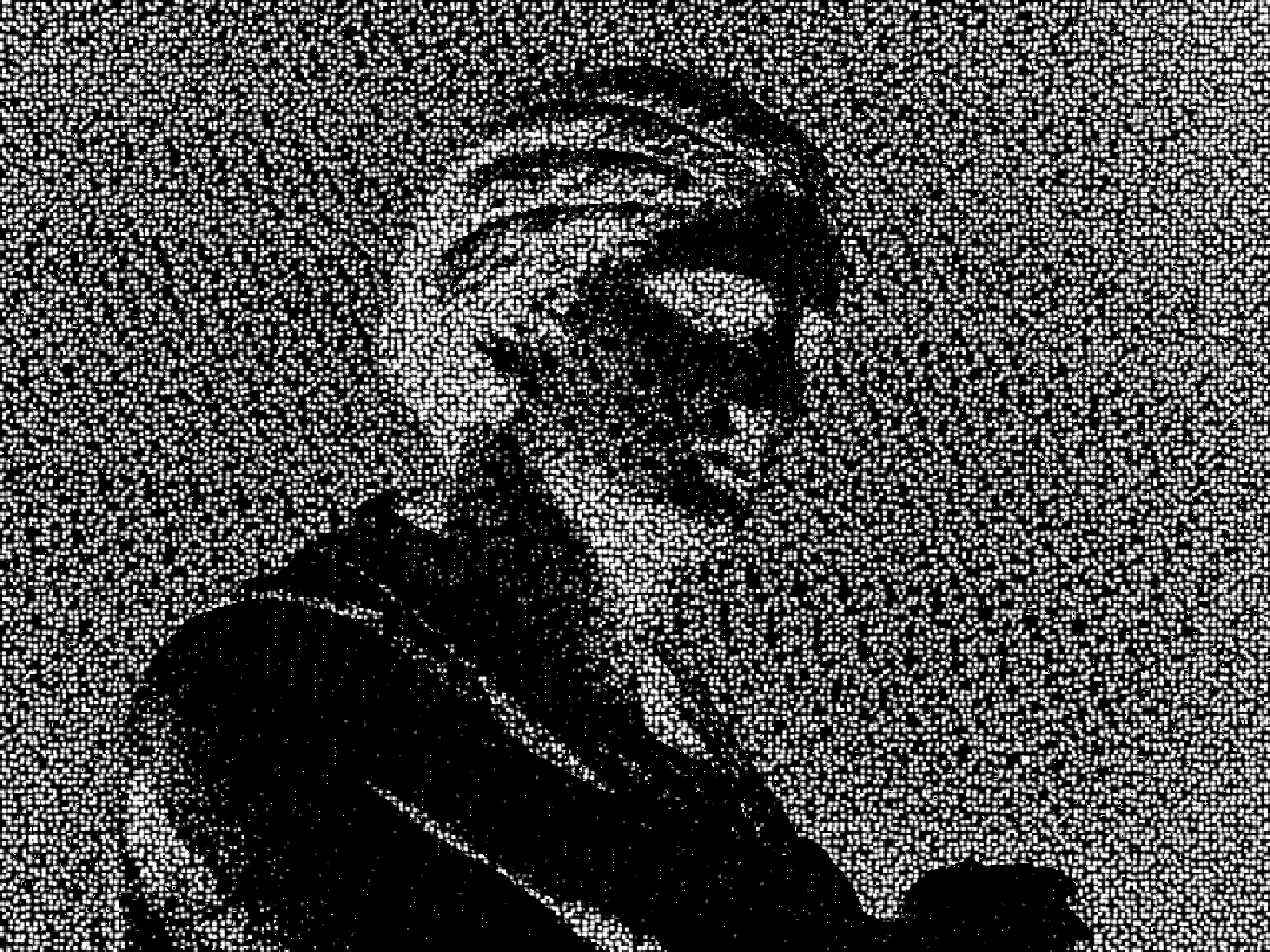 SourceEffect
01/ ORIGIN
Particle systems were introduced to computer graphics by William Reeves in 1983 for the Genesis sequence in Star Trek II, where a planet had to catch fire convincingly and no surface model could do it. The idea was to abandon surfaces entirely and simulate thousands of independent points with simple individual rules. Every explosion, smoke plume and magic effect since is a descendant, and the appeal is that complexity emerges without anyone authoring it.
02/ SWEEP
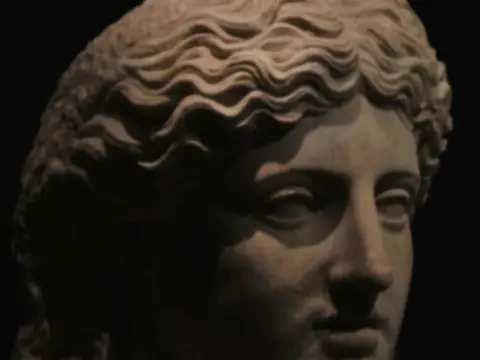
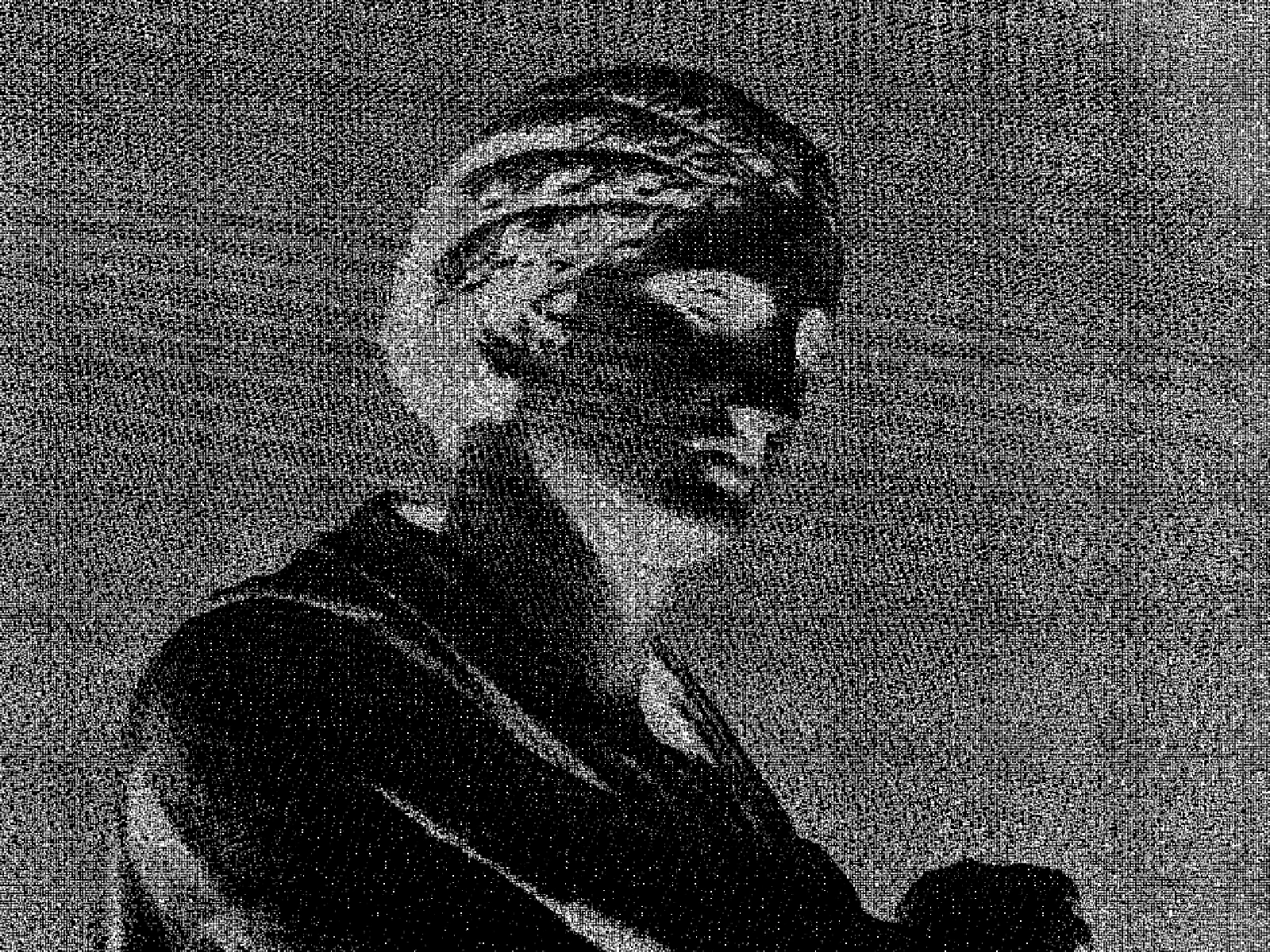
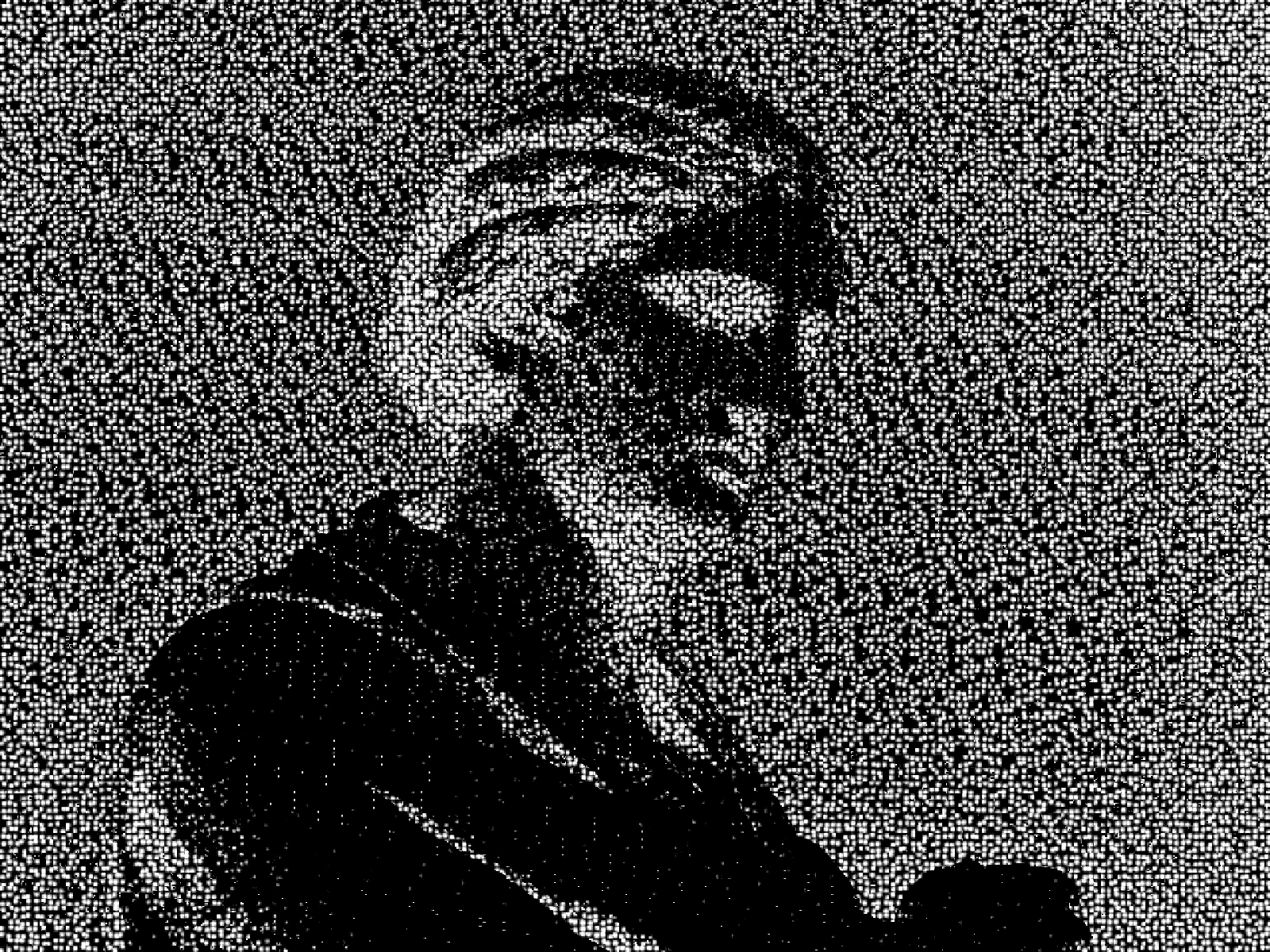
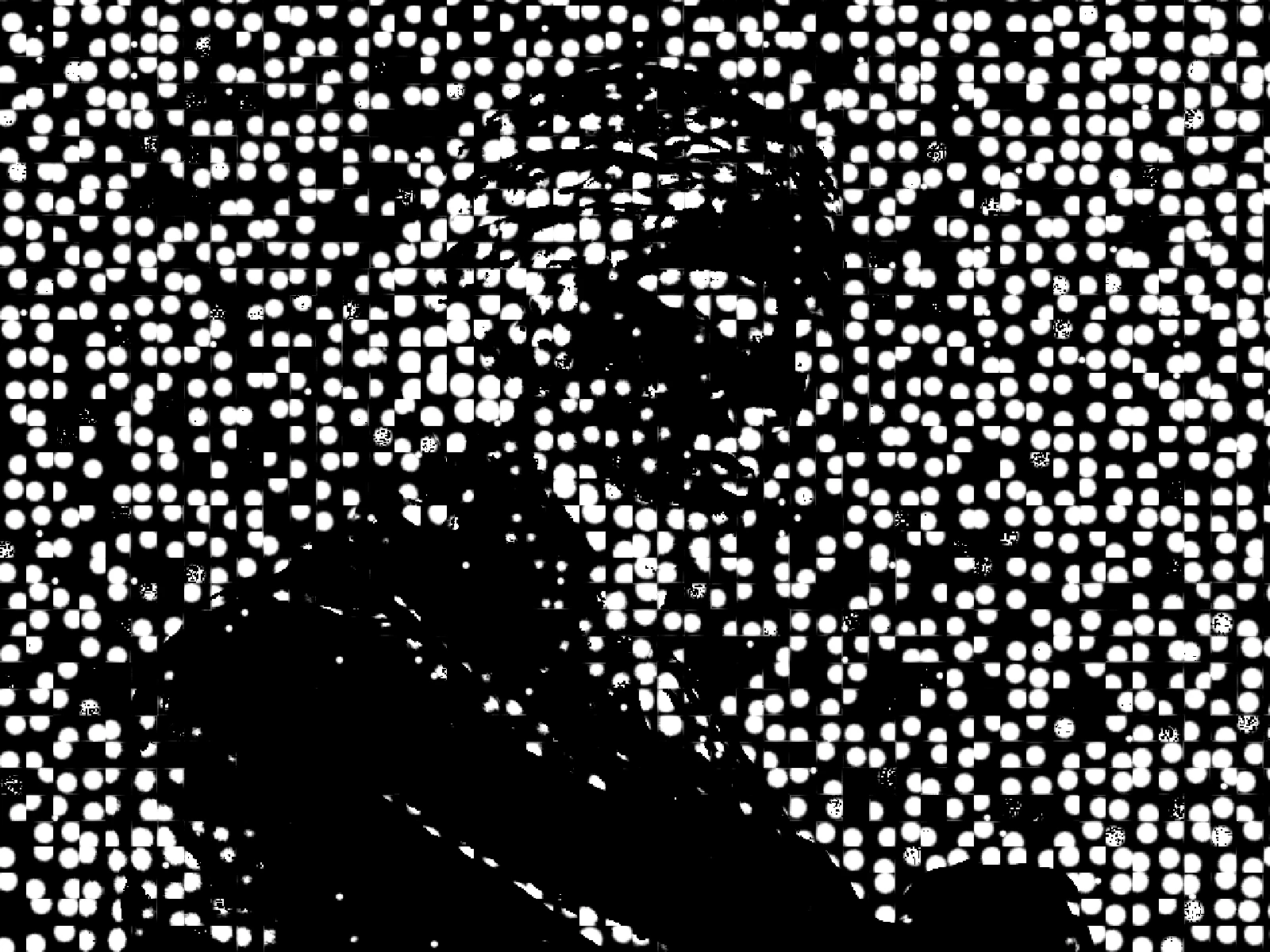
DENSITY sweep
03/ SPEC
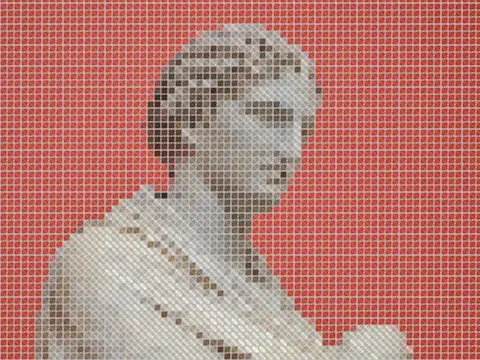
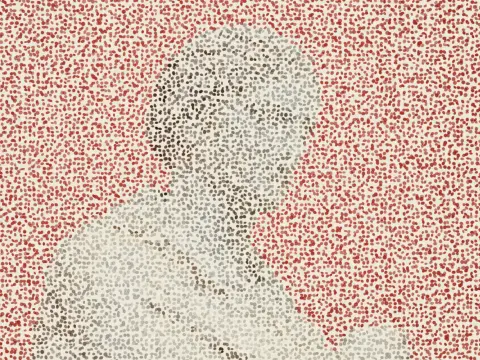
This effect samples the image and renders each sample as an independent point with its own size, brightness and offset, so the picture is reconstituted from a field rather than a grid. DENSITY runs from 2 to 20 with a default of 5 and sets how many particles are placed, which controls how completely the image reassembles. DOT SIZE scales each point, DISPERSION and SPREAD scatter them off their sample positions, and EDGE BOOST concentrates particles on contours. In kott it renders in natural colour so each particle carries the hue it sampled.
04/ FAQ
- What is a particle render effect?
- It rebuilds an image as a field of independent points, each carrying its own position, size and colour sampled from the source, so the picture emerges from the field rather than from a grid.
- Where do particle systems come from?
- William Reeves introduced them to computer graphics in 1983 for the Genesis sequence in Star Trek II, simulating thousands of independent points because no surface model could render fire convincingly.
- What does EDGE BOOST do?
- It concentrates particles along detected contours rather than distributing them evenly, which keeps the subject's outline readable at densities that would otherwise lose it.