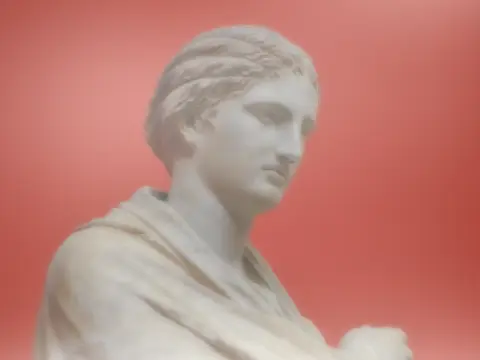
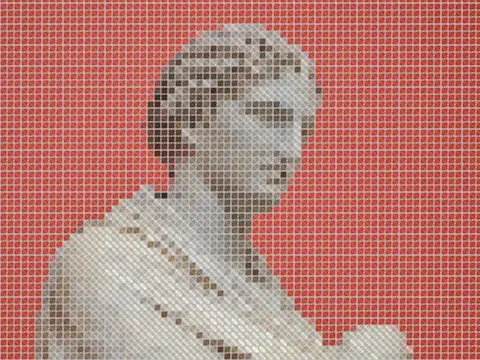
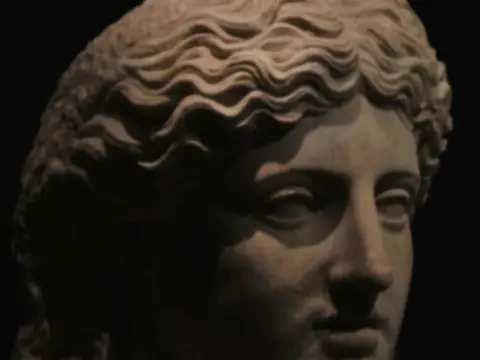
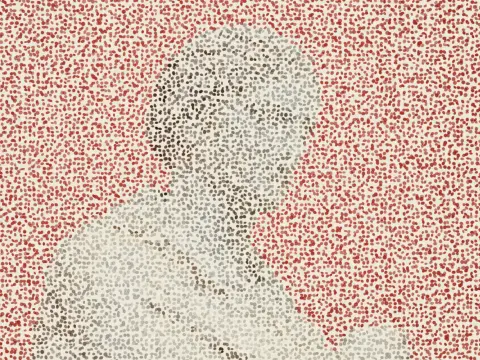
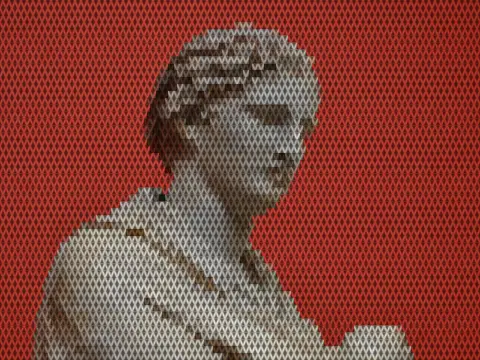
stipple effect
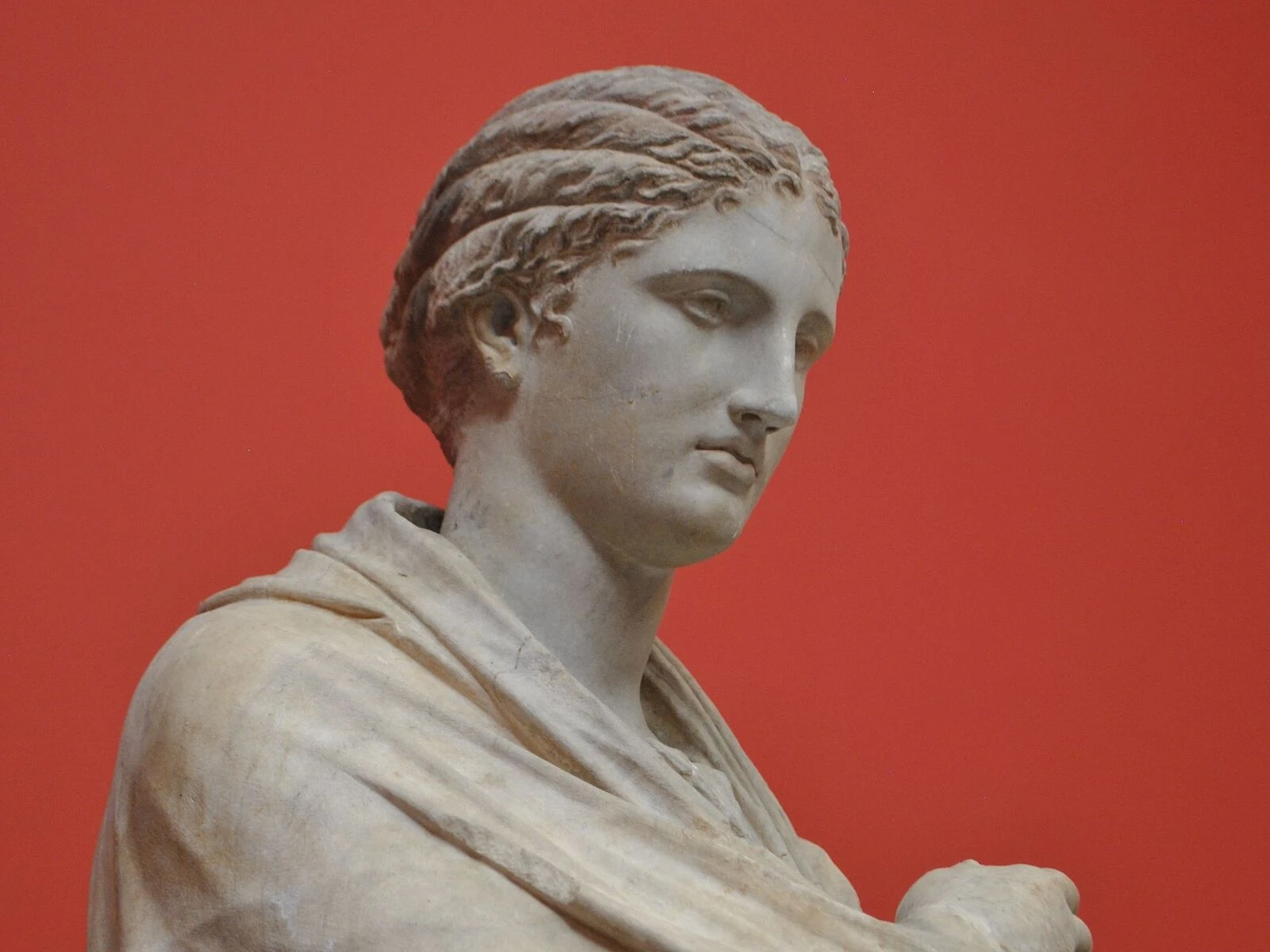
 SourceEffect
01/ ORIGIN
Stipple engraving arrived in the eighteenth century as a way to reproduce the softness of chalk drawing, working tone up from thousands of separately punched dots rather than from line. Scientific and medical illustration adopted it because a dot can be placed with more control than a stroke and reproduces reliably at any printed size. Botanical plates and anatomical atlases were stippled by hand for well over a century, and the convention persists in technical drawing.
02/ SWEEP
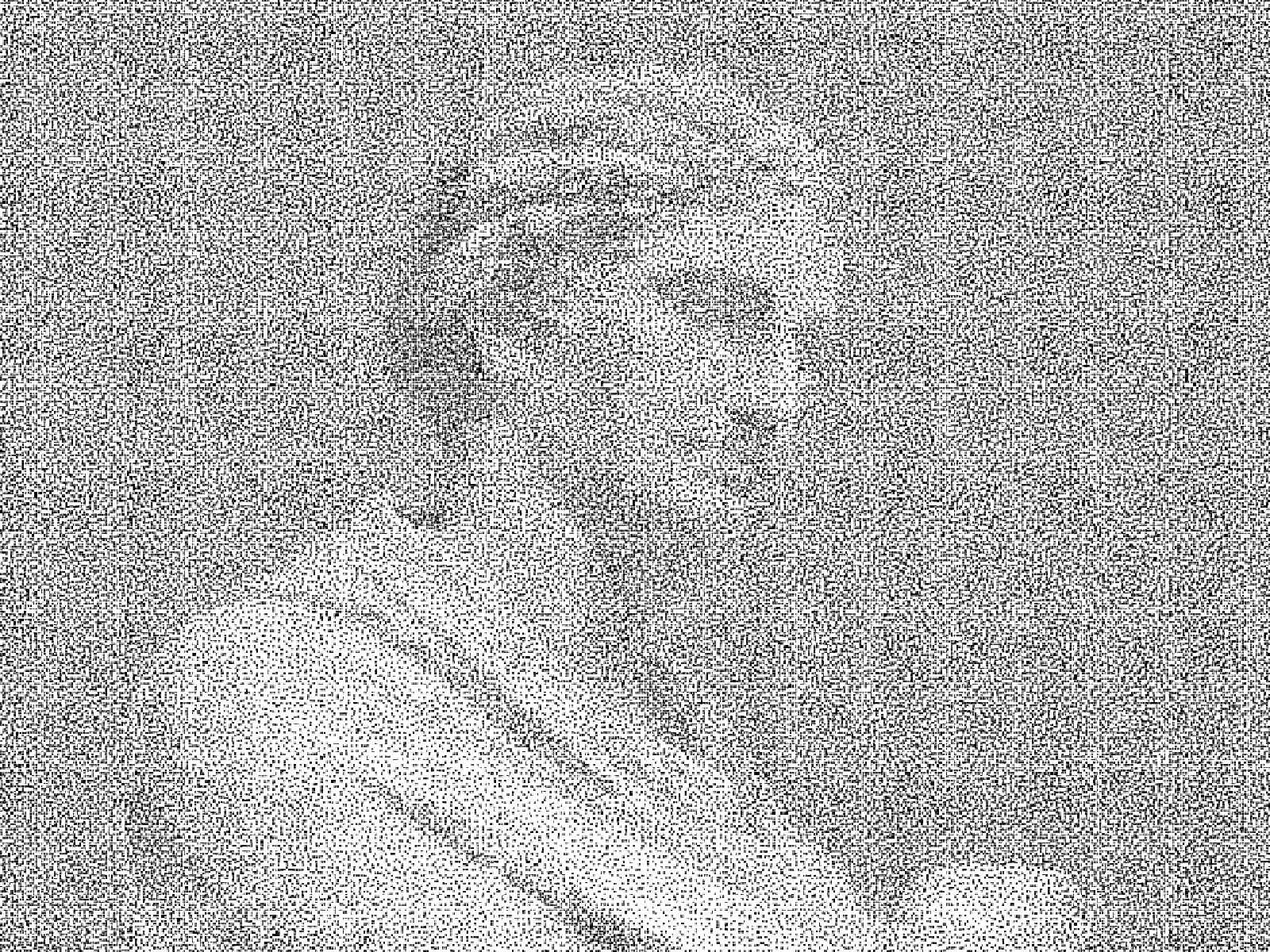
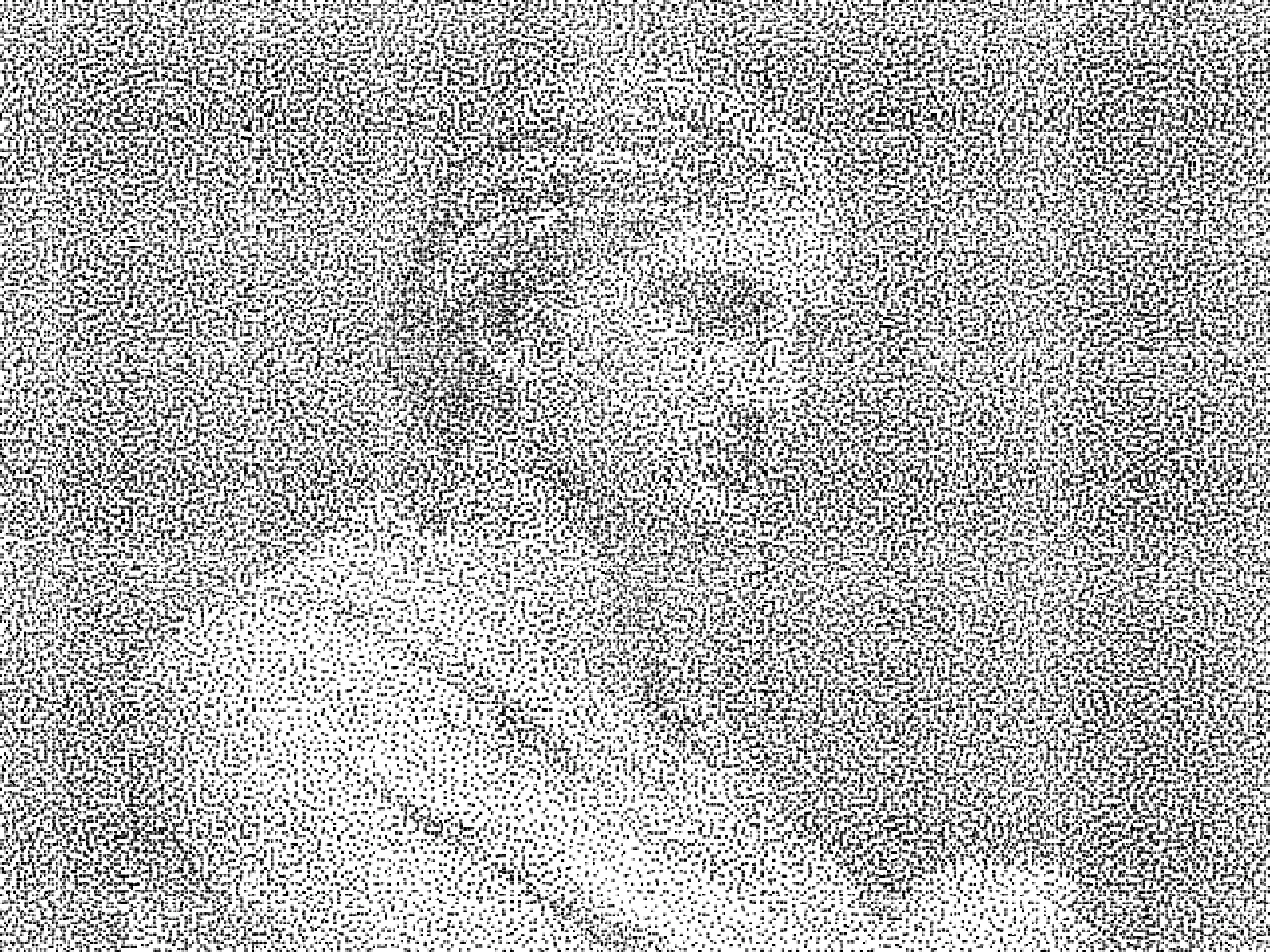
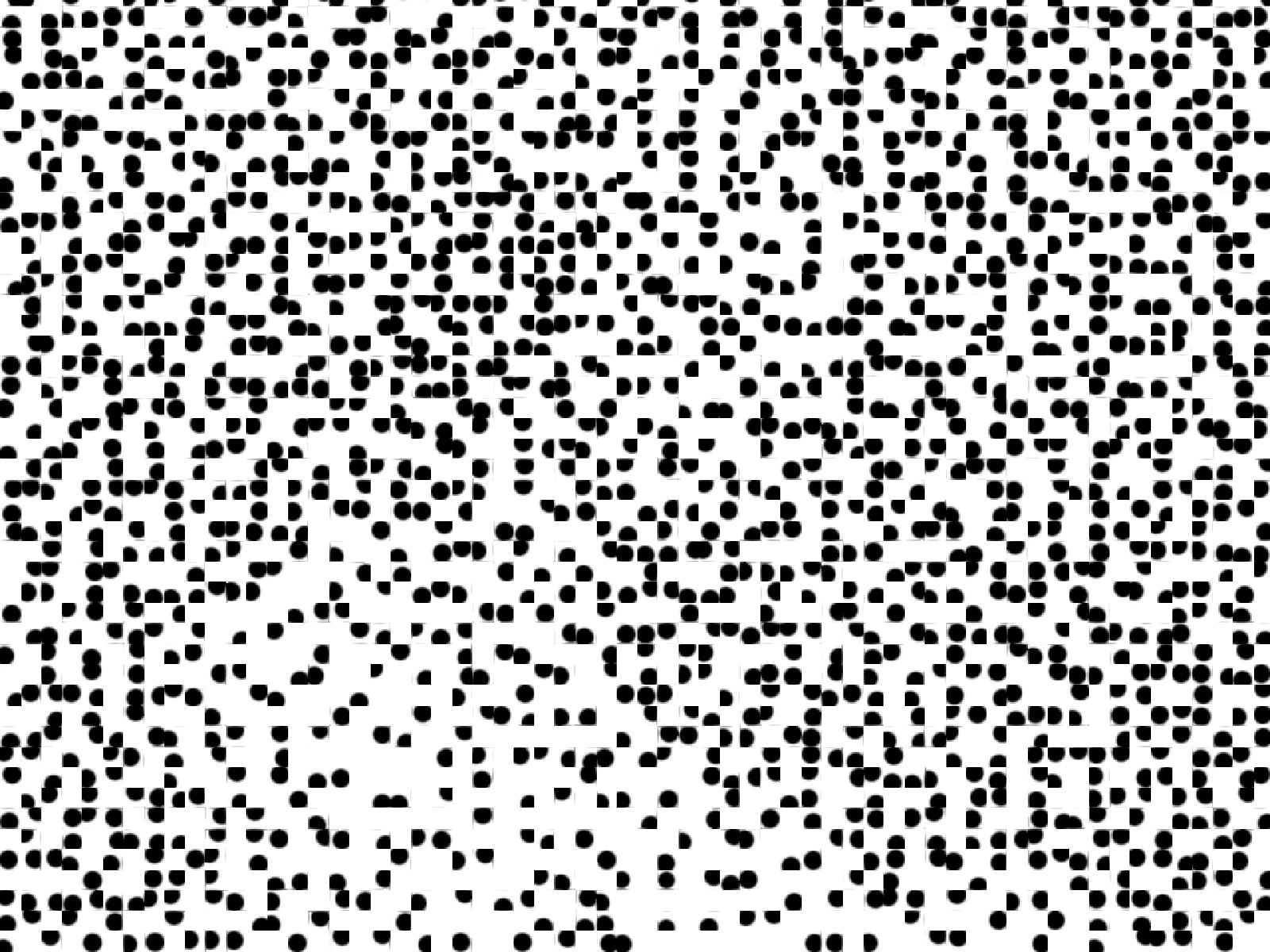
SCALE sweep
03/ SPEC
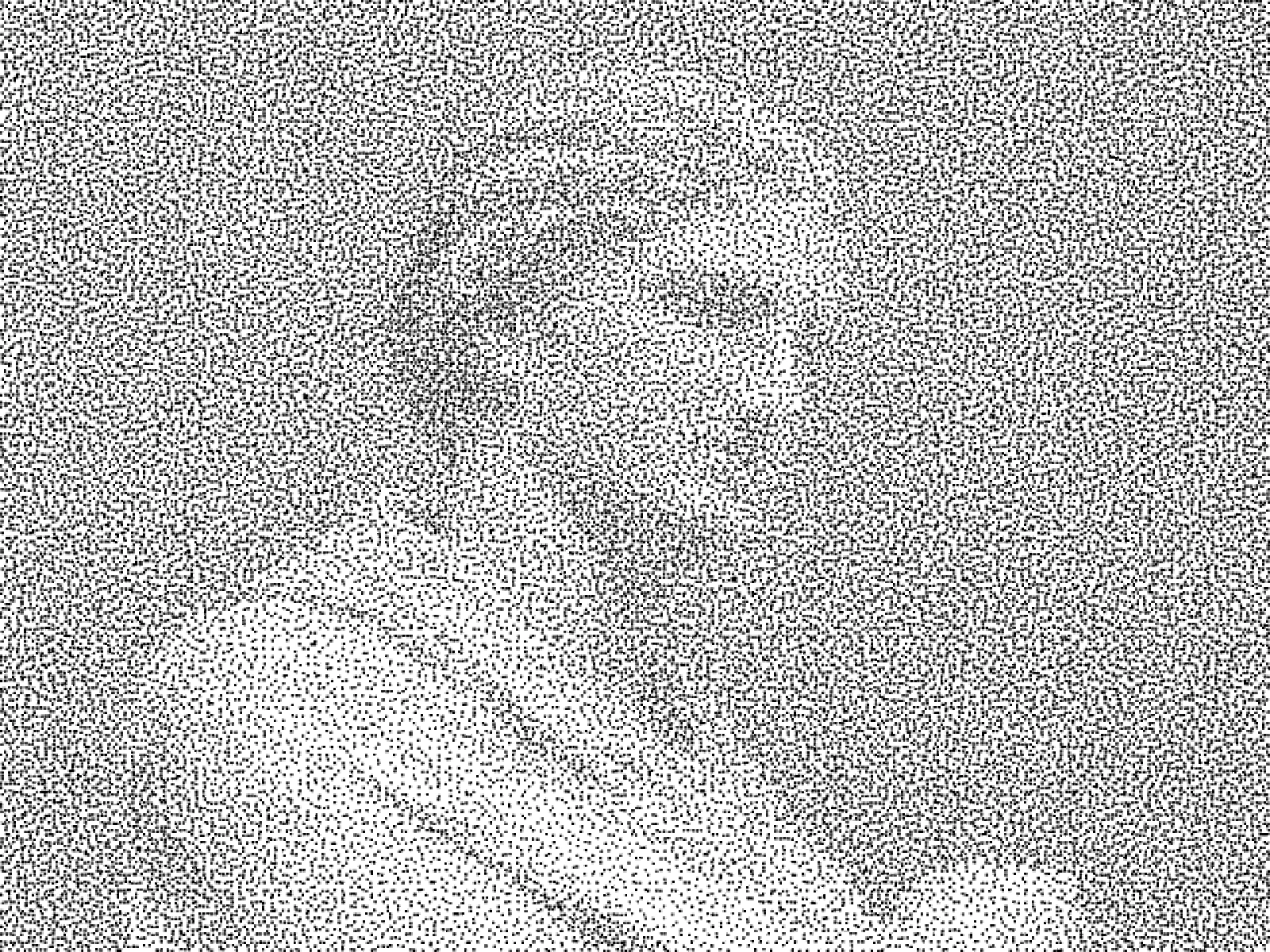
Stippling maps brightness to dot density and size, placing separate marks instead of shading continuously, so darker areas receive more and larger dots. SCALE sets the dot grid spacing from 2 to 16 pixels with a default of 3, and is the main control over whether the result reads as fine illustration or as coarse pointillism. DOT SIZE scales each mark from 0.5 to 3 independently of the spacing, so density and weight can be tuned apart from each other. THRESHOLD shifts which tones receive a dot at all. In kott the dots are generated per pixel, so a large export gains detail rather than enlarging the same pattern.
04/ FAQ
- What is a stipple effect?
- A stipple effect builds tone from separate dots rather than continuous shading, with darker areas receiving more and larger dots. It reproduces the stipple engraving used in scientific illustration.
- What is the difference between stipple and halftone?
- A halftone places dots on a fixed rotated grid and varies only their size. Stippling varies both placement and size, so the result reads as drawn rather than as printed.
- What SCALE gives a scientific illustration look?
- Keep SCALE at 2 or 3 with DOT SIZE near its 1.3 default. Wider spacing reads as pointillism, which is a different tradition with different intent.