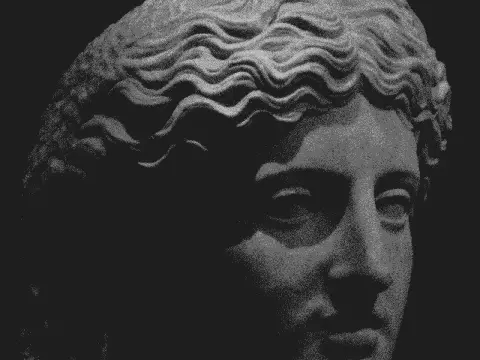
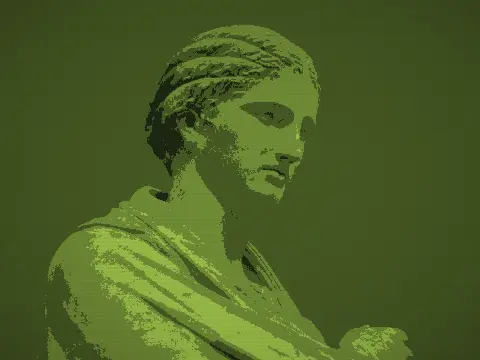
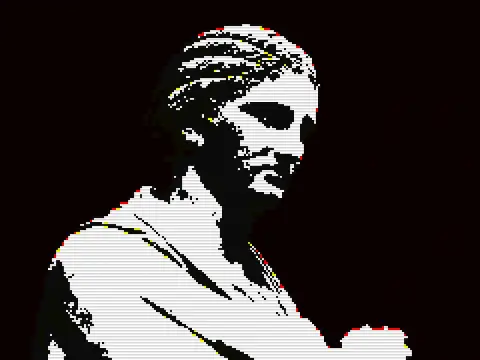
crt effect
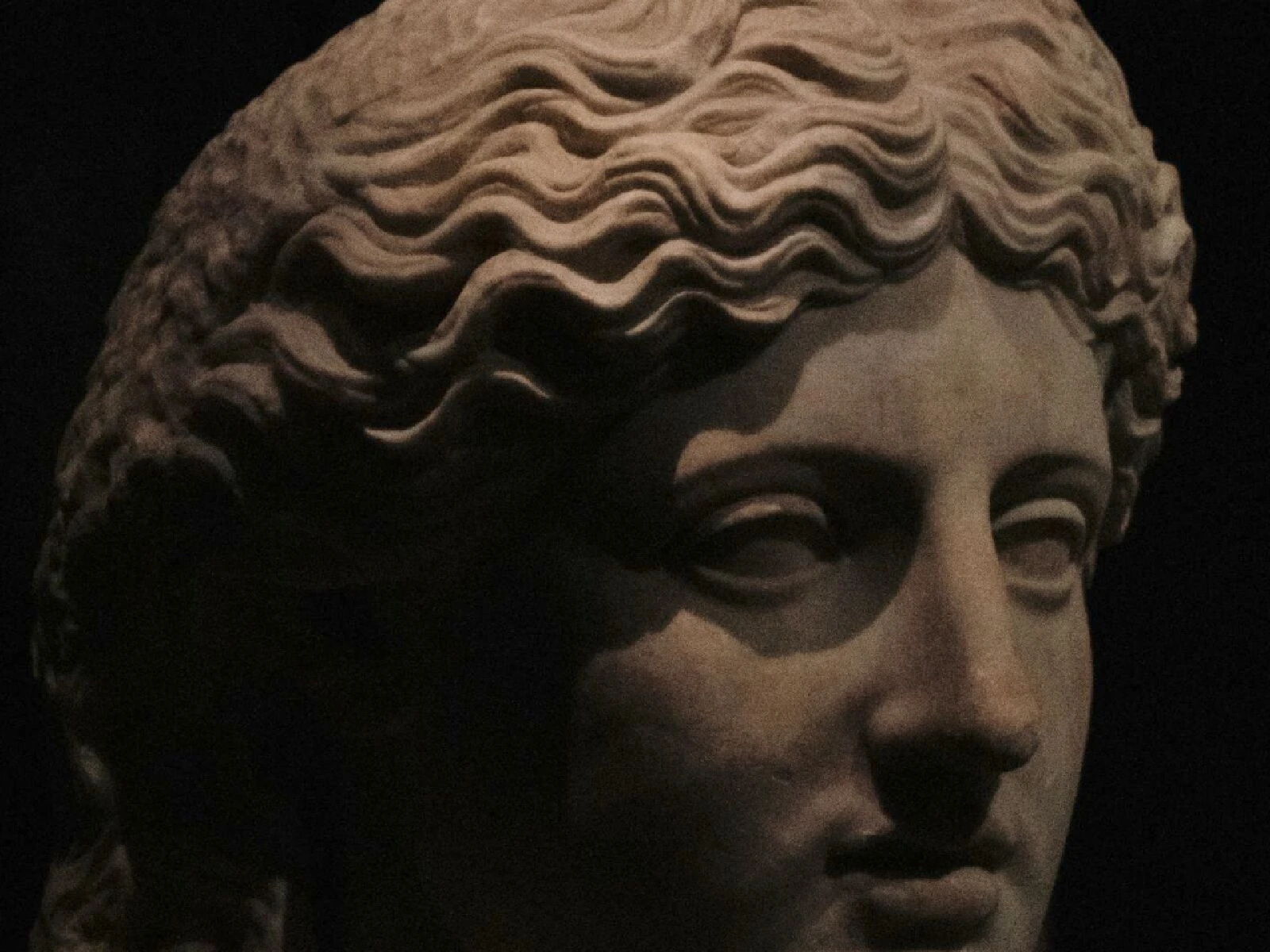
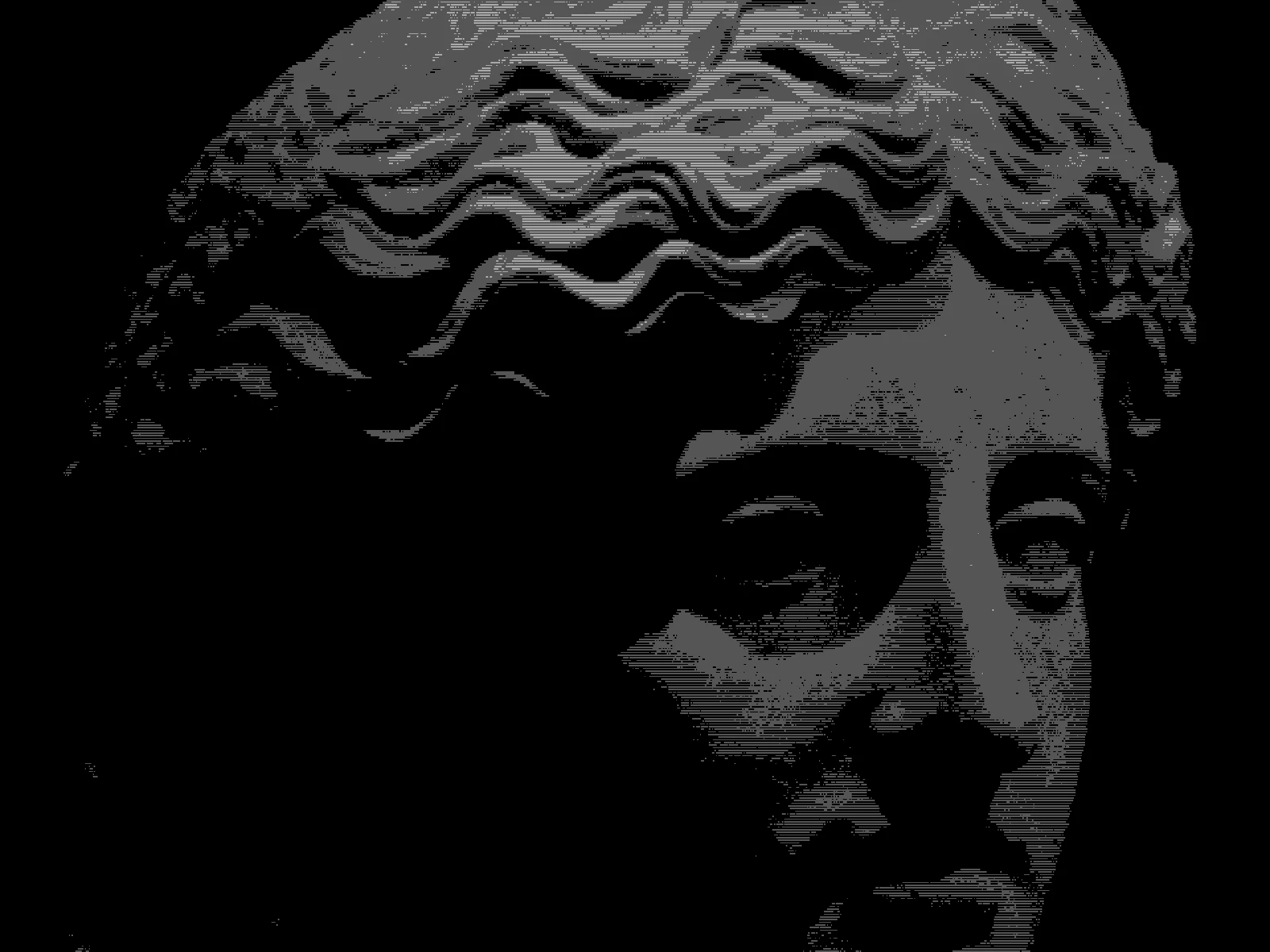 SourceEffect
01/ ORIGIN
Ferdinand Braun built the first cathode ray tube in 1897, and for most of the twentieth century every television and computer monitor was one. Colour sets needed a way to keep the beam on the right phosphor, and two solutions competed: a perforated shadow mask, giving a triad of round dots, and Sony's aperture grille in the Trinitron of 1968, giving vertical stripes. Flat panels replaced them through the 2000s. The texture people now add on purpose is a record of how that beam was aimed.
02/ SWEEP
ABERRATION sweep
03/ SPEC
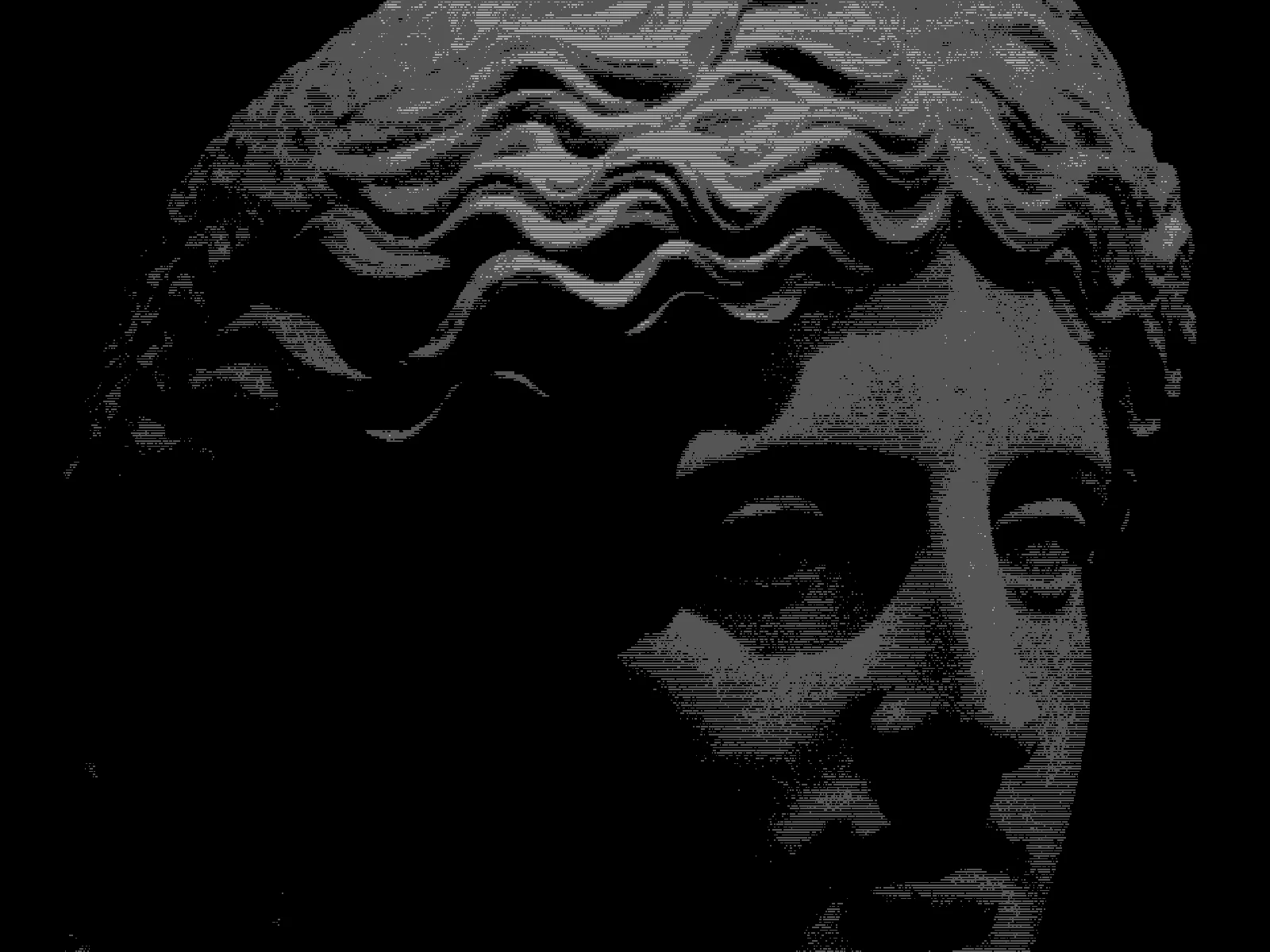
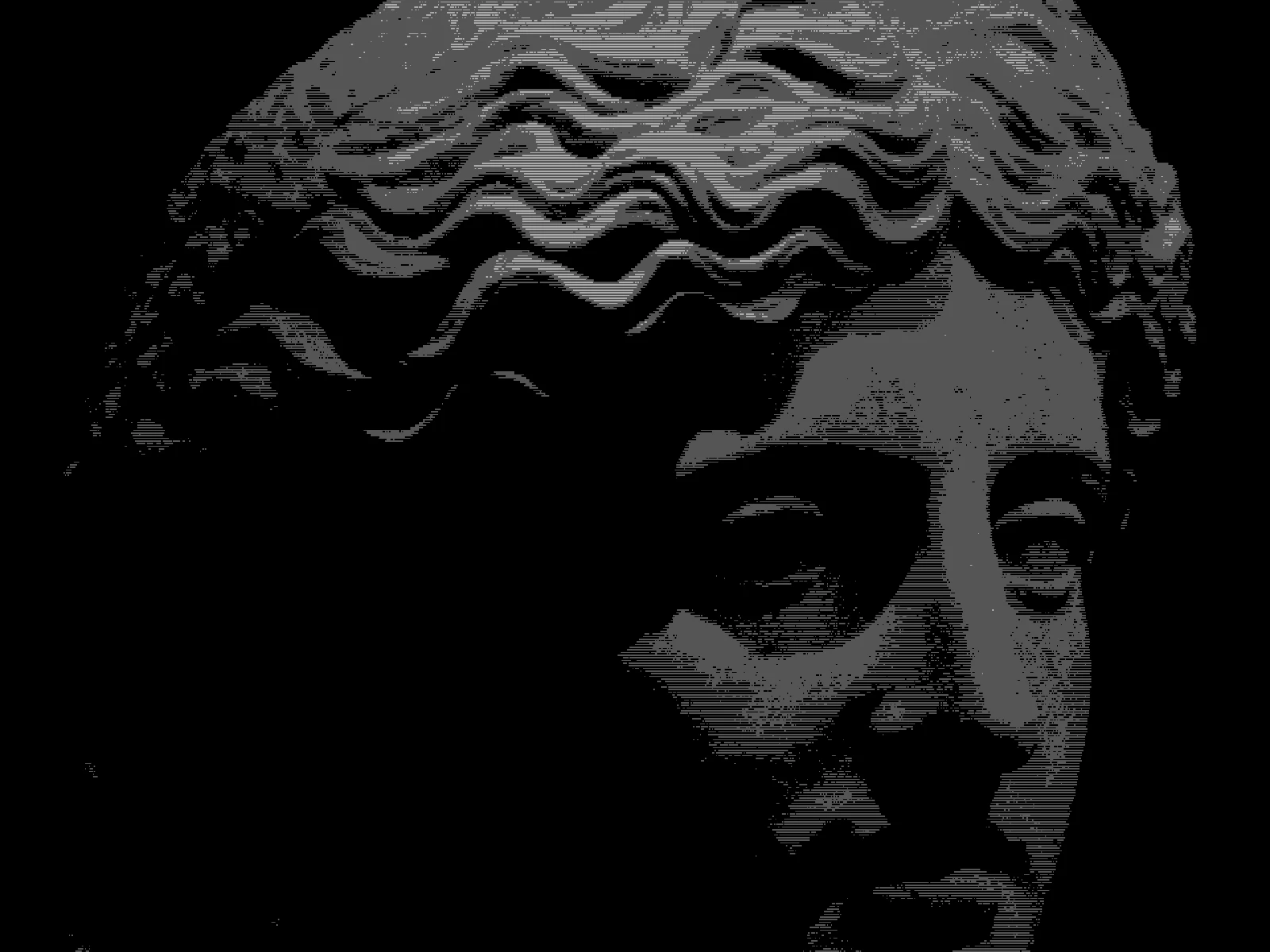
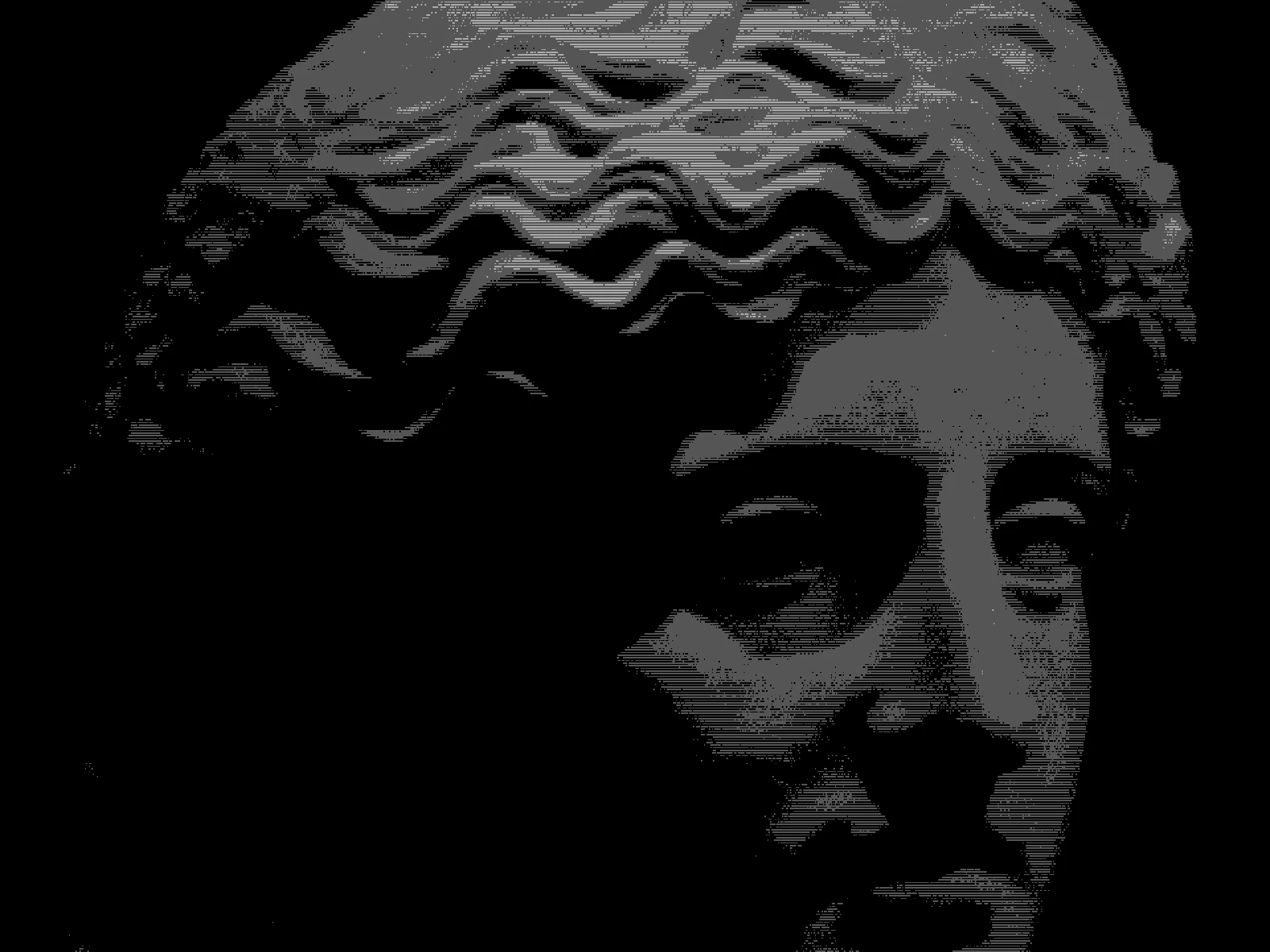
This effect reproduces the phosphor structure of a cathode ray tube rather than simply adding scanlines. MODE selects SCANLINE, which darkens alternate rows the way an interlaced beam did, or GRILLE, which splits the image into vertical stripes the way an aperture-grille tube did. TRIAD sets the phosphor cell size from 1 to 8 pixels, default 2, and decides whether the structure reads as texture or as visible hardware. ABERRATION offsets the colour channels slightly, imitating convergence error in a misaligned tube. CONTRAST and GATE shape how much of the image survives the mask. In kott the mask is generated per pixel, so it stays sharp at any export size.
04/ FAQ
- What is a CRT effect?
- A CRT effect imitates how a cathode ray tube displayed an image: a visible phosphor grid, darkened alternate scanlines, and slight colour misconvergence. It reproduces the structure of the display, not just added lines.
- What is the difference between a shadow mask and an aperture grille?
- A shadow mask uses perforations and produces triads of round phosphor dots. An aperture grille, introduced in Sony's Trinitron in 1968, uses vertical wires and produces stripes. The MODE control switches between the two looks.
- How do I stop a CRT effect from destroying detail?
- Keep TRIAD low, at 1 or 2, so the mask stays finer than the features underneath, and raise CONTRAST slightly to recover the tone the mask absorbs.