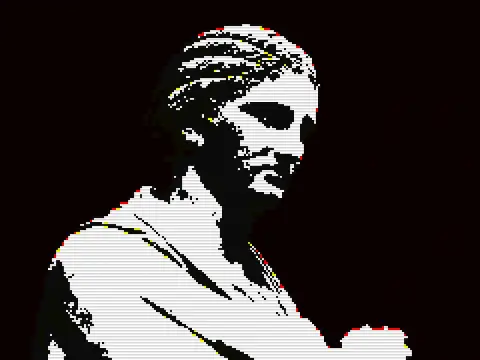
nokia 3310 effect

 SourceEffect
01/ ORIGIN
The Nokia 3310 shipped in 2000 with a monochrome LCD of 84 by 48 pixels, which had to hold a menu, a phone book and Snake. It sold in enormous numbers and became a durability joke that outlived the phone by two decades. The screen's greenish cast came from the backlight behind a passive matrix panel, and the resolution was low enough that every glyph and icon on it was drawn by hand, pixel by pixel.
02/ SWEEP
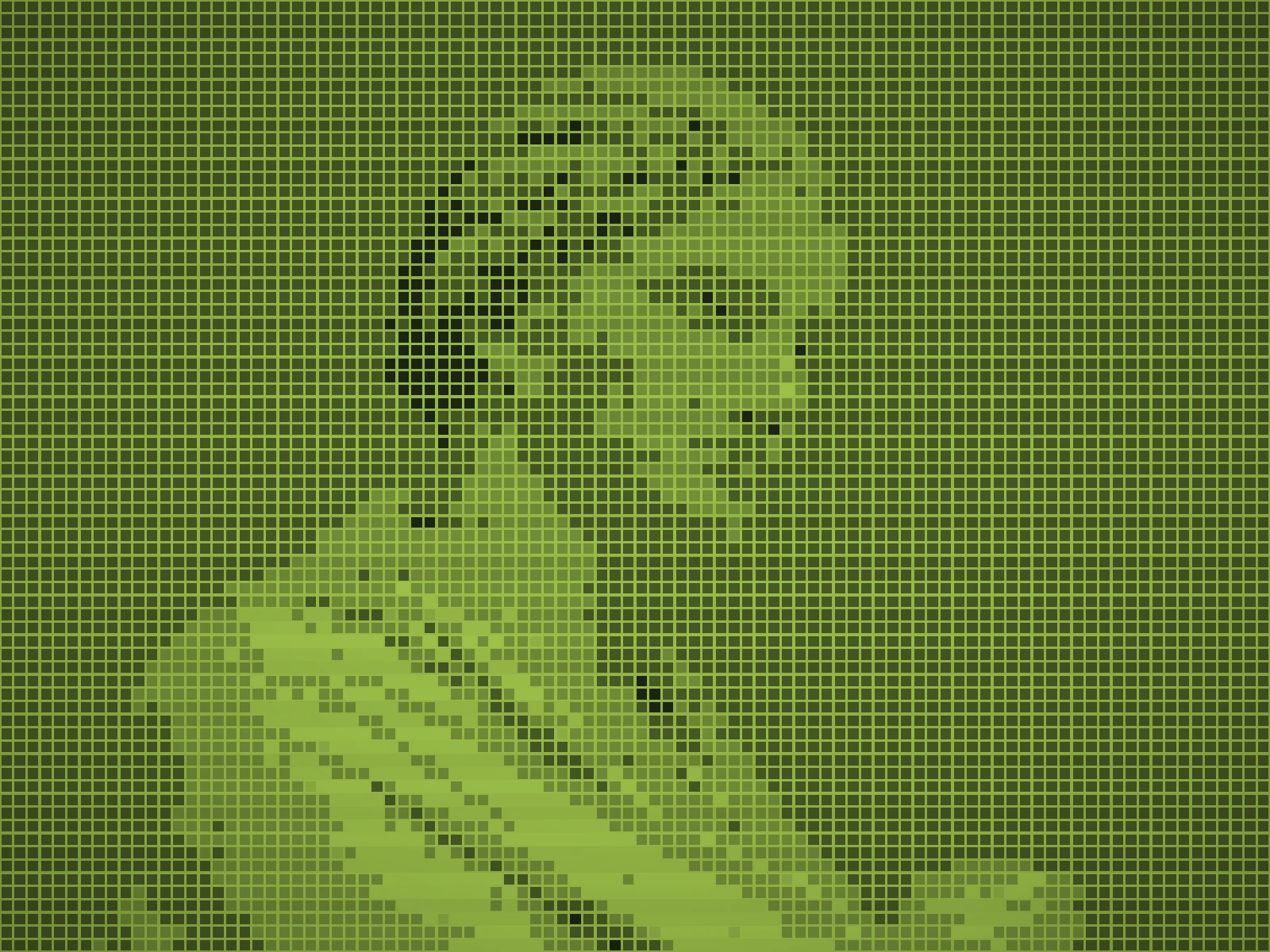
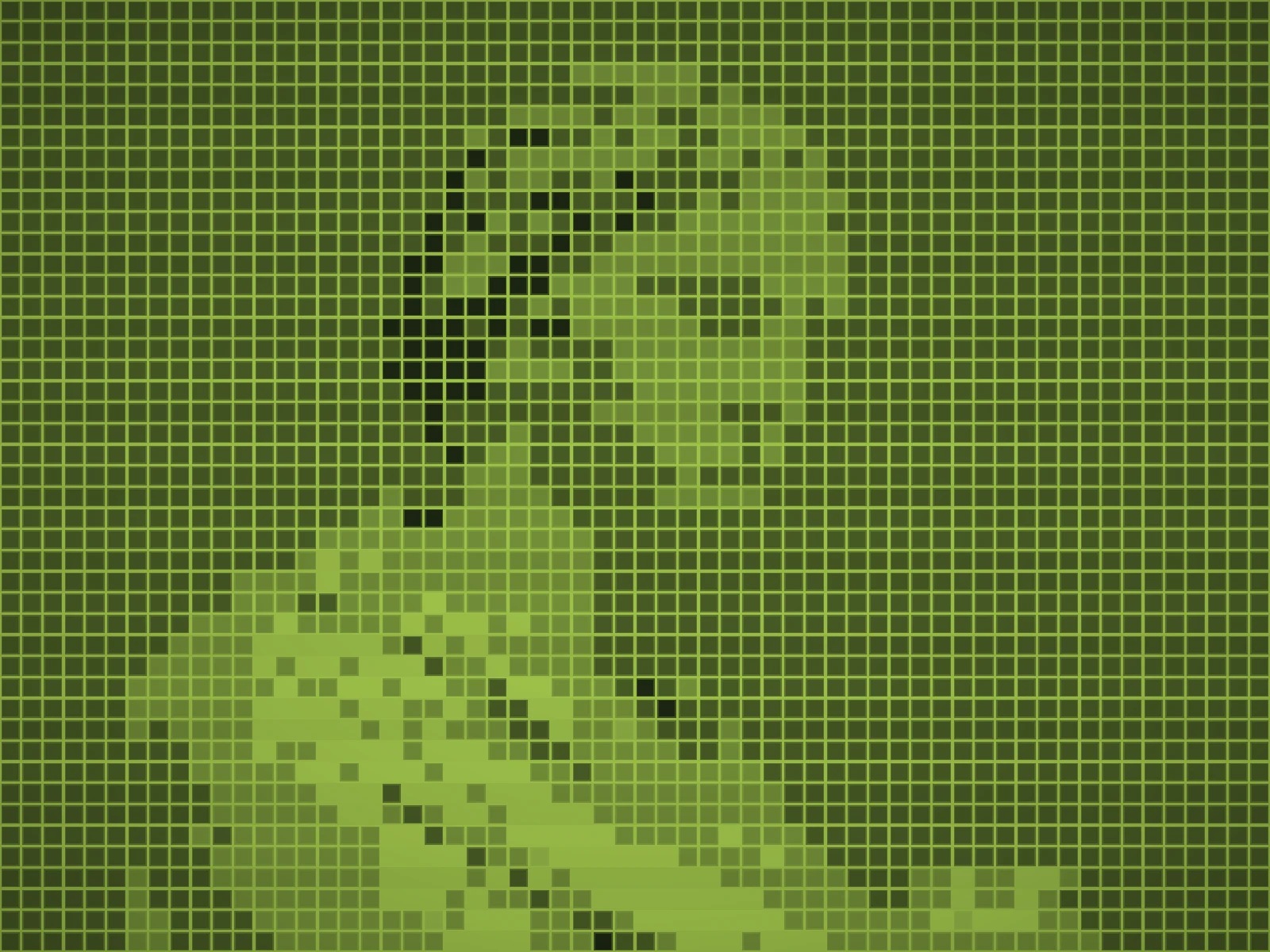
PIXEL sweep

03/ SPEC
This effect reduces the image to a coarse monochrome grid with the greenish tint and slight persistence of a passive matrix LCD. PIXEL runs from 1 to 8 with a default of 1 and scales the cell size, which sets how closely the result approaches the original panel's genuinely tiny resolution. GHOSTING adds the smeared persistence such displays had when content changed, and CONTRAST is an advanced control. In kott it renders in natural colour so the panel's tint reads as a real cast rather than as neutral grey.
04/ FAQ
- What is a Nokia 3310 effect?
- A Nokia 3310 effect renders an image as a coarse monochrome grid with the greenish tint and persistence of the phone's passive matrix LCD.
- What resolution was the Nokia 3310 screen?
- 84 by 48 pixels, monochrome. That had to accommodate the menus, the phone book and Snake, which is why every icon on it was drawn by hand one pixel at a time.
- Why does the screen look green?
- The cast came from the backlight shining through a passive matrix panel rather than from any deliberate colour choice. It is one of the most recognisable things about the device.