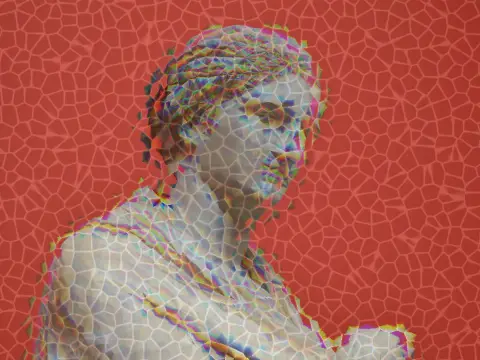
melt effect

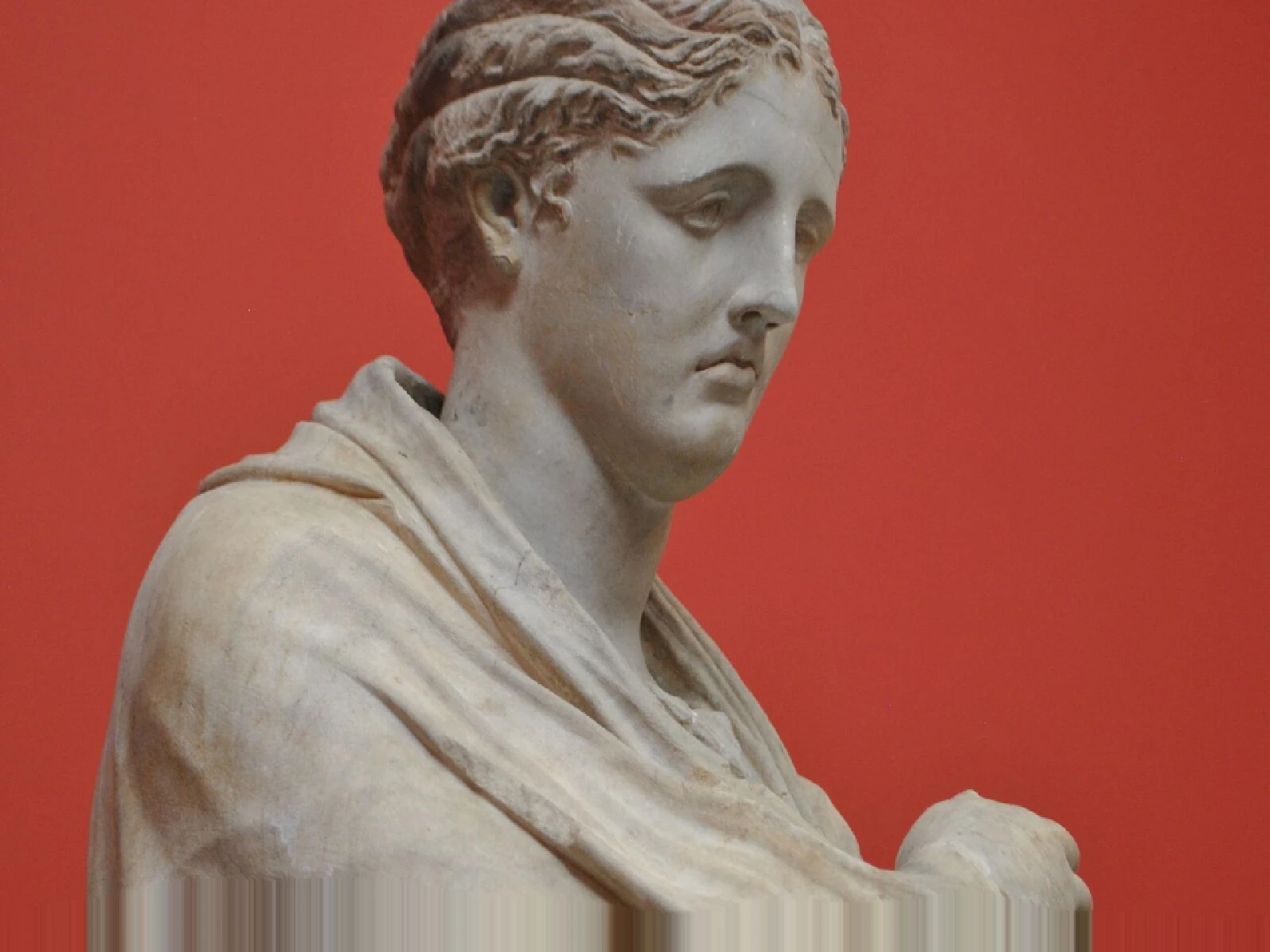 SourceEffect
01/ ORIGIN
There is no optical process behind this one and it would be dishonest to invent one: no lens, film or print sags. It belongs to digital editing, where displacing rows progressively downward is trivial arithmetic, and it entered visual language through screensavers, early web graphics and glitch art. The reference it plays on is physical, the behaviour of a heated solid, but nothing in photography has ever done it by accident.
02/ SWEEP
AMOUNT sweep

03/ SPEC
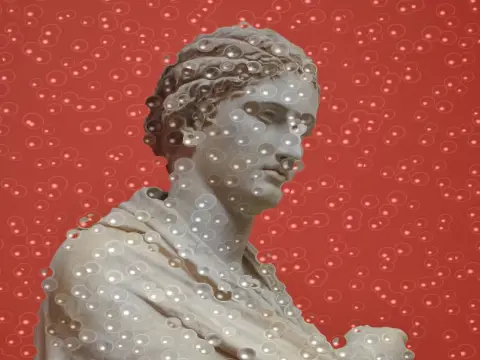
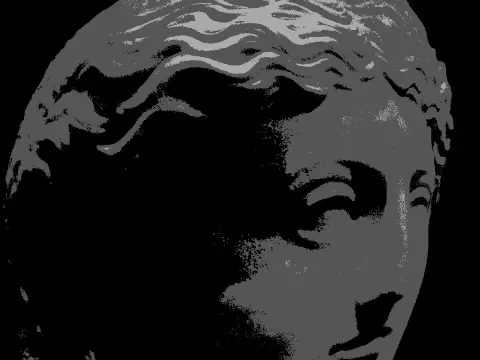
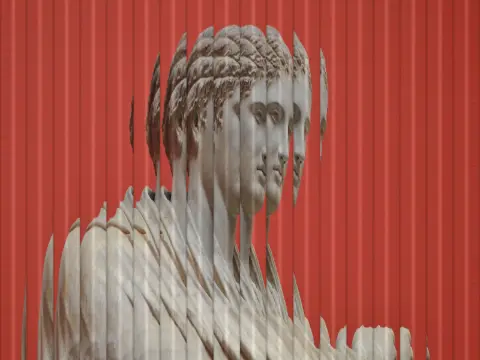
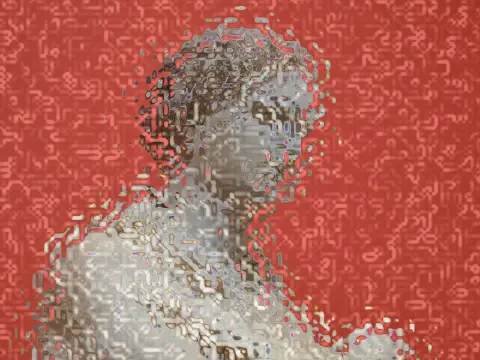
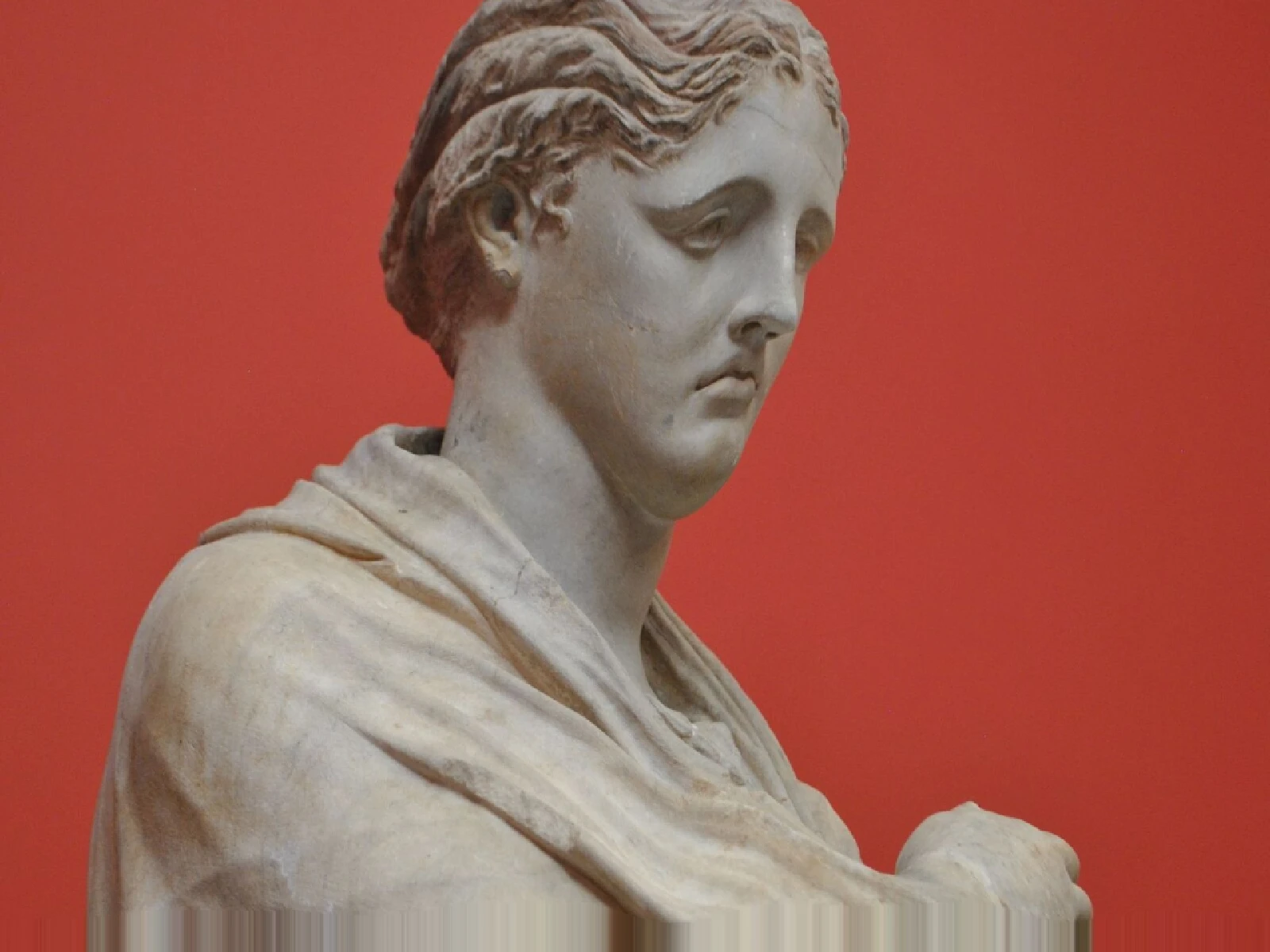
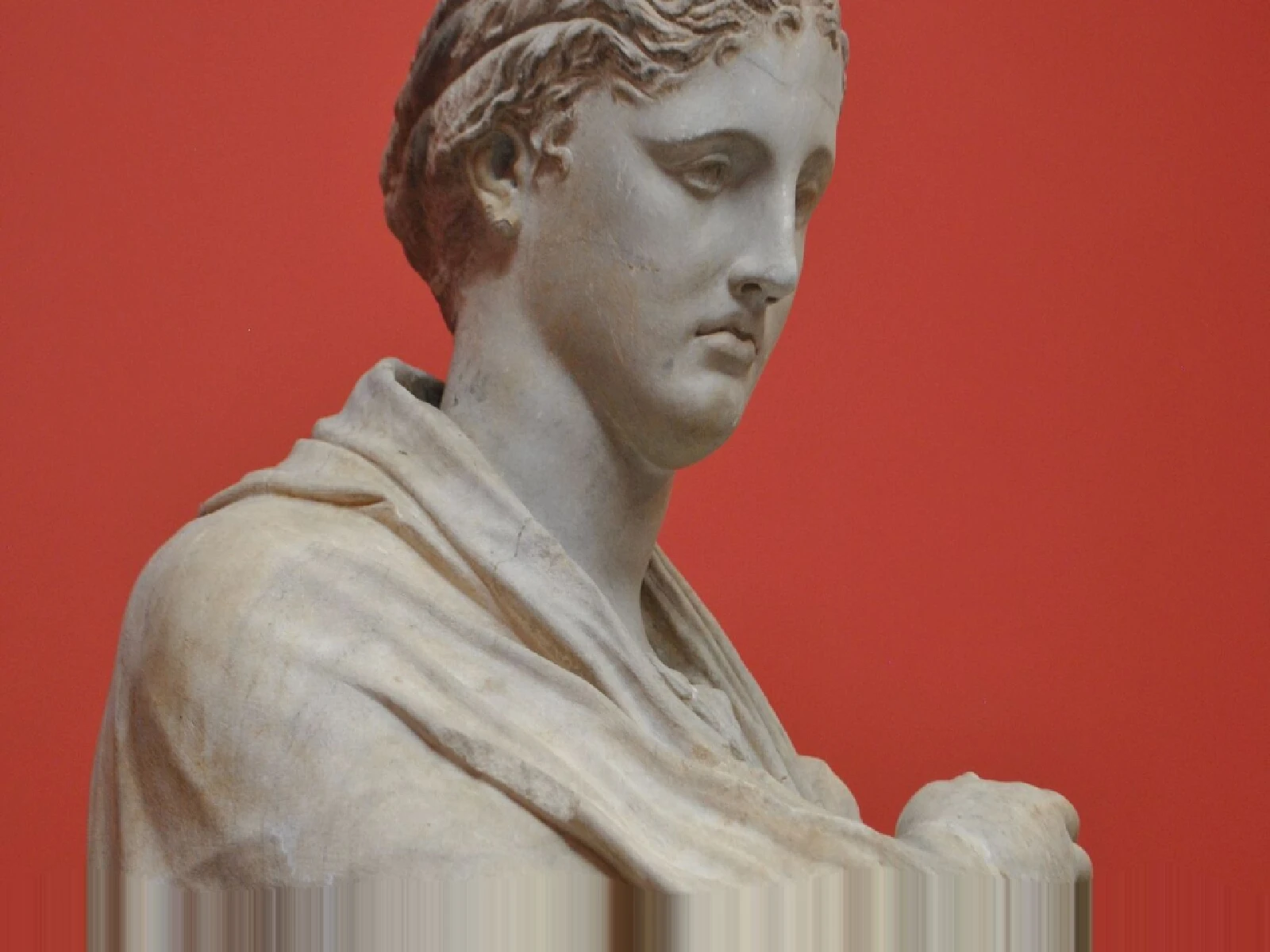
This effect displaces pixels downward by an amount that varies across the frame, so columns appear to sag at different rates rather than shifting uniformly. AMOUNT runs from 0 to 1 with a default of 0.5 and scales the displacement, where 0 is a clean pass-through. SCALE from 0.2 to 4 sets the width of the sagging features, controlling whether the drip reads as fine strands or broad sheets, and SPEED animates the motion over time, which affects video rather than a still. In kott it renders in natural colour so the dragged rows carry their original hue.
04/ FAQ
- What is a melt effect?
- A melt effect displaces pixels downward by varying amounts across the frame, so the image appears to sag as though it were a heated solid losing its shape.
- Is there a photographic equivalent?
- No. Nothing in a lens, film or print sags. It is a purely digital displacement whose reference is physical rather than optical, which is why it never occurs by accident.
- What does SCALE control?
- The width of the sagging features. Low values give fine drips like strands, and high values drag broad sheets of the image, which reads as more deliberate.