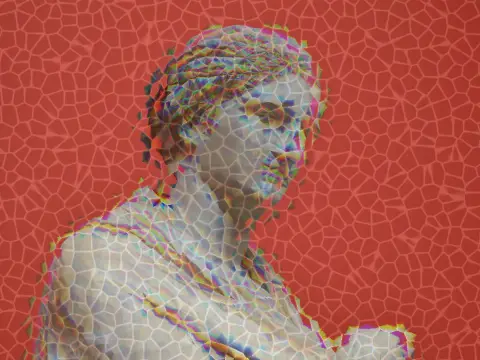
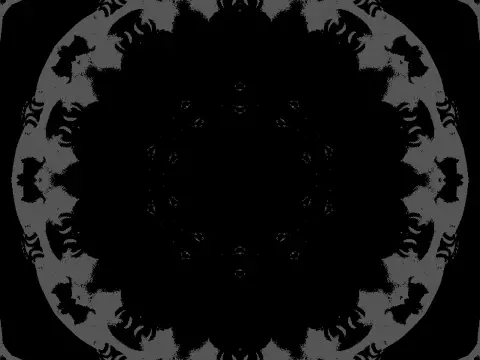
mirror effect
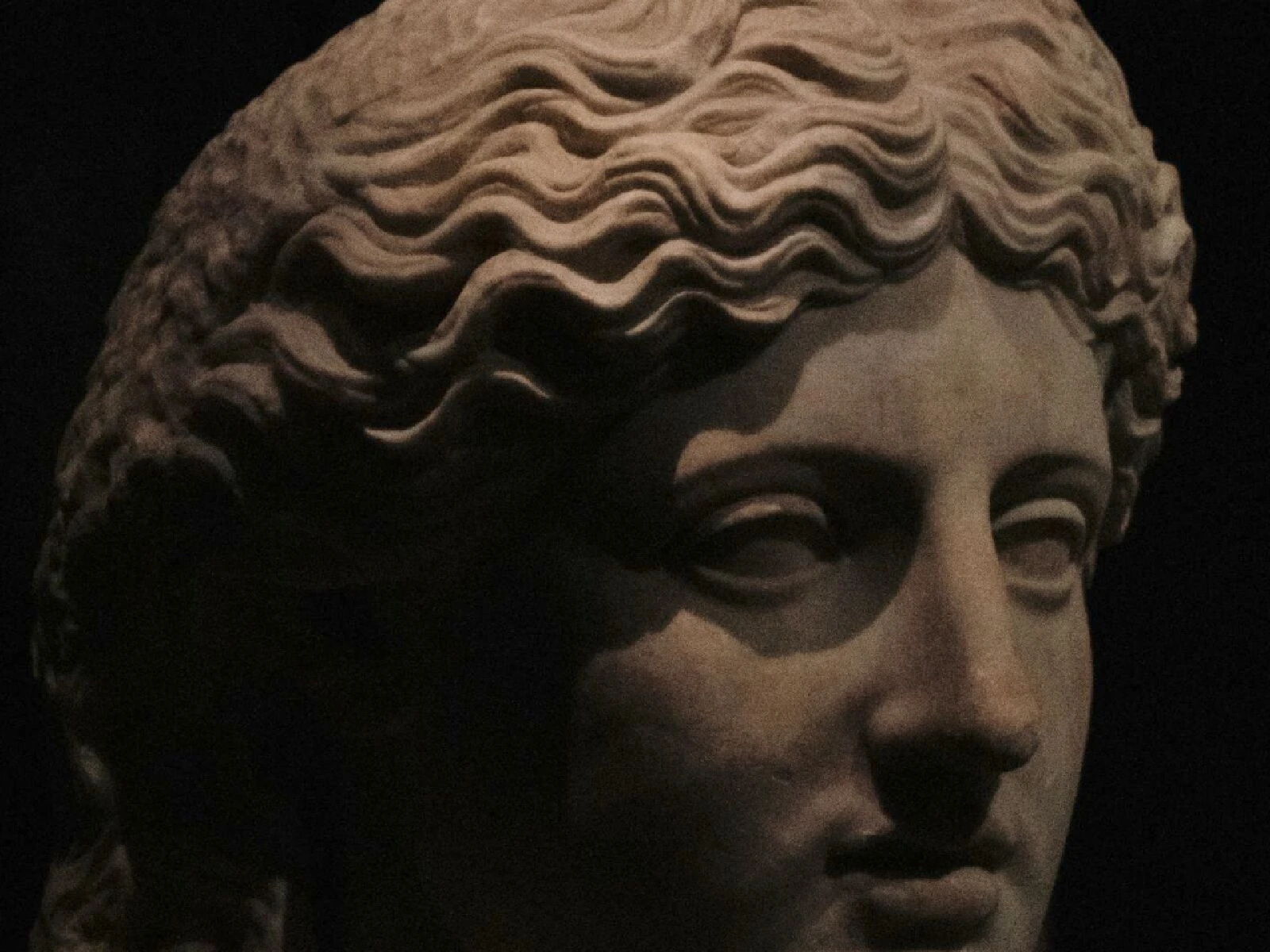
 SourceEffect
01/ ORIGIN
David Brewster patented the kaleidoscope in Edinburgh in 1817, an arrangement of mirrors that turned any handful of loose fragments into an ordered symmetrical pattern. It sold in enormous numbers almost immediately. The instrument made a point that has been reused ever since: symmetry is so strong a signal that the eye will accept a pattern as designed even when it knows the contents were arbitrary. Rorschach put the same trick to work in 1921.
02/ SWEEP
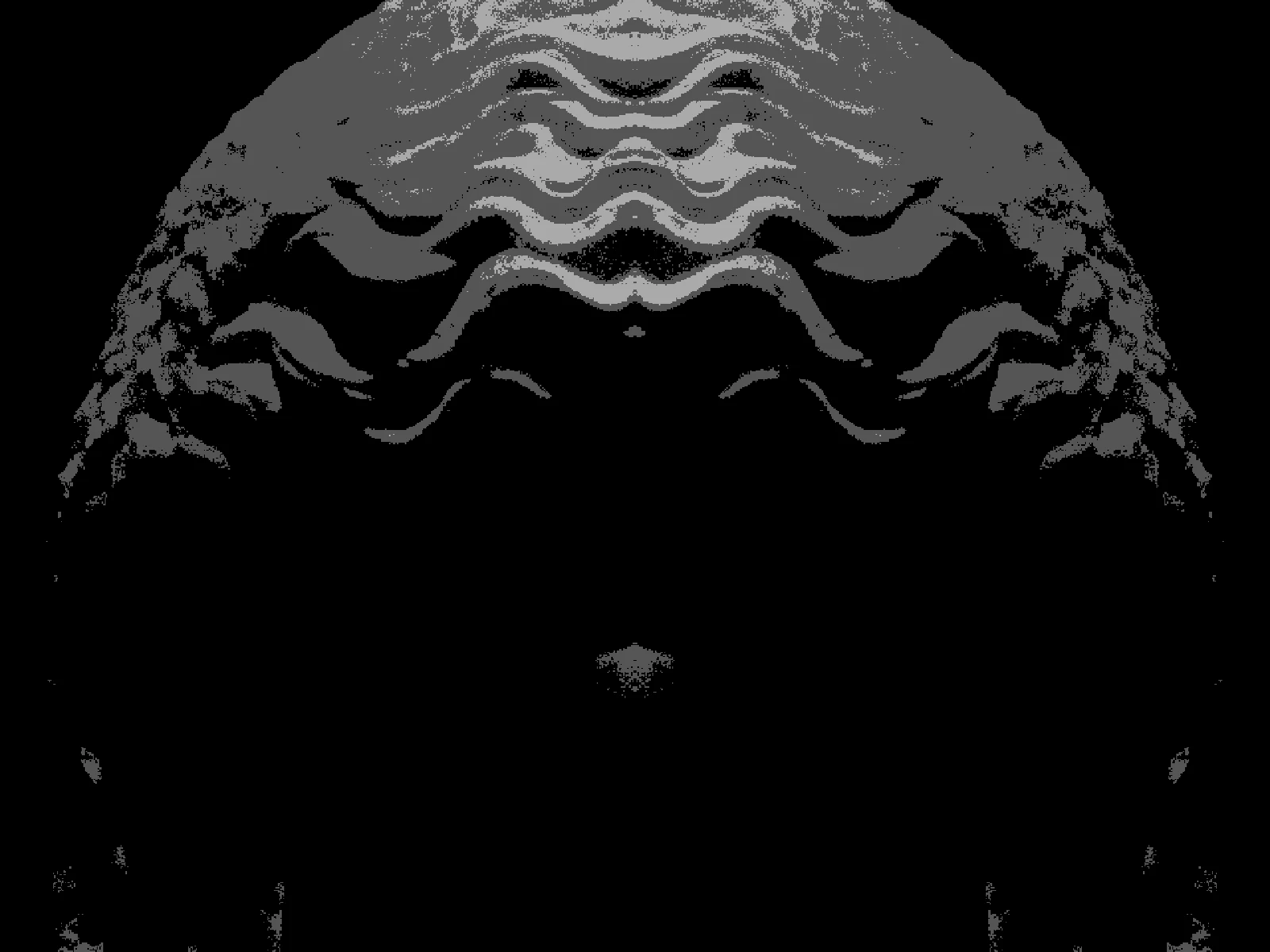
MODE sweep
03/ SPEC
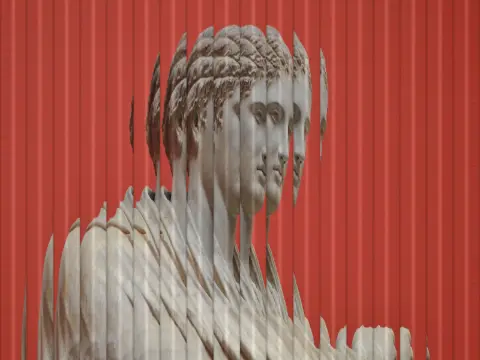
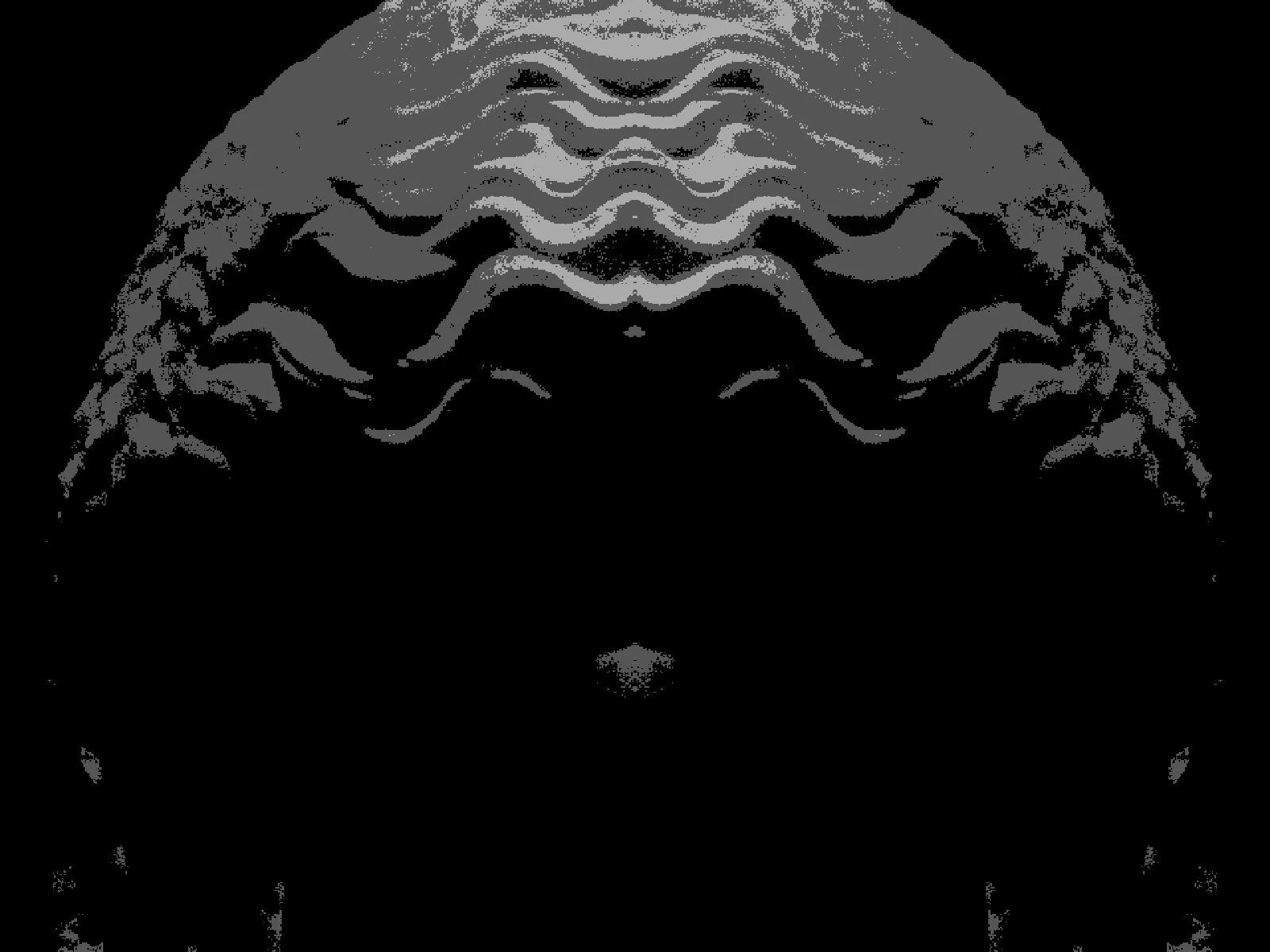
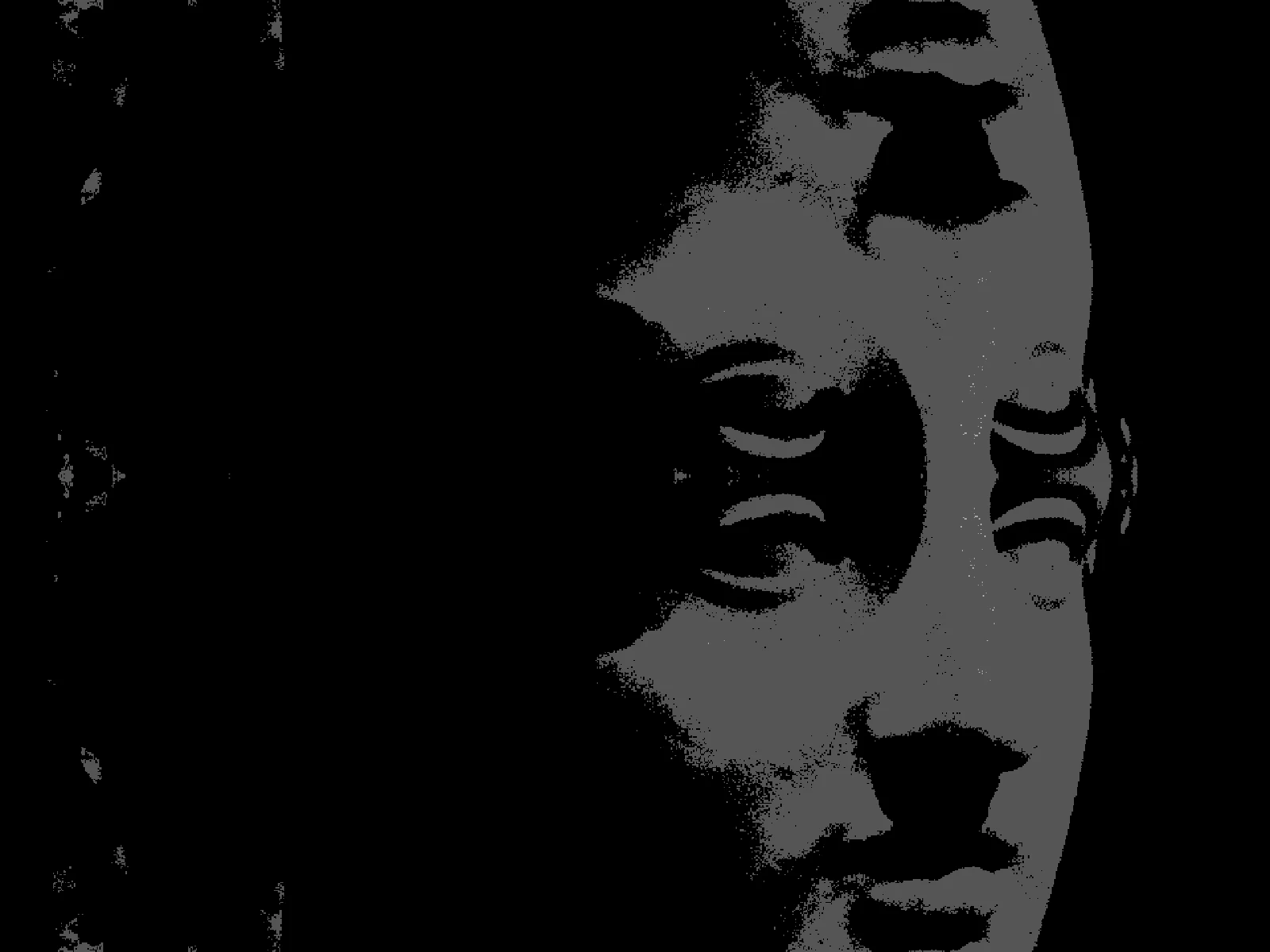
This effect reflects part of the frame across an axis rather than warping the image, so no pixel is stretched and the source palette survives untouched. MODE selects the fold: L>R and R>L mirror horizontally in either direction, T>B and B>T mirror vertically, and QUAD folds both axes at once for a four-way kaleidoscopic result. OFFSET from 0 to 1 moves the mirror line away from the frame centre, which is what stops the result looking mechanically centred. In kott the reflection is sampled per pixel, so the seam stays sharp instead of softening where the two halves meet.
04/ FAQ
- What is a mirror effect?
- A mirror effect reflects part of an image across an axis so the result is symmetrical. Unlike a warp it does not stretch anything, so the original detail and colour survive intact.
- How do I avoid a mirrored image looking mechanical?
- Move OFFSET away from 0.5 so the mirror line does not sit on the frame centre. An off-centre fold keeps some asymmetry in the composition while the subject still reads as symmetrical.
- What does QUAD mode do?
- QUAD folds both the horizontal and the vertical axis at once, so one quarter of the frame is reflected into all four. It produces the kaleidoscopic result rather than a simple mirror.