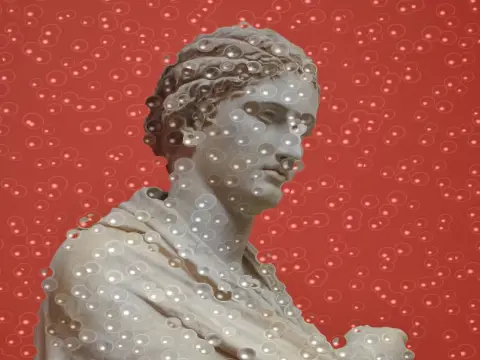
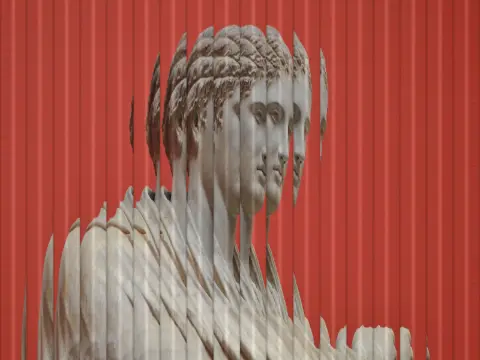
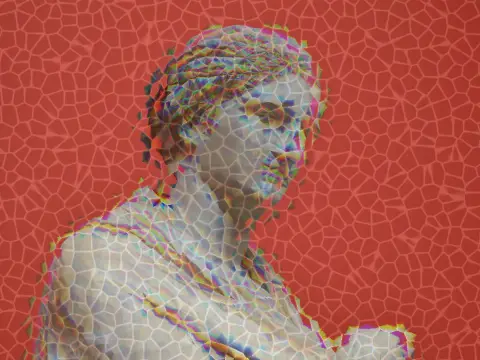
slit scan effect
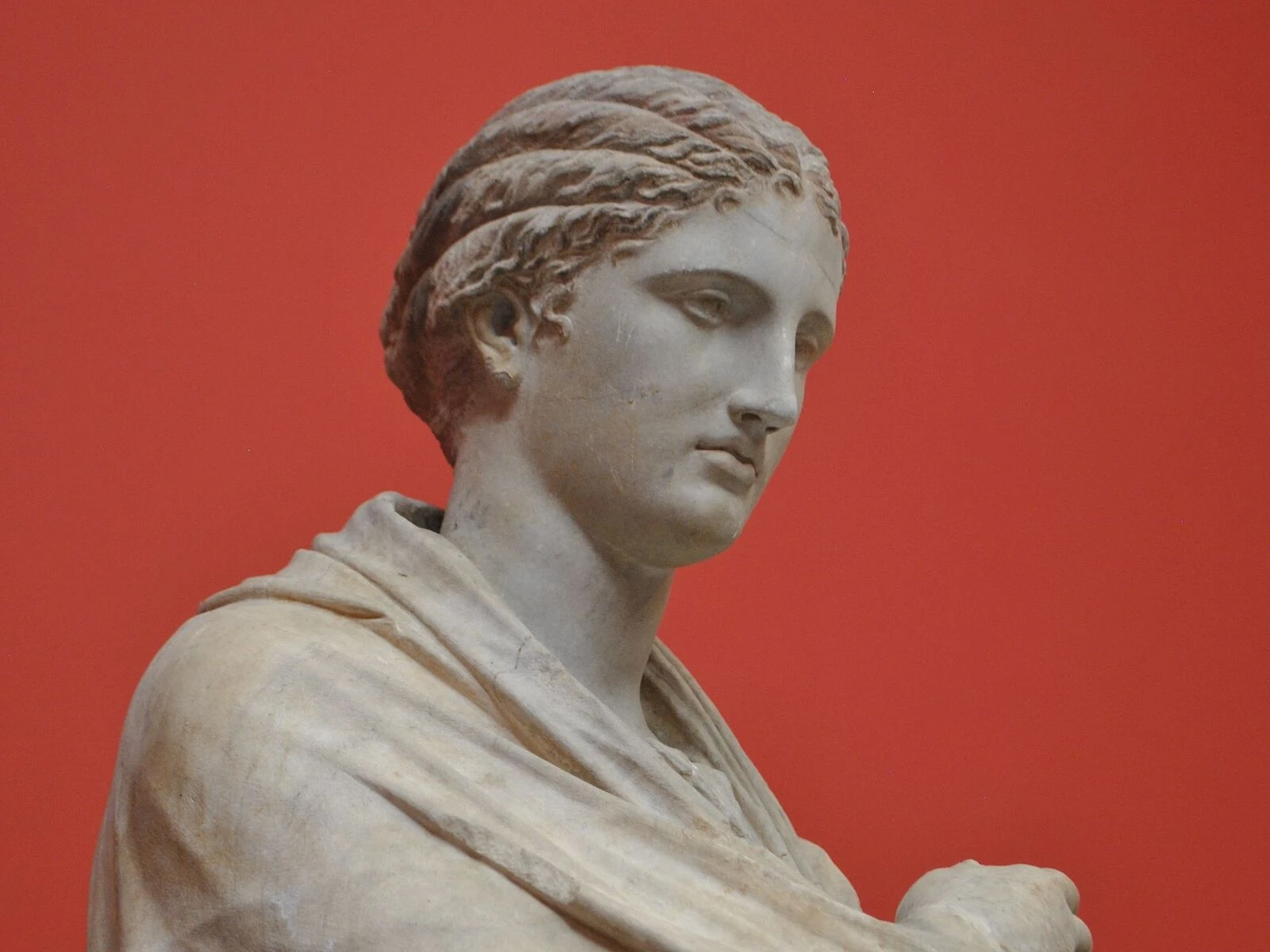
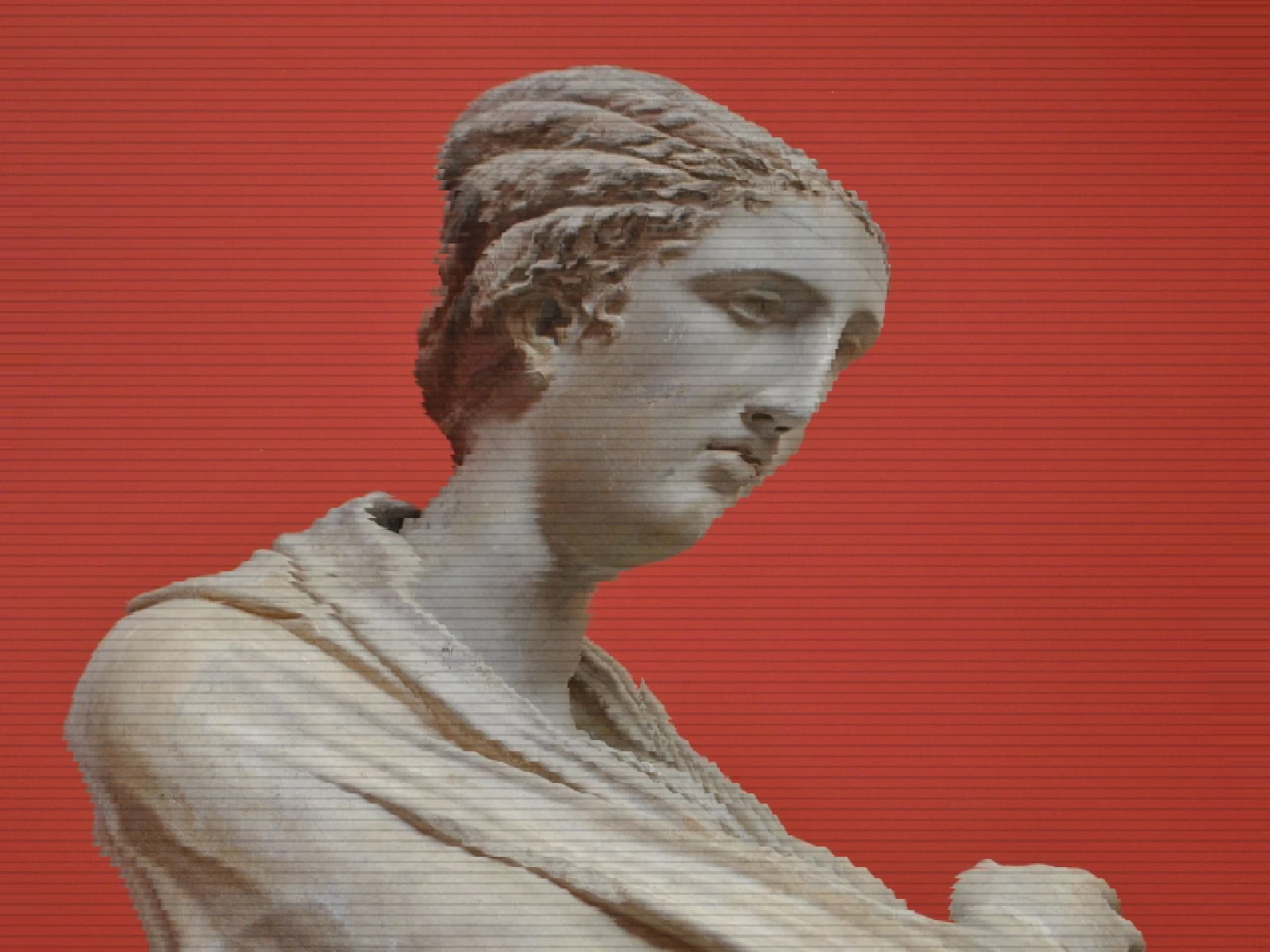 SourceEffect
01/ ORIGIN
A slit-scan camera exposes film through a narrow slit while one or both move, so position across the frame corresponds to time rather than to space. Photo-finish cameras at racetracks work this way, which is why a horse's legs look wrong in the winning photograph. Douglas Trumbull used the technique for the Stargate sequence in 2001: A Space Odyssey in 1968, moving artwork past a slit over long exposures.
02/ MOTION
in motion

03/ SPEC
This effect samples a moving slit across the frame and holds each sampled column, so the horizontal axis of the output represents elapsed time rather than space. BAND from 1 to 8 sets the width of the sampling slit, which determines how much of each instant is captured per column. AMOUNT scales how far the accumulated history extends across the frame, and BOOST is an advanced contrast control on the sampled columns. Because every column comes from a different instant, in kott this page shows a loop: a single frame is one position of the slit and cannot convey that the axis is temporal at all.
04/ FAQ
- What is a slit-scan effect?
- It samples the image through a narrow moving slit and holds each column, so position across the frame corresponds to time rather than space.
- Where is slit-scan used in practice?
- Photo-finish cameras at racetracks, which is why horses' legs look distorted in finishing photographs, and famously in the Stargate sequence of 2001: A Space Odyssey in 1968.
- Why does the image look stretched?
- It is not stretched. Each column was recorded at a different moment, so anything that moved during the sweep appears smeared along the axis that represents time.