bitcrush effect

 SourceEffect
01/ ORIGIN
Bit depth was a hardware budget before it was an aesthetic. Early displays and consoles allotted a fixed handful of bits per channel because memory cost real money, and artists worked inside those limits deliberately, choosing palettes that survived the reduction. Audio borrowed the word first: bitcrushing was a deliberate destructive effect on samplers long before anyone applied it to pictures. Both come from the same idea, that a shortage of precision has a sound and a look of its own.
02/ SWEEP
BITS sweep

03/ SPEC
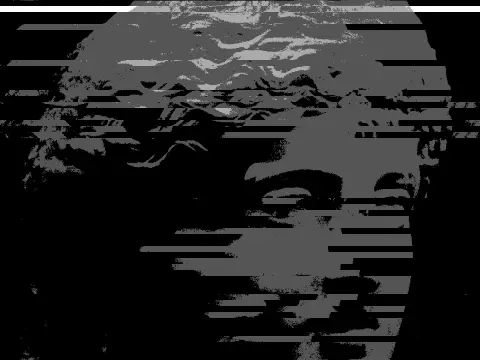
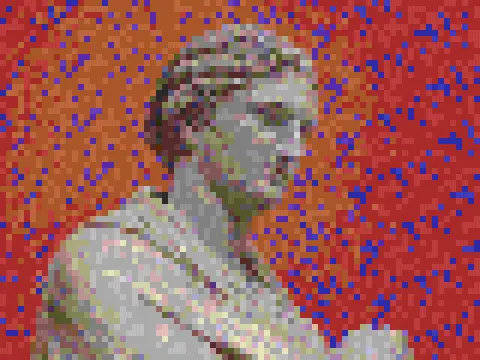
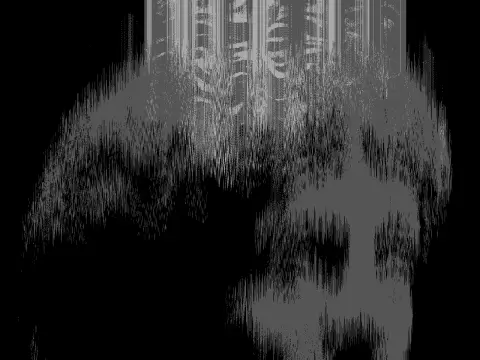
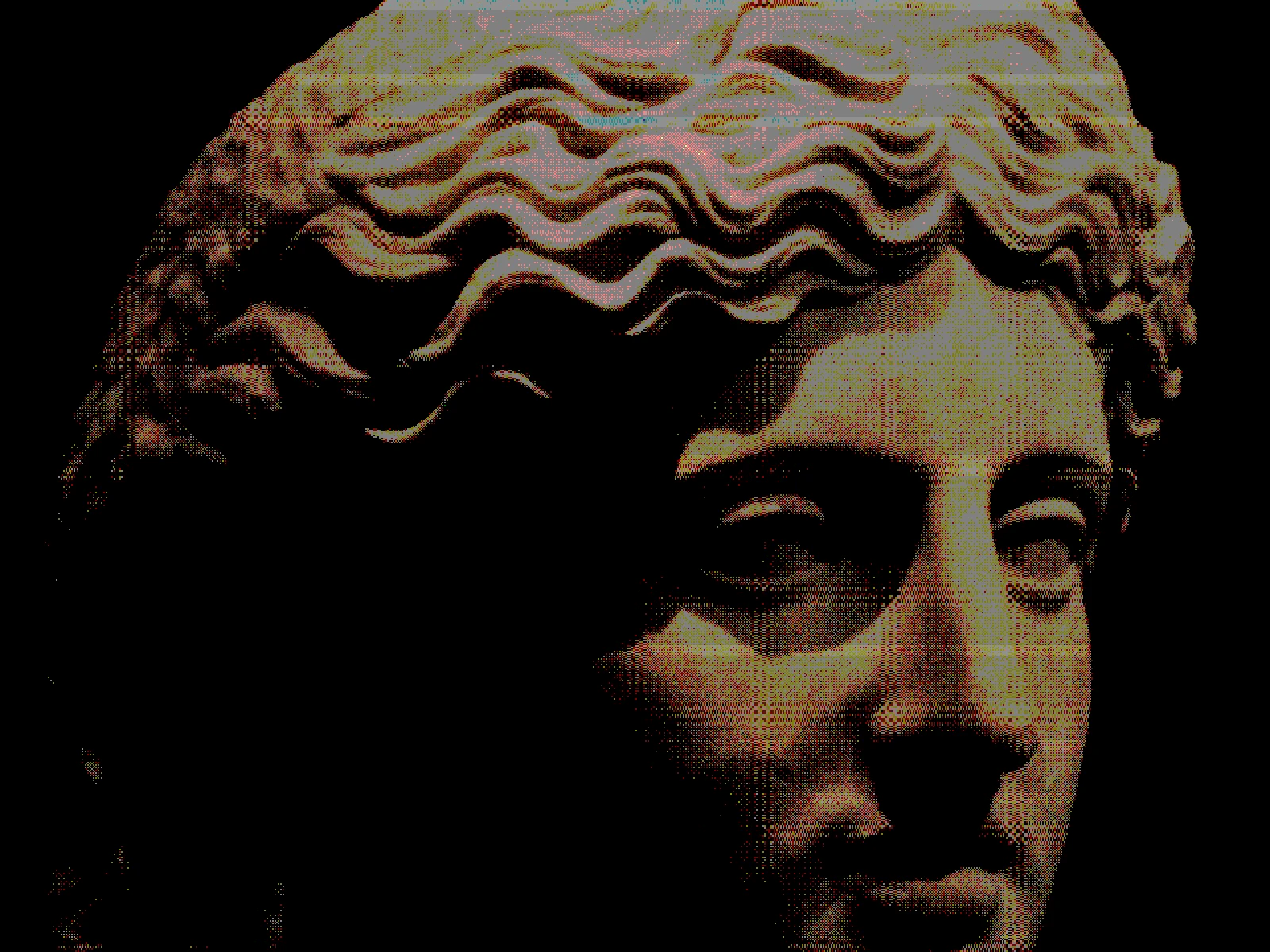
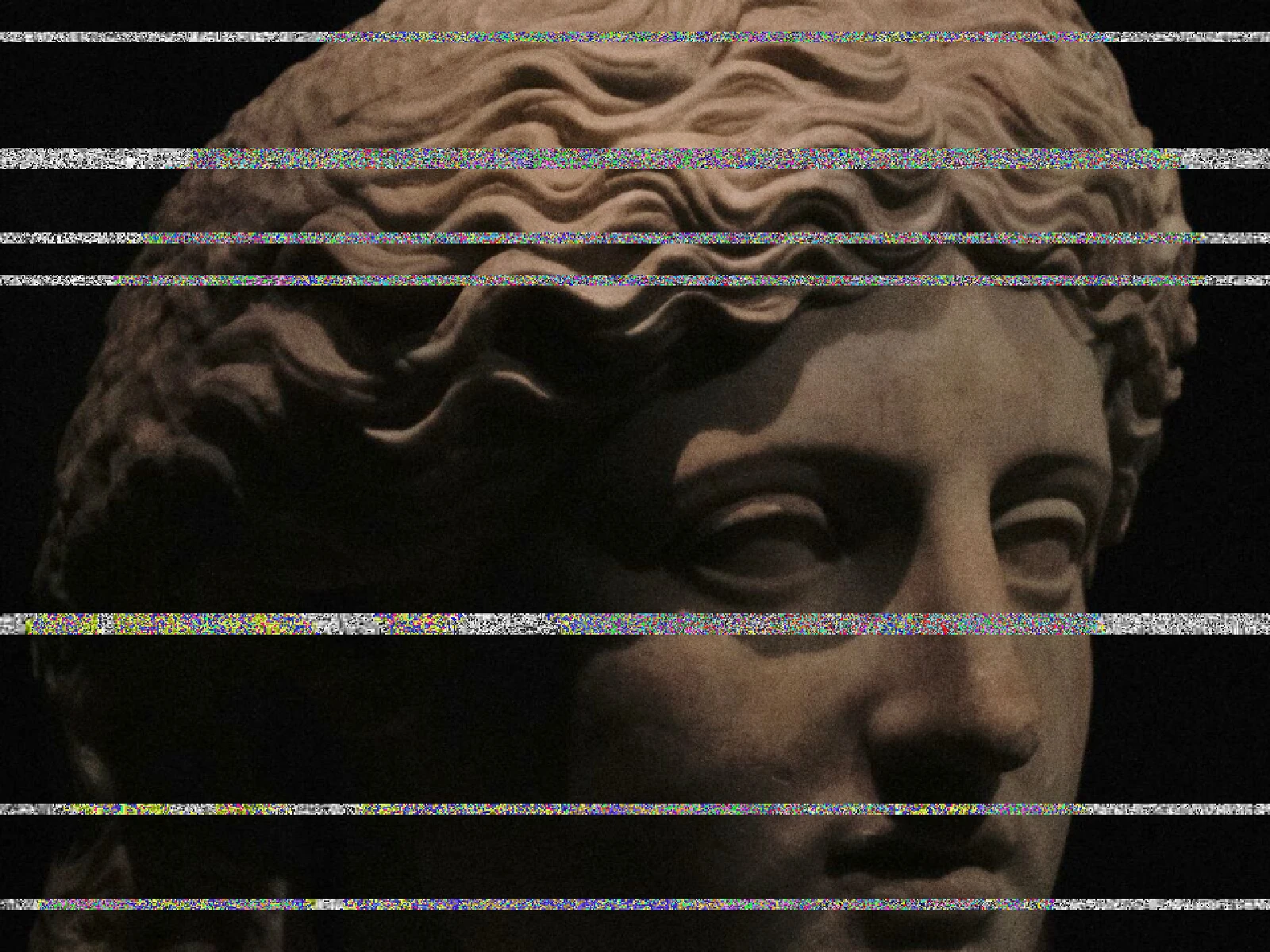
This effect quantises each colour channel to a reduced bit depth and can corrupt the resulting values, so smooth gradients collapse into visible steps and colours shift to the nearest survivor. BITS runs from 1 to 8 with a default of 3, where 1 leaves two values per channel and 8 is effectively untouched. CORRUPT from 0 to 1 randomly flips low-order bits, which produces the bands of wrong-colour noise that separate this from plain posterisation and which persist at every BITS value. DITHER breaks the quantisation boundaries into grain rather than hard bands. In kott it operates per channel, so reductions are visible in colour as well as in tone.
04/ FAQ
- What is a bitcrush effect?
- A bitcrush effect reduces the number of bits describing each colour channel, so gradients collapse into visible steps and colours snap to a small set of survivors.
- What is the difference between bitcrush and posterize?
- Both reduce tonal steps. Posterisation divides the range evenly and stops there. Bitcrush works in binary depth and can corrupt low-order bits, which produces wrong-colour speckle rather than clean bands.
- What BITS value gives a retro console look?
- Two or three per channel matches the palettes of early consoles and displays. At 1 the result is closer to a hard two-tone reduction than to a limited palette.