echo effect
 SourceEffect
01/ ORIGIN
Analogue video delay was built from lines: a signal sent down a long path arrives late, and mixing the late copy back with the live one produces a visible echo. Broadcast engineers spent years suppressing exactly this, because an unwanted delayed reflection ruins a picture. Video artists in the 1960s and 70s ran toward it instead, and the ghost trail became one of the first recognisably electronic images.
02/ MOTION
in motion

03/ SPEC
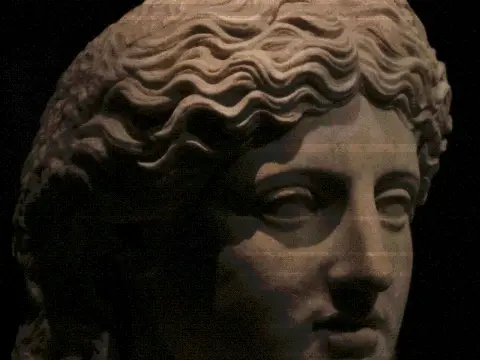
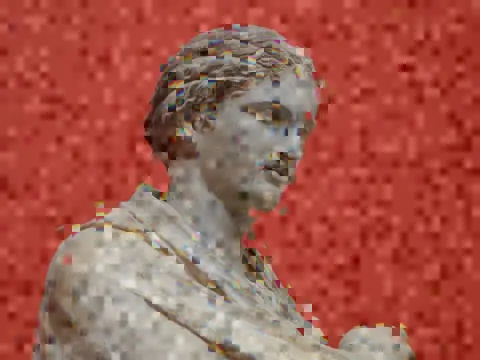
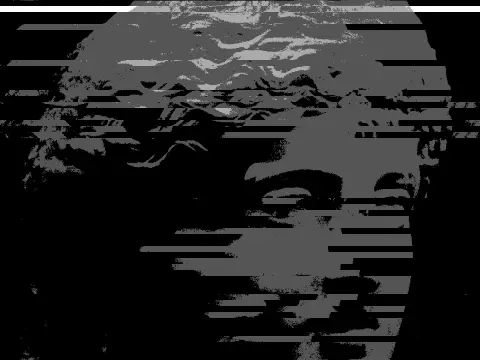
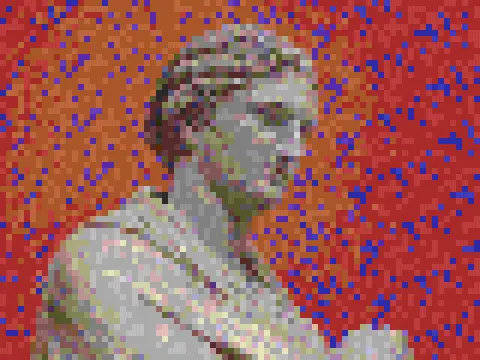
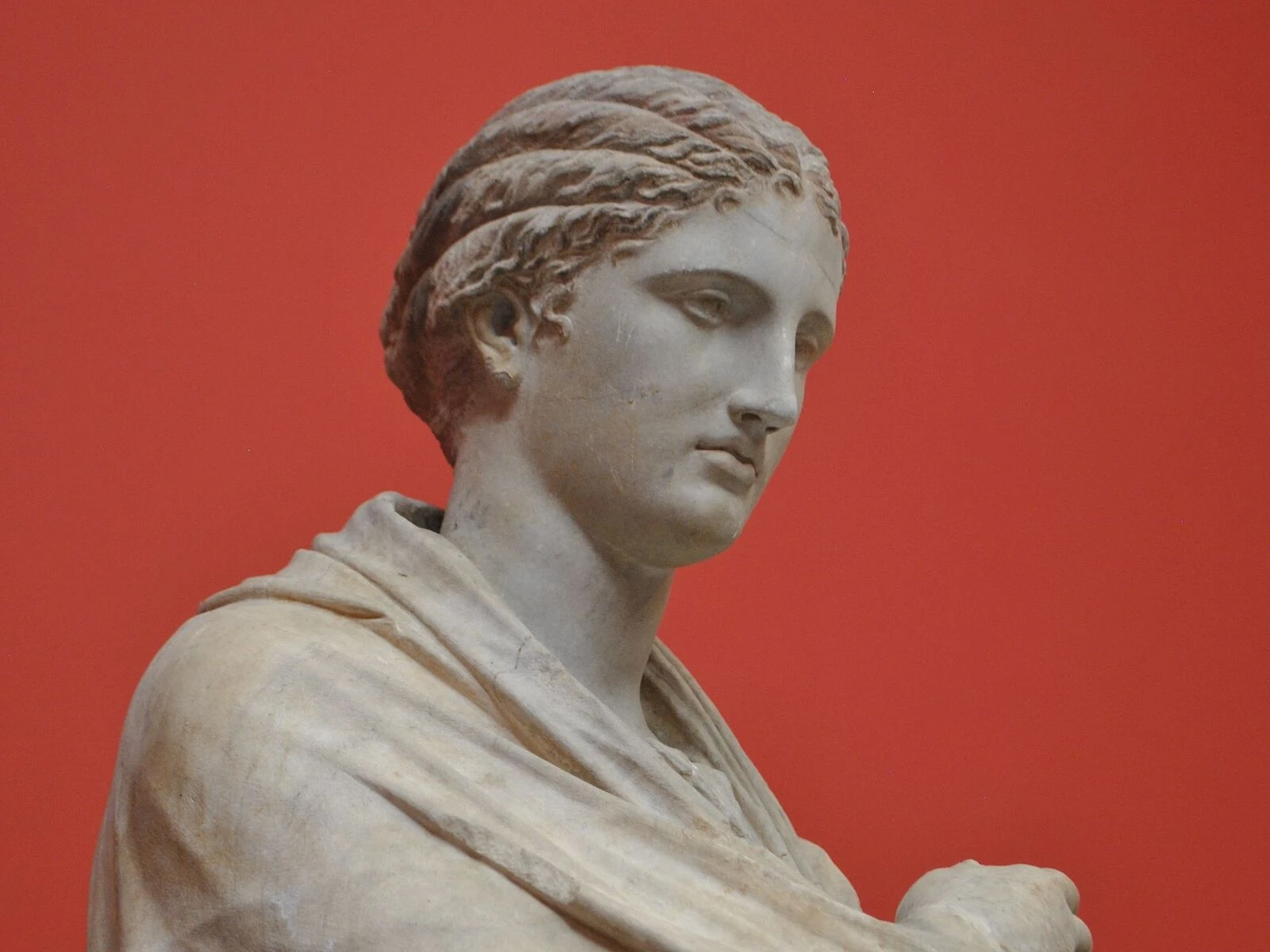
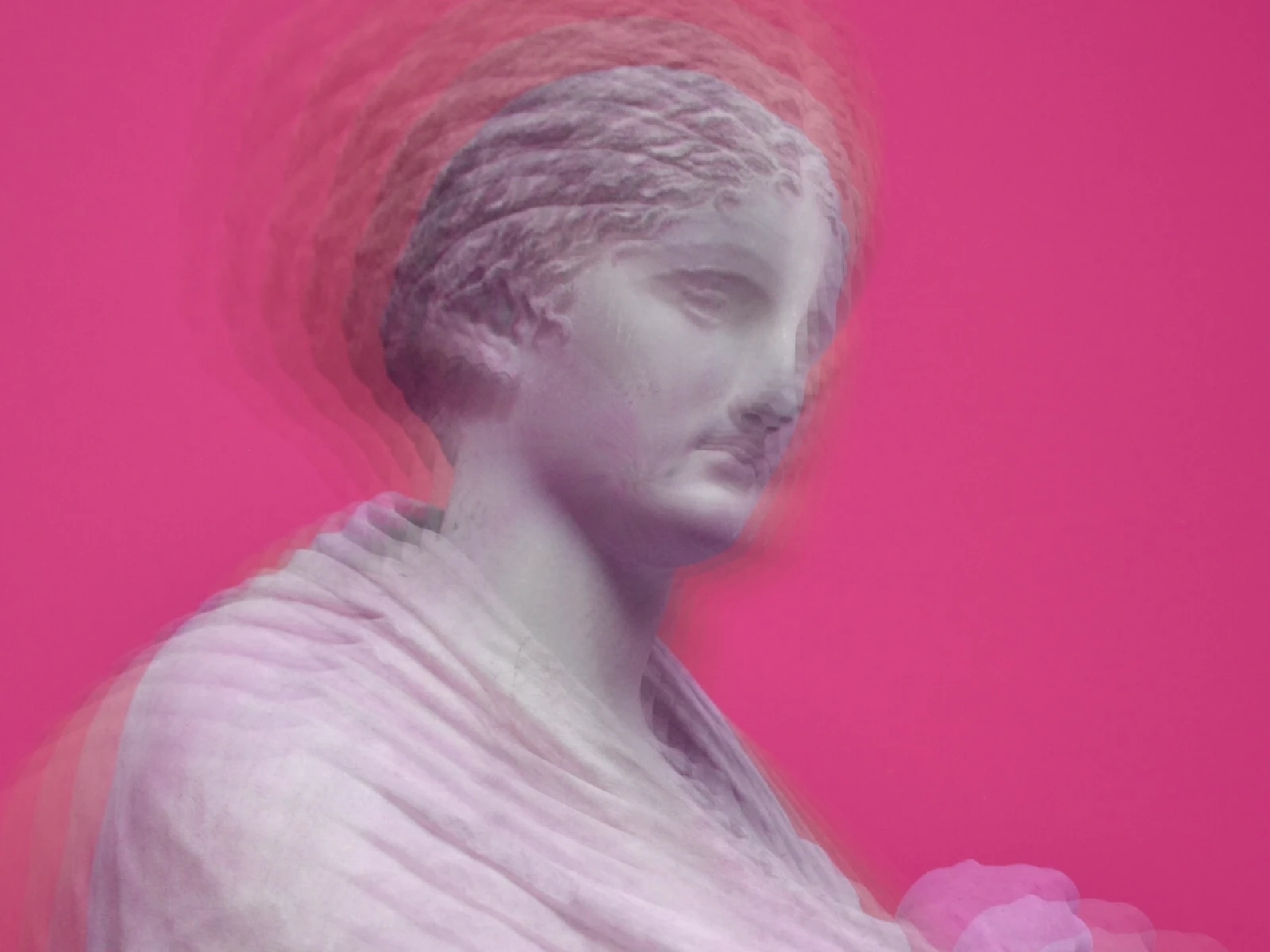
This effect mixes delayed copies of previous frames back into the current one at an offset, so each repeat arrives displaced and attenuated. TAPS from 3 to 8 sets how many delayed copies are mixed back, which is literally how many echoes appear. SPREAD sets the offset between them, and GAIN is an advanced control over how quickly successive repeats fade. Because the repeats are drawn from frame history, in kott this page shows a loop: on a single still every echo lands in the same place as the original and the effect is invisible.
04/ FAQ
- What is a video echo effect?
- It mixes delayed copies of previous frames back into the current image at an offset, so each repeat appears displaced and fainter, producing a visible ghost trail behind movement.
- Where did video echo come from?
- Analogue delay lines. A signal sent down a long path arrives late, and mixing it back with the live feed produces an echo. Engineers suppressed it; video artists in the 1960s pursued it.
- What is the difference between echo and motion trail?
- A motion trail blends a continuously decaying accumulation. An echo mixes back discrete delayed copies at an offset, so the repeats read as separate ghosts rather than as a smear.