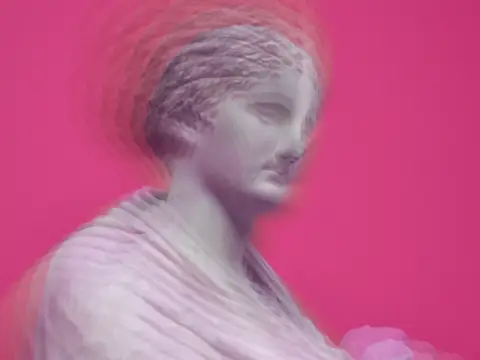
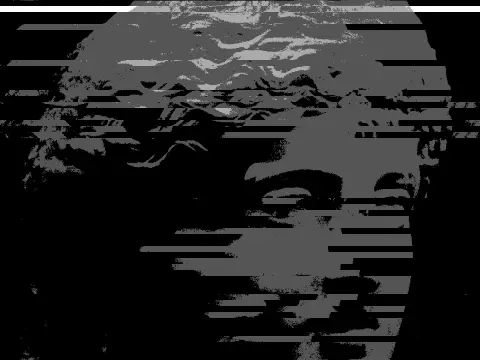
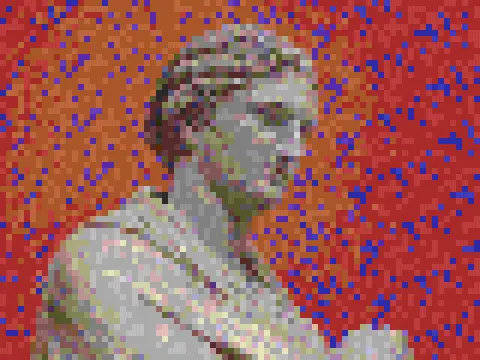
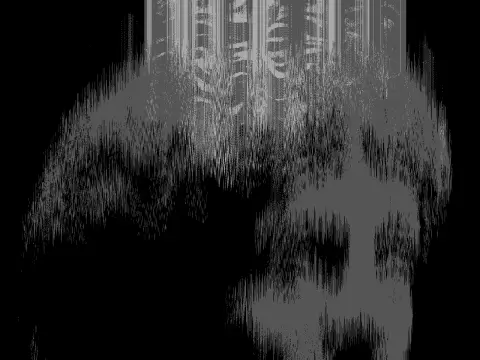
datamosh effect

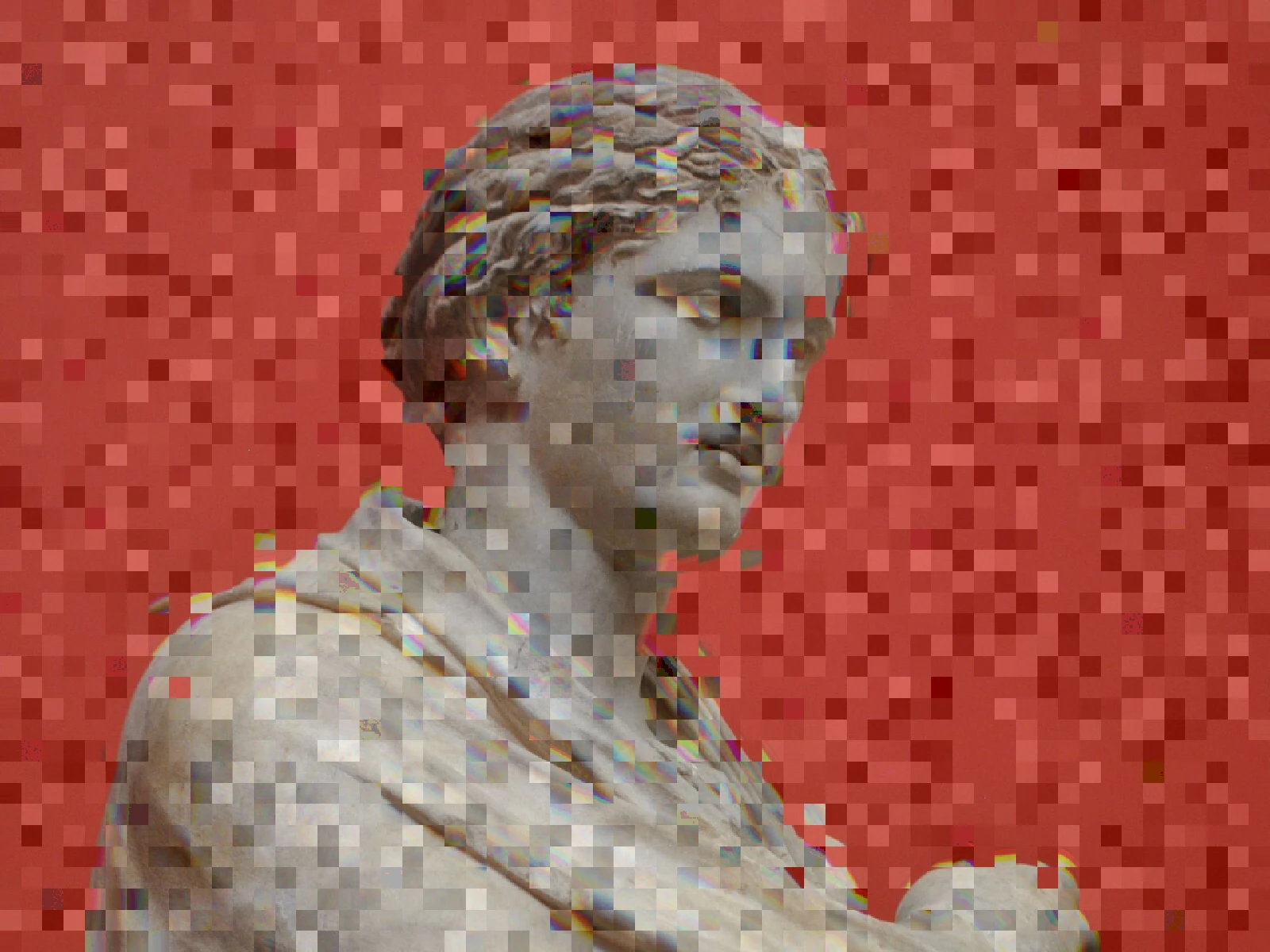 SourceEffect
01/ ORIGIN
Video compression only stores full pictures occasionally; between them it stores motion vectors describing how blocks moved. Delete the full frames and the motion keeps applying, smearing one shot's movement across another's image. Artists worked this out in the 2000s, and two music videos in 2009, Chairlift's Evident Utensil and Kanye West's Welcome to Heartbreak, took it from a forum technique to a recognisable look within about a month of each other.
02/ SWEEP
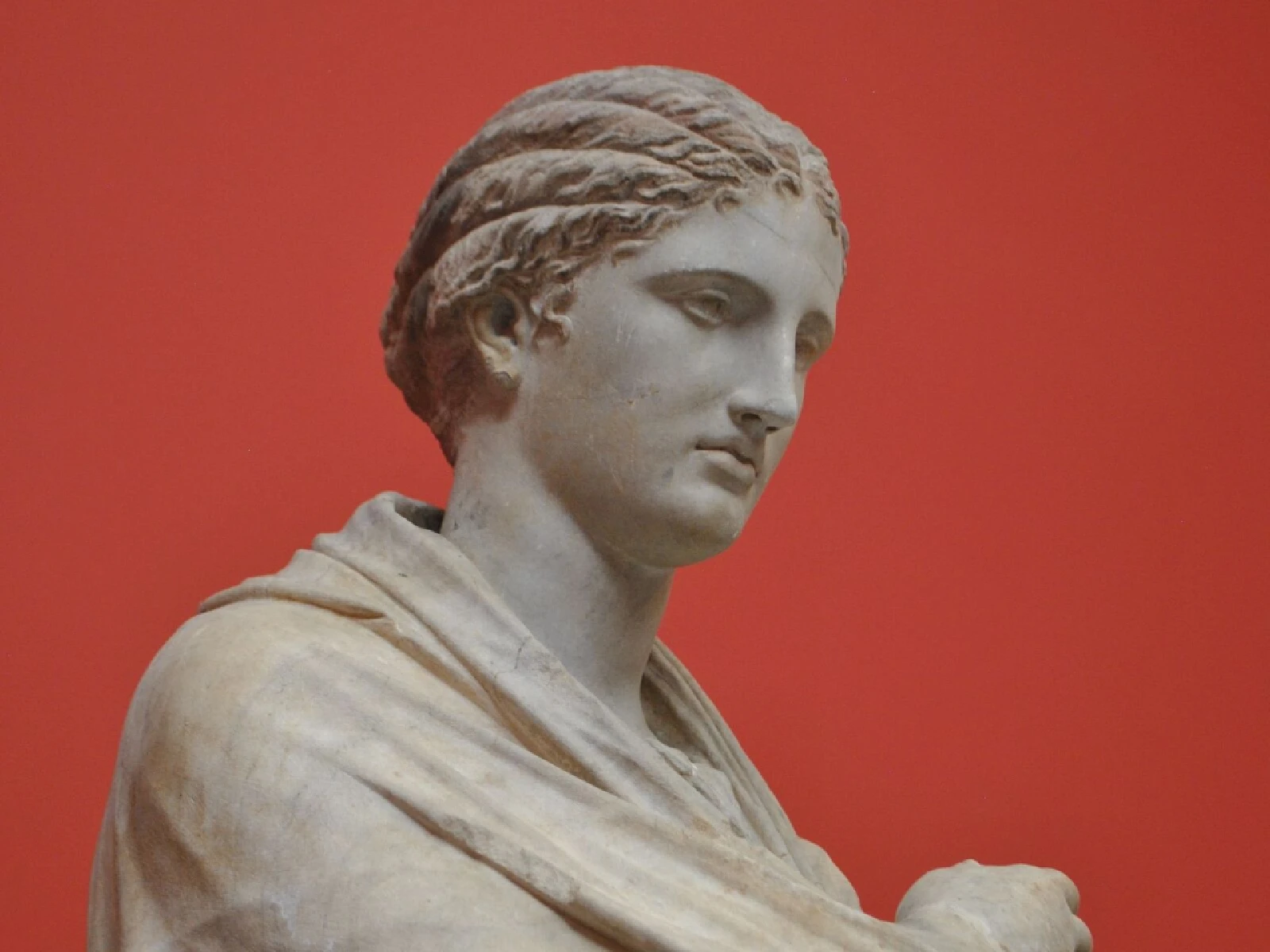
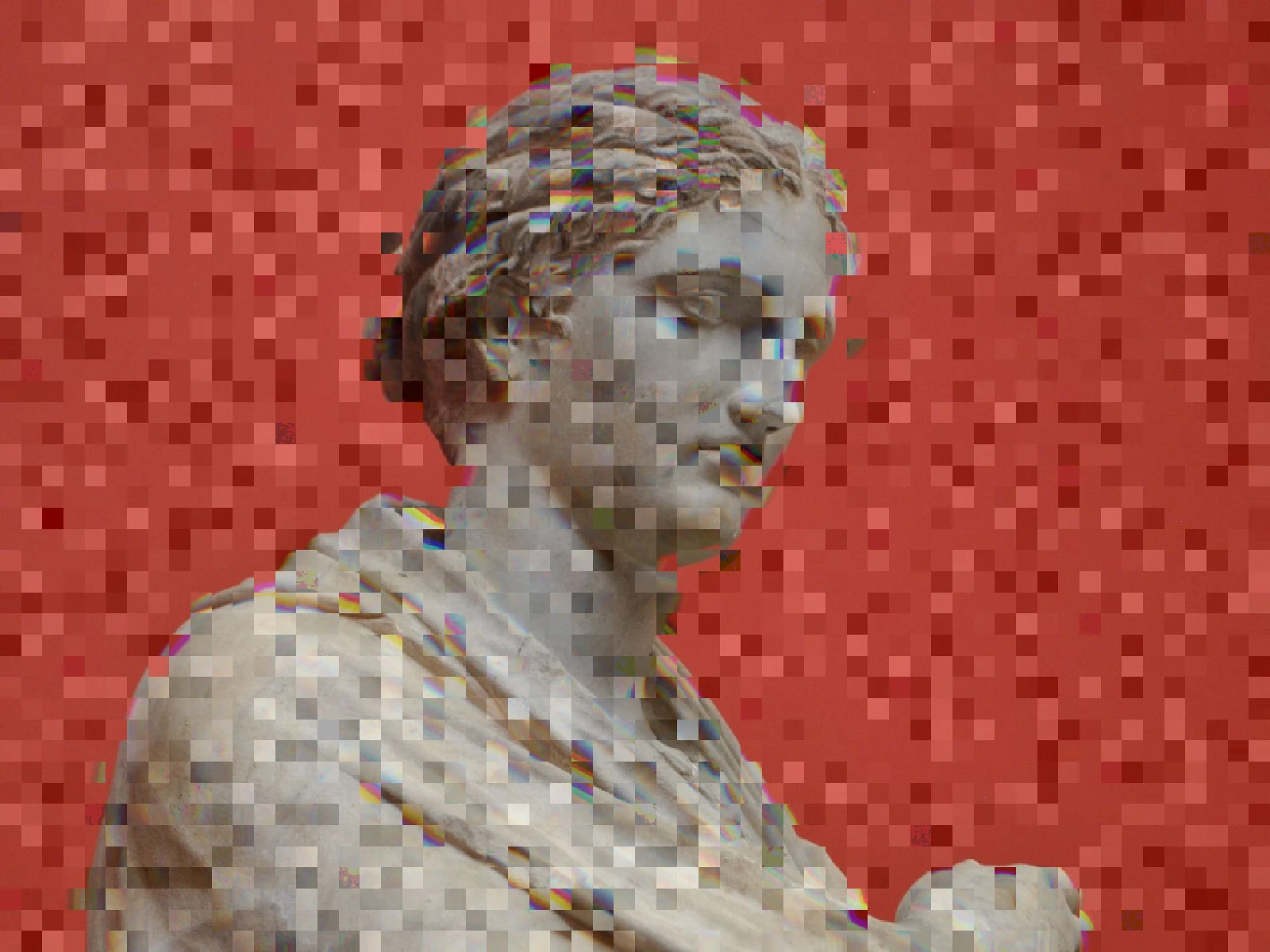
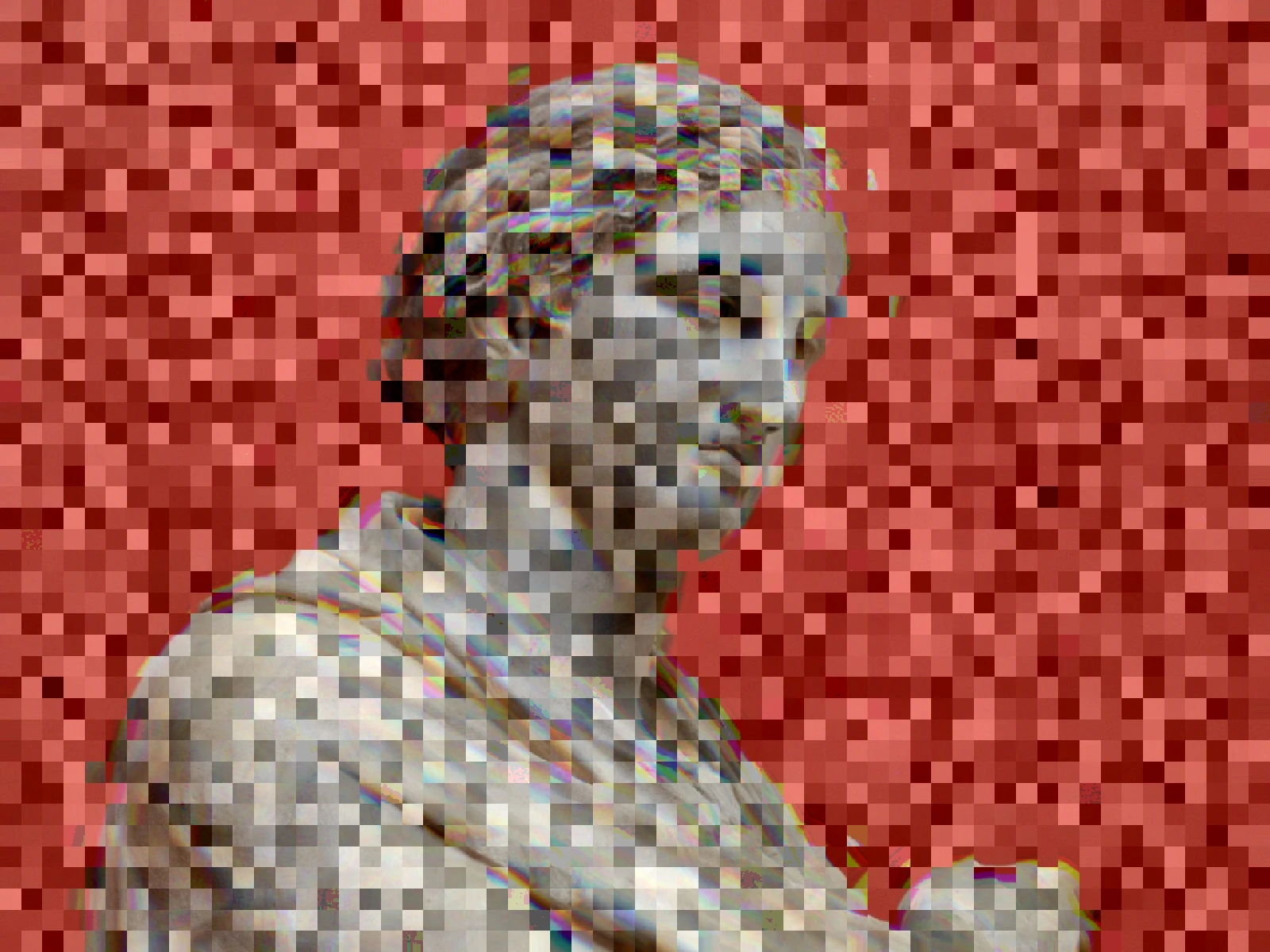
AMOUNT sweep
03/ SPEC
This effect imitates interframe compression failure on a still, displacing blocks of the image as though motion vectors from another frame were being applied to it. AMOUNT runs from 0 to 1 with a default of 0.6 and scales the whole effect, where 0 is a clean pass-through. BLOCK from 1 to 8 pixels sets the macroblock size, which is what makes the displacement read as compression rather than as a smear. DISPLACE controls how far blocks travel, and CRUSH is an advanced control reducing levels. Real datamoshing needs moving footage; in kott this reproduces the look on a single frame.
04/ FAQ
- What is datamoshing?
- Datamoshing exploits how video compression stores motion rather than whole pictures. Removing full reference frames makes motion data apply to the wrong image, smearing one shot across another.
- Can you datamosh a still image?
- Not literally, since there is no motion data to misapply. This effect reproduces the visual result on a single frame by displacing macroblocks as though vectors from elsewhere were applied.
- What does BLOCK control?
- Macroblock size. Compression works on blocks rather than pixels, so a visible block grid is what makes the displacement read as codec failure instead of as a generic smear.