macroblock effect

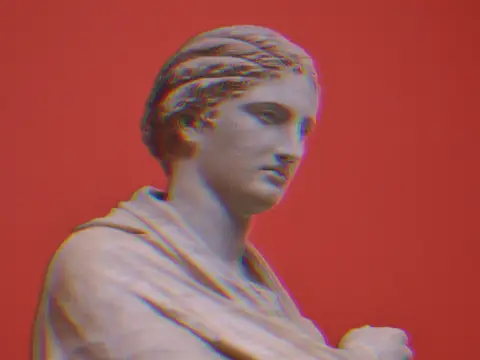
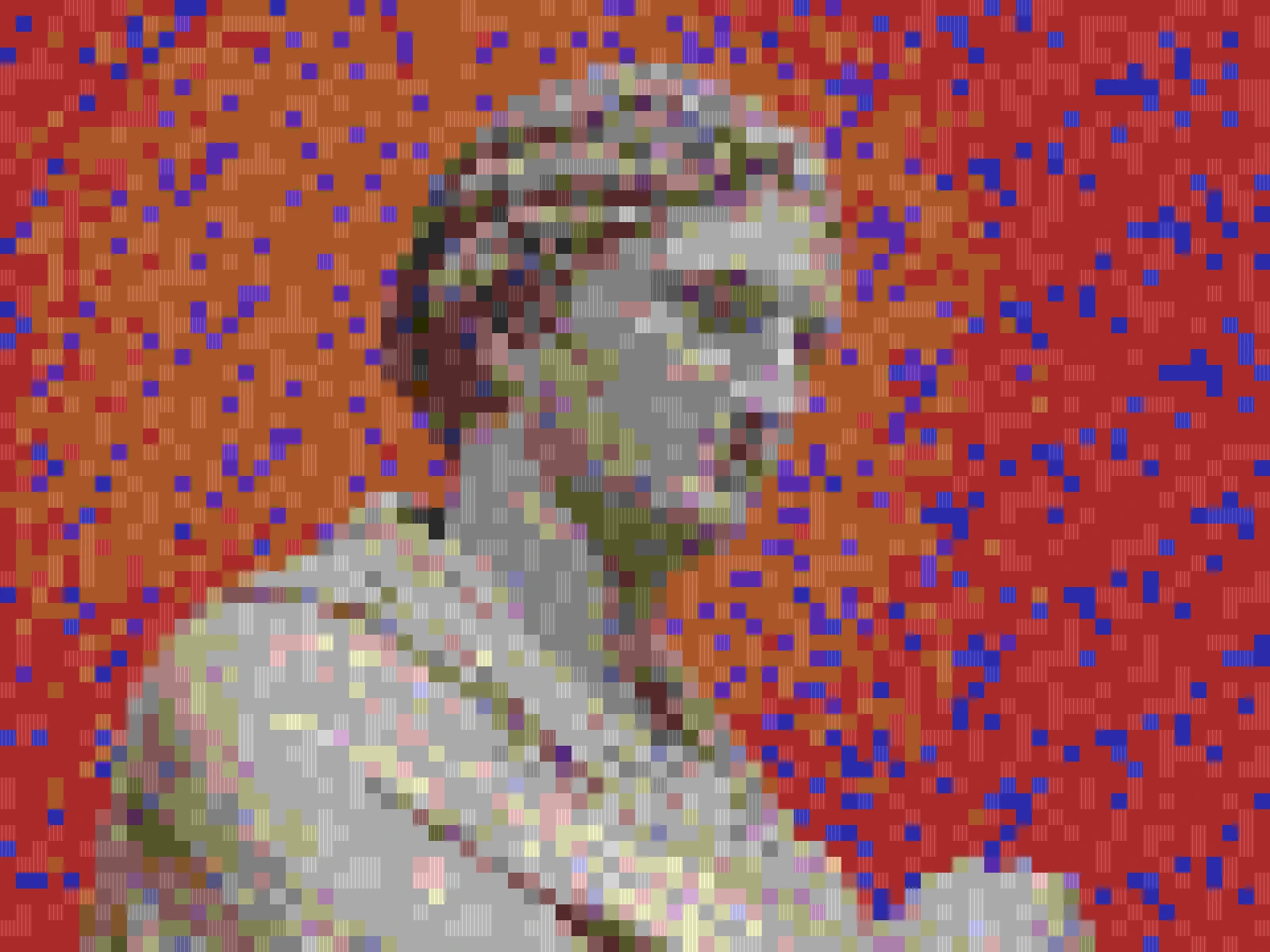 SourceEffect
01/ ORIGIN
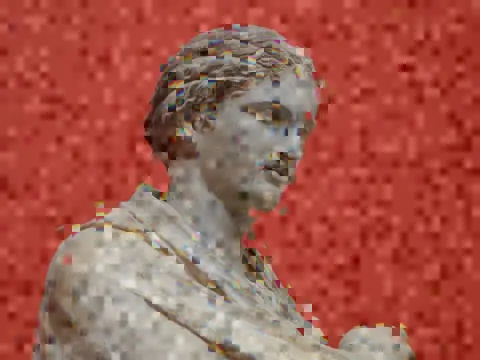
Almost every image and video codec in use divides the frame into blocks and transforms each one independently, JPEG at eight by eight and video standards at sixteen. That independence is what makes compression tractable and also what makes it visible: each block quantises without regard to its neighbours, so at low bitrates the seams between them stop matching and the grid surfaces. The artifact everyone recognises is the algorithm's own working structure showing through.
02/ SWEEP
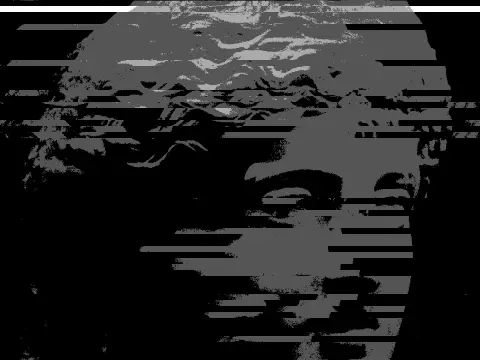
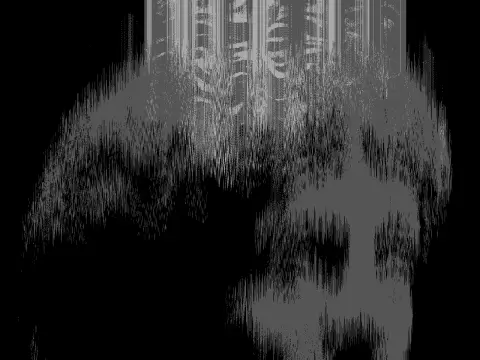
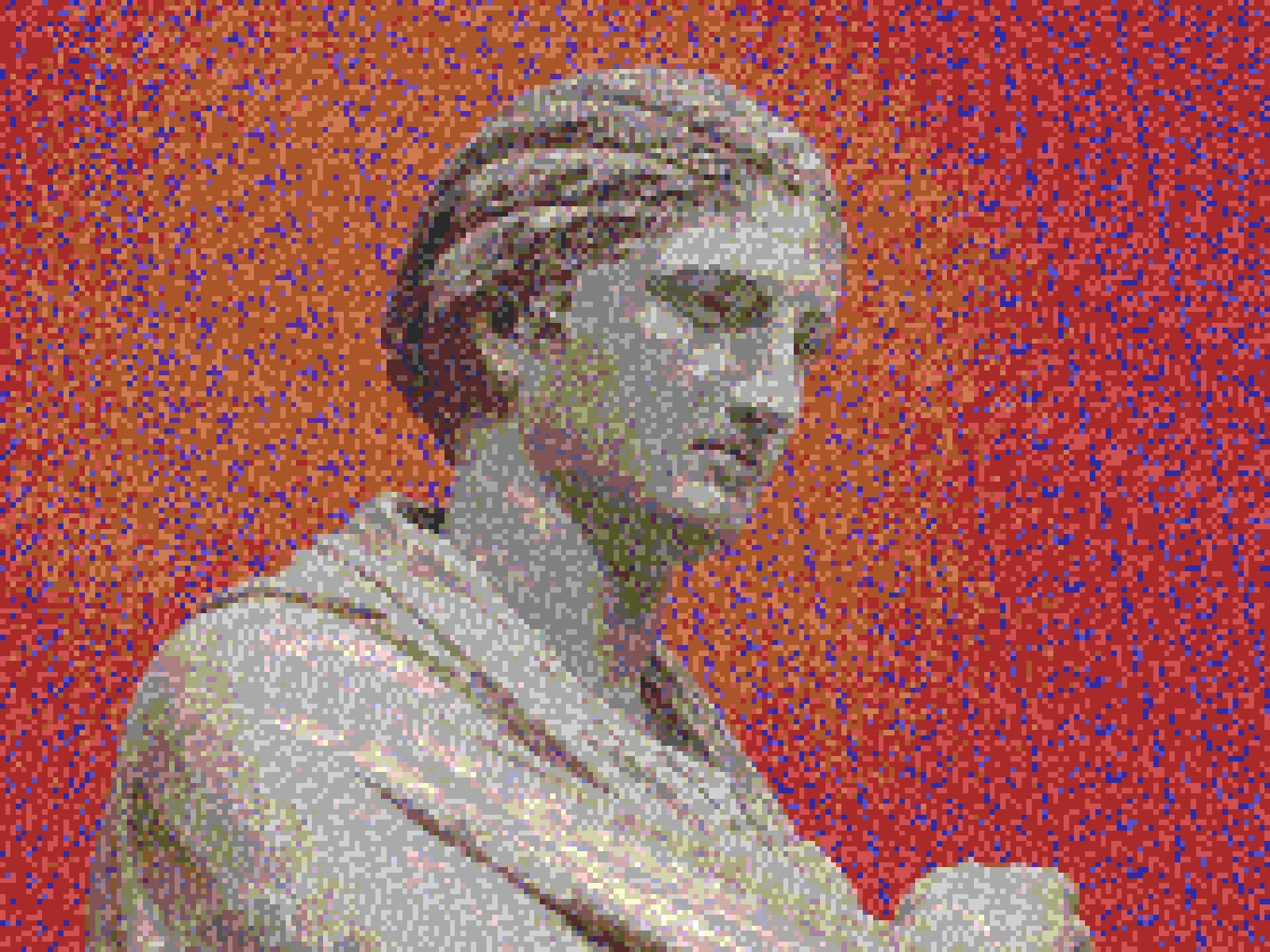
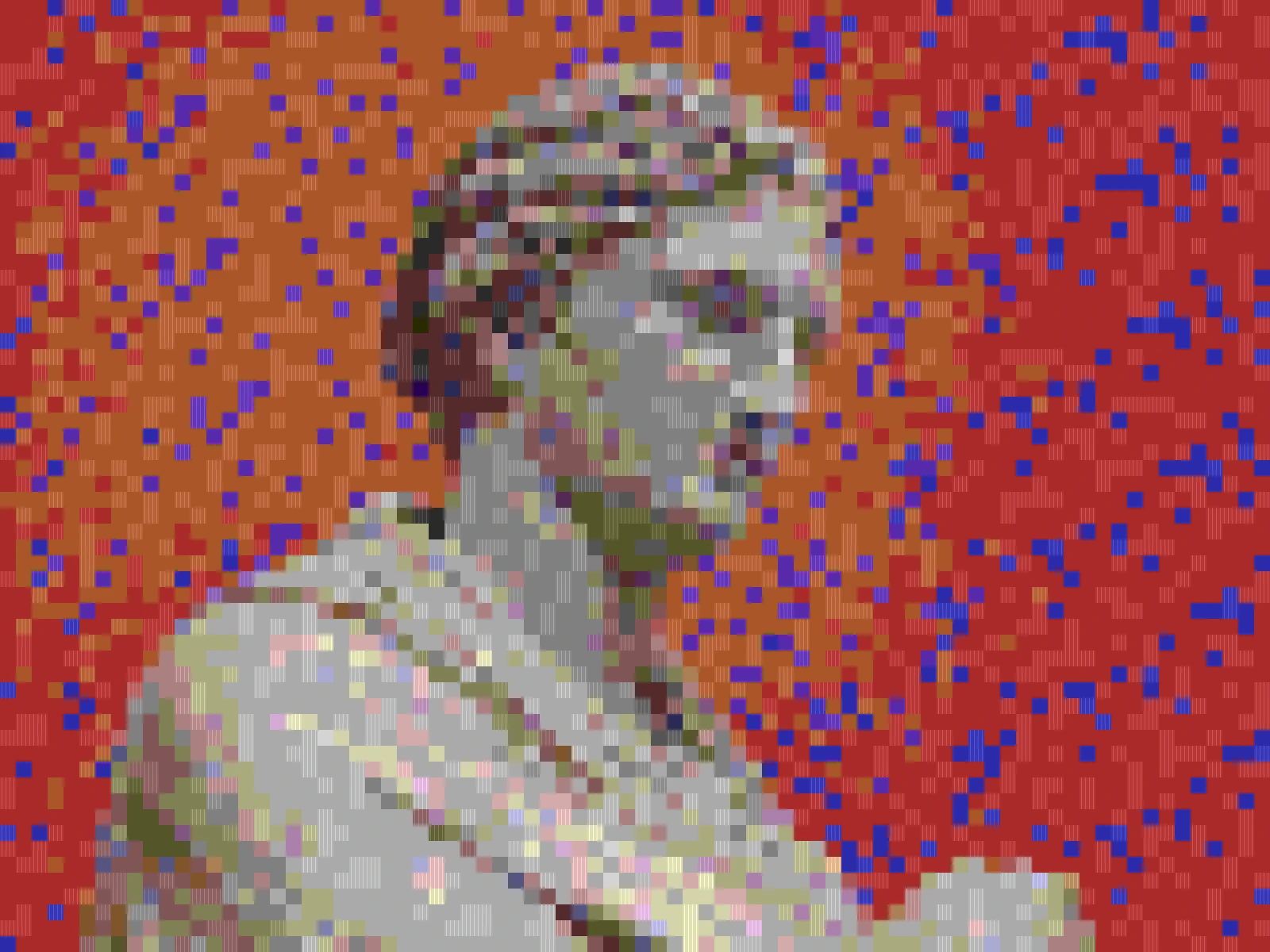
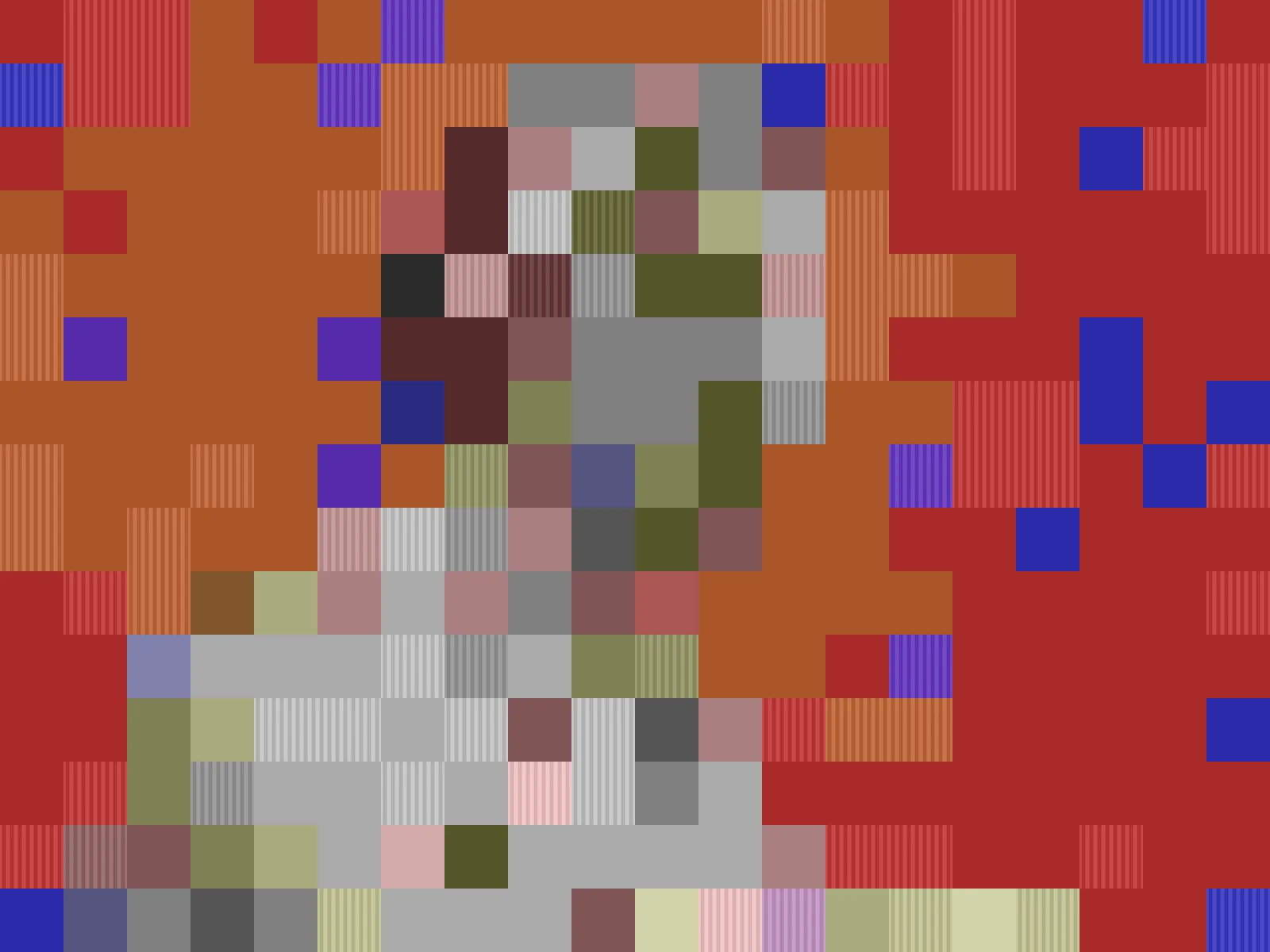
BLOCK sweep
03/ SPEC
This effect divides the frame into blocks and quantises each independently, reproducing codec behaviour rather than adding a grid overlay. BLOCK runs from 4 to 48 pixels with a default of 12 and sets the block size, which is the control that decides whether the result reads as JPEG at low quality or as heavy video compression. LEVELS sets the quantisation depth within each block, RINGING adds the edge oscillation that transforms produce near hard contrast, and CORRUPT flips values for wrong-colour blocks. In kott it renders in natural colour so per-block colour shifts are visible.
04/ FAQ
- What is a macroblock effect?
- It divides an image into blocks and quantises each independently, reproducing how codecs compress, so the block grid surfaces the way it does in a heavily compressed file.
- Why do compression artifacts look like blocks?
- Codecs transform and quantise each block independently for tractability, so neighbouring blocks make different rounding decisions and the seams between them stop matching.
- What is ringing?
- Oscillation near hard edges, produced when a frequency transform cannot represent a sharp transition within its quantised coefficients. It appears as faint ripples beside contrast.