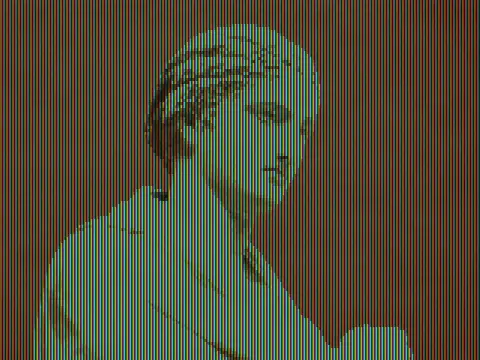
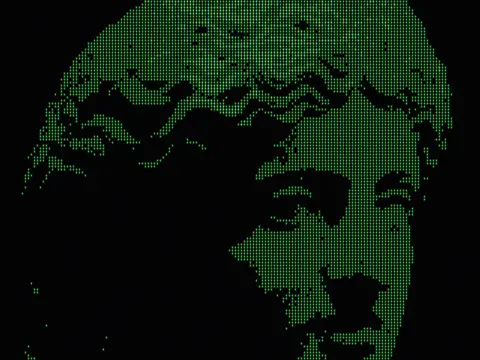
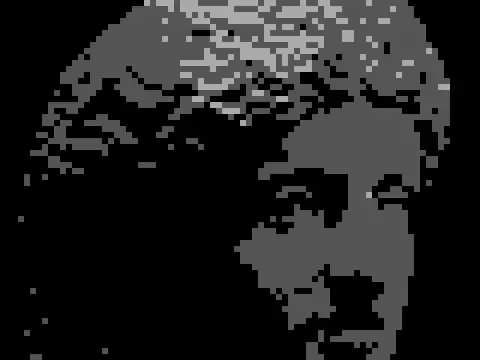
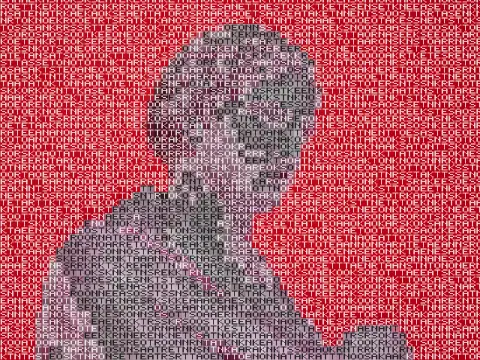
crystallize effect
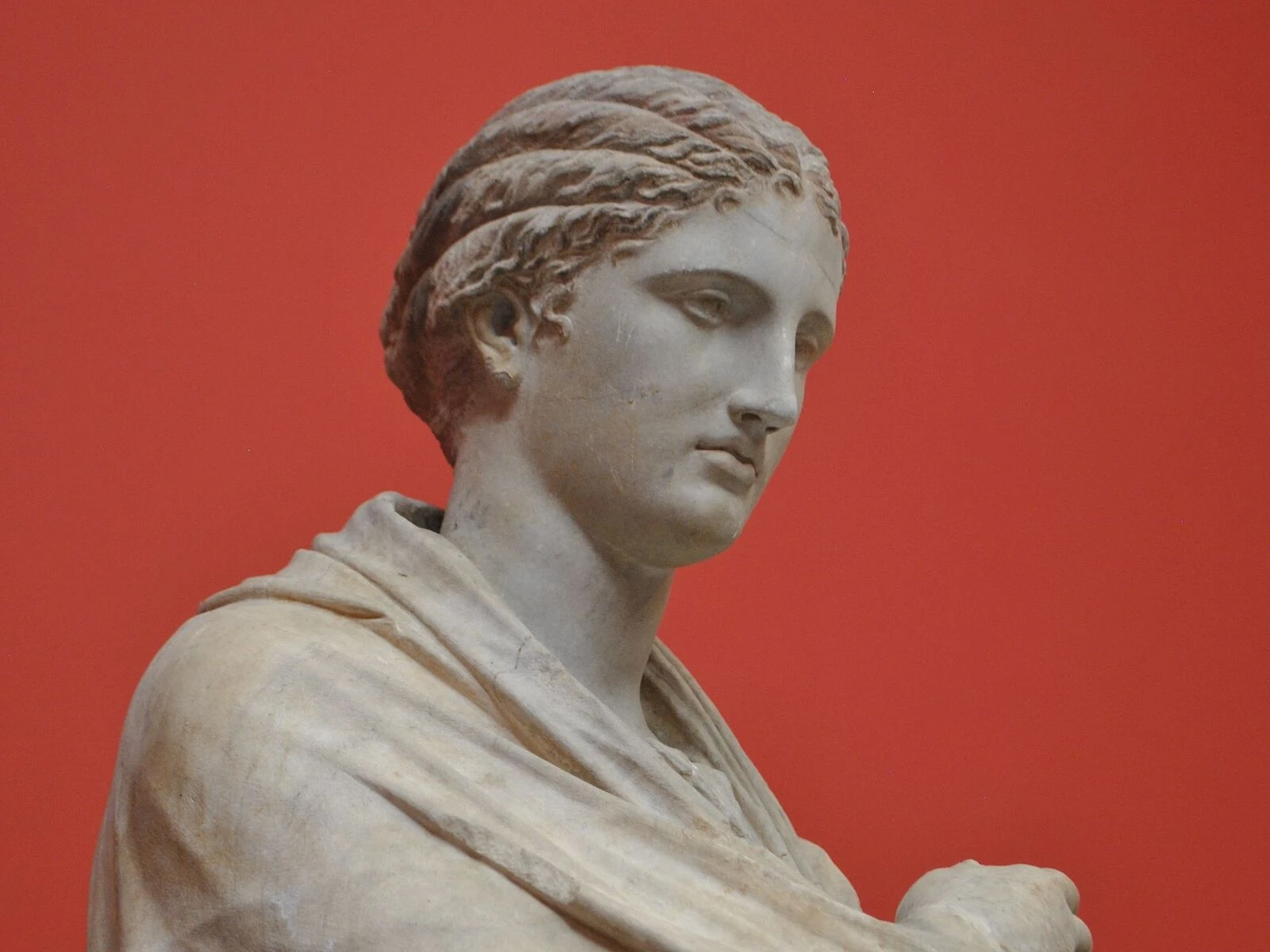
 SourceEffect
01/ ORIGIN
The structure is a Voronoi diagram, named for Georgy Voronoy who formalised it in 1908, though the idea is older and Descartes sketched something like it in 1644. Assign a set of seed points, then give every location to whichever seed is closest. It describes crystal growth, cell packing, mobile phone coverage and how a forest divides light, which is why the result reads as organic rather than designed despite being pure arithmetic.
02/ SWEEP
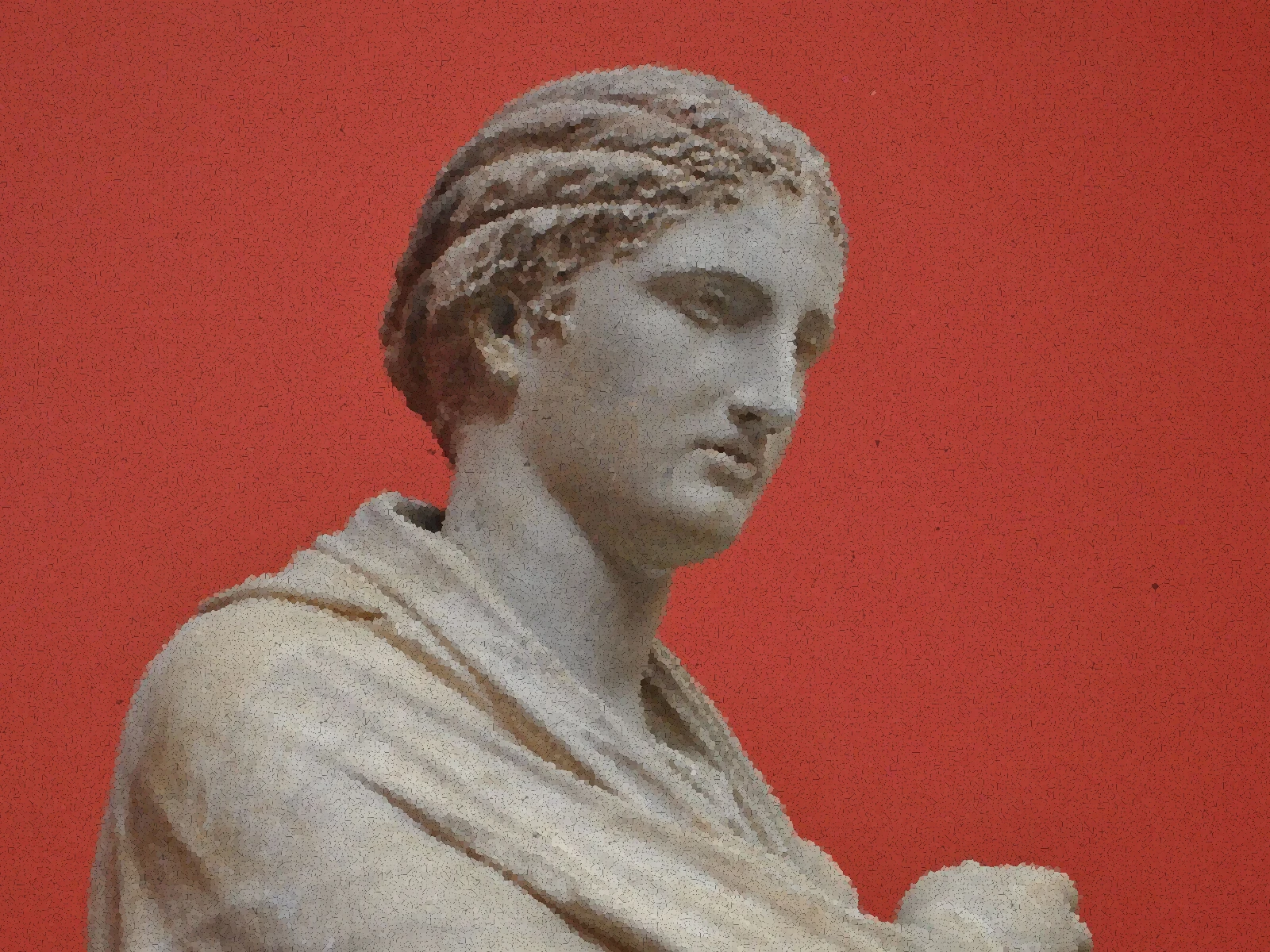
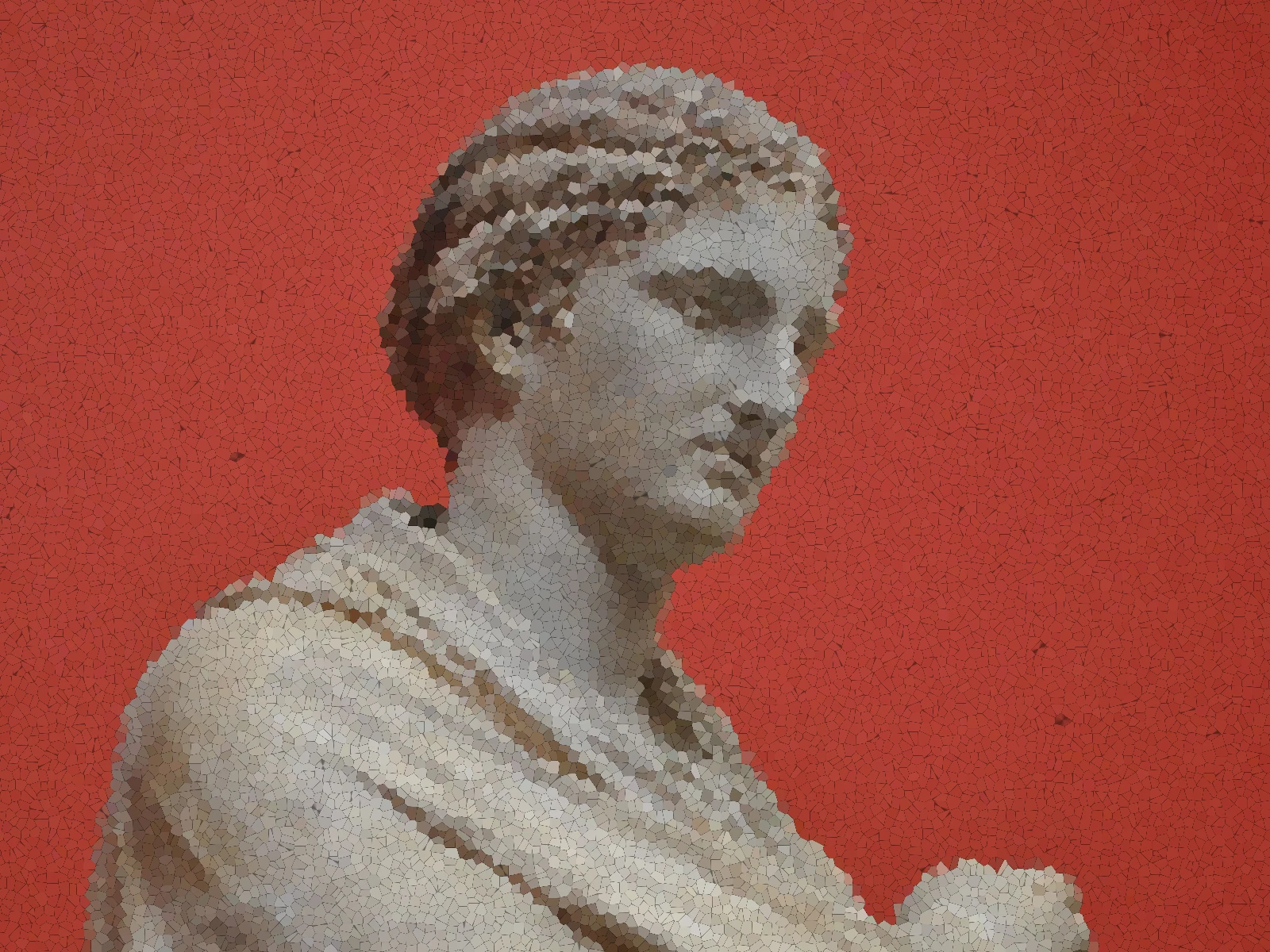
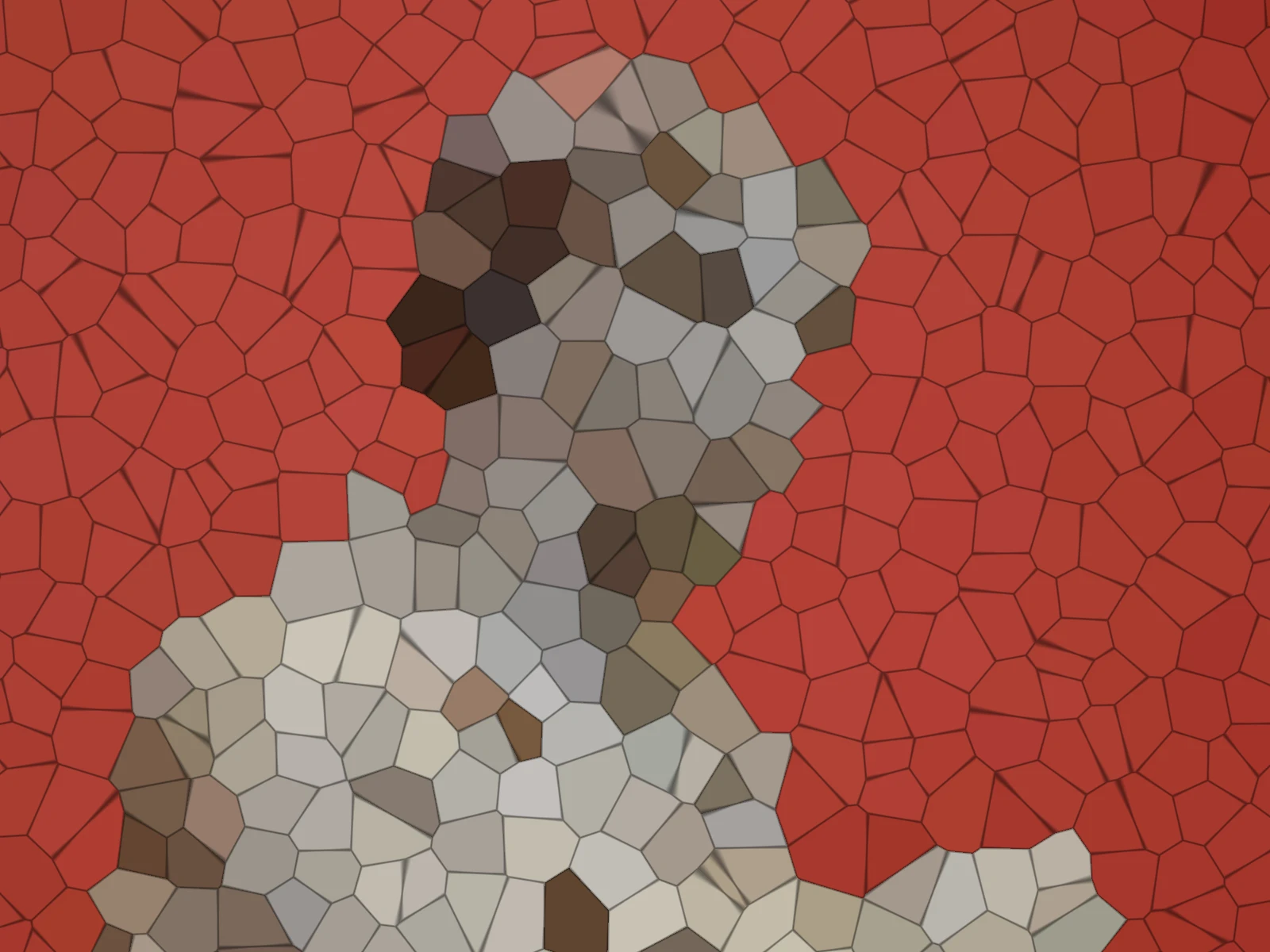
FACET SIZE sweep
03/ SPEC
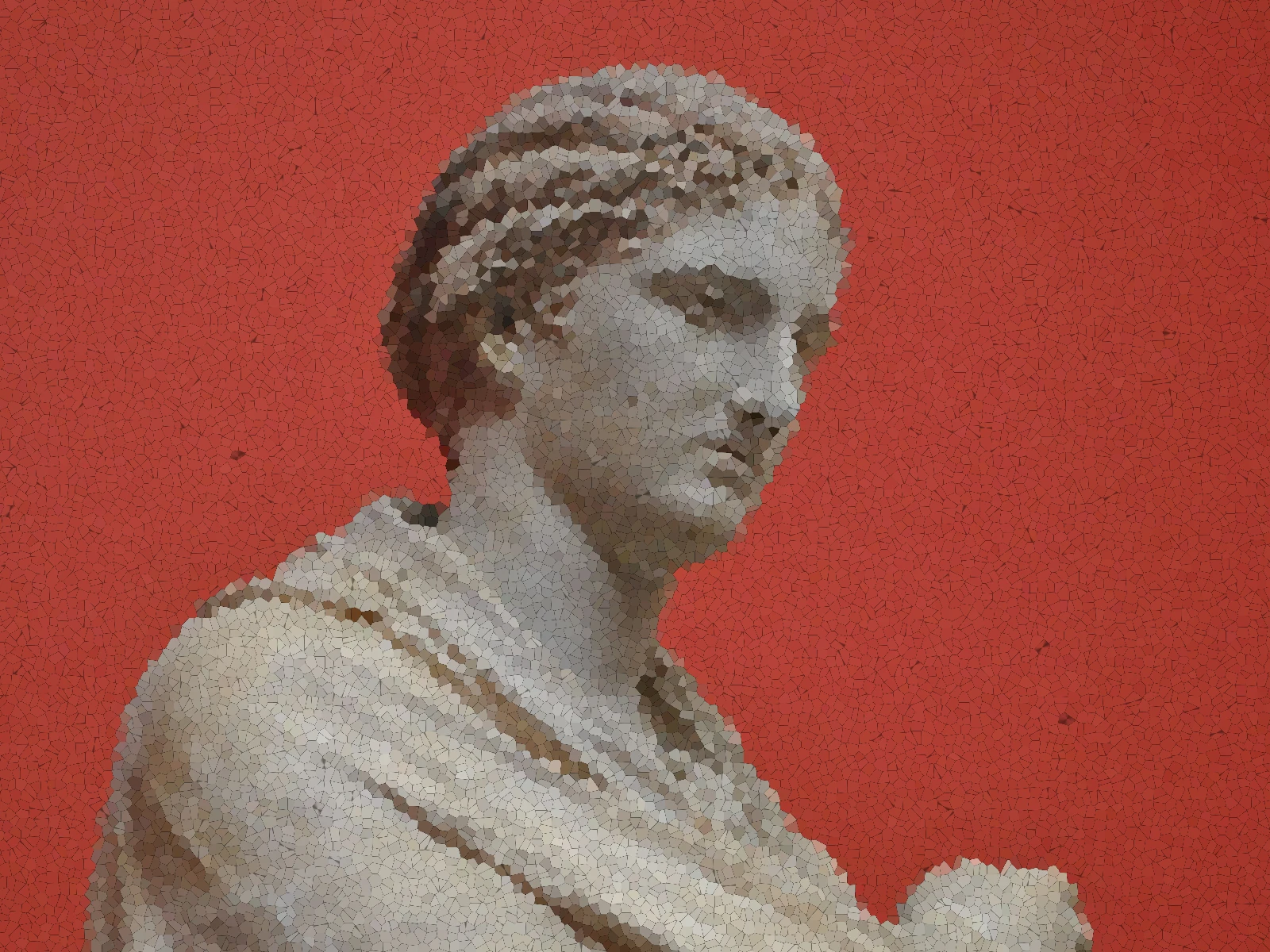
This effect partitions the image into irregular polygonal cells and fills each with a single averaged colour, which is Voronoi tessellation rather than a regular grid. FACET SIZE runs from 1 to 12 pixels with a default of 2 and controls seed spacing, so it sets how many facets the image is broken into: small values keep detail across many cells, large values reduce a portrait to a few dozen shards. Because cell boundaries are irregular, edges do not align to a grid and the result reads as fracture rather than as pixelation. In kott it renders in natural colour.
04/ FAQ
- What is a crystallize effect?
- A crystallize effect breaks an image into irregular polygonal cells of flat colour, using a Voronoi partition where every point belongs to its nearest seed rather than to a grid square.
- What is the difference between crystallize and pixelate?
- Pixelation uses a regular grid, so every cell is the same square. Crystallize uses irregular polygons of varying size and shape, which is why it reads as fracture rather than as low resolution.
- What FACET SIZE keeps a face recognisable?
- Stay at 1 or 2. Because facets are irregular, a single large cell can swallow an eye entirely, so coarse settings lose likeness faster than an equivalent pixelation would.