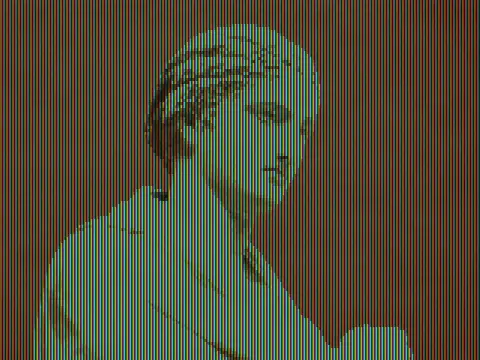
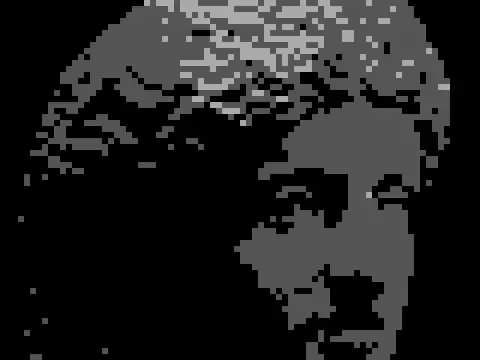
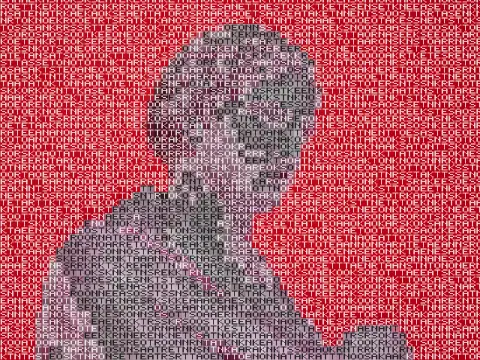
led matrix effect

 SourceEffect
01/ ORIGIN
Light-emitting diodes reached usable brightness in the 1960s and were arranged into character grids almost immediately, because a matrix of individually addressed points was the cheapest way to show anything at all. Departure boards, scoreboards, lift indicators and shop signs all worked this way for decades, with resolutions so low that legibility had to be designed rather than assumed. The look survives because those constraints produced a visual language nobody has needed to replace.
02/ SWEEP
PITCH sweep
03/ SPEC
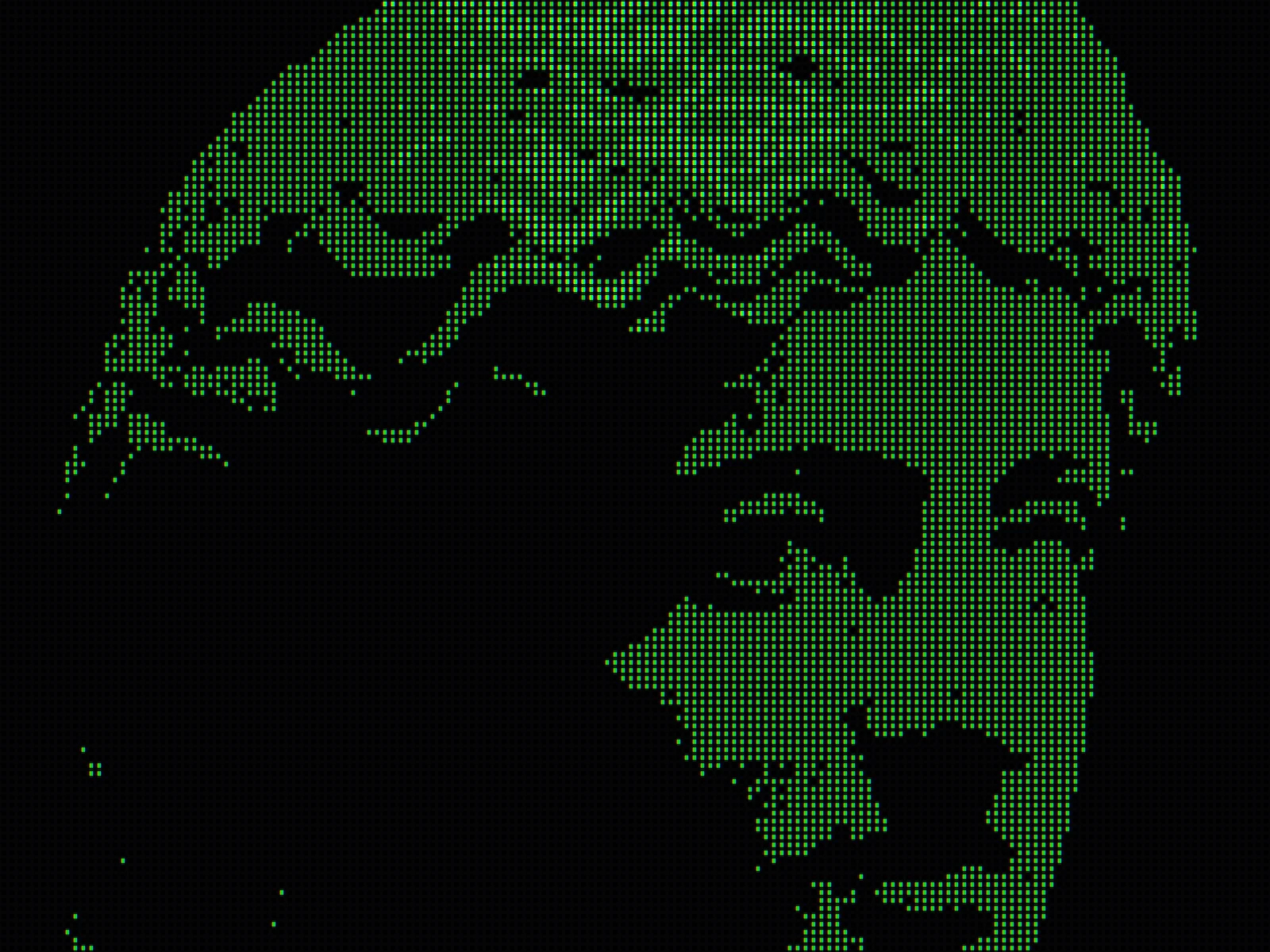
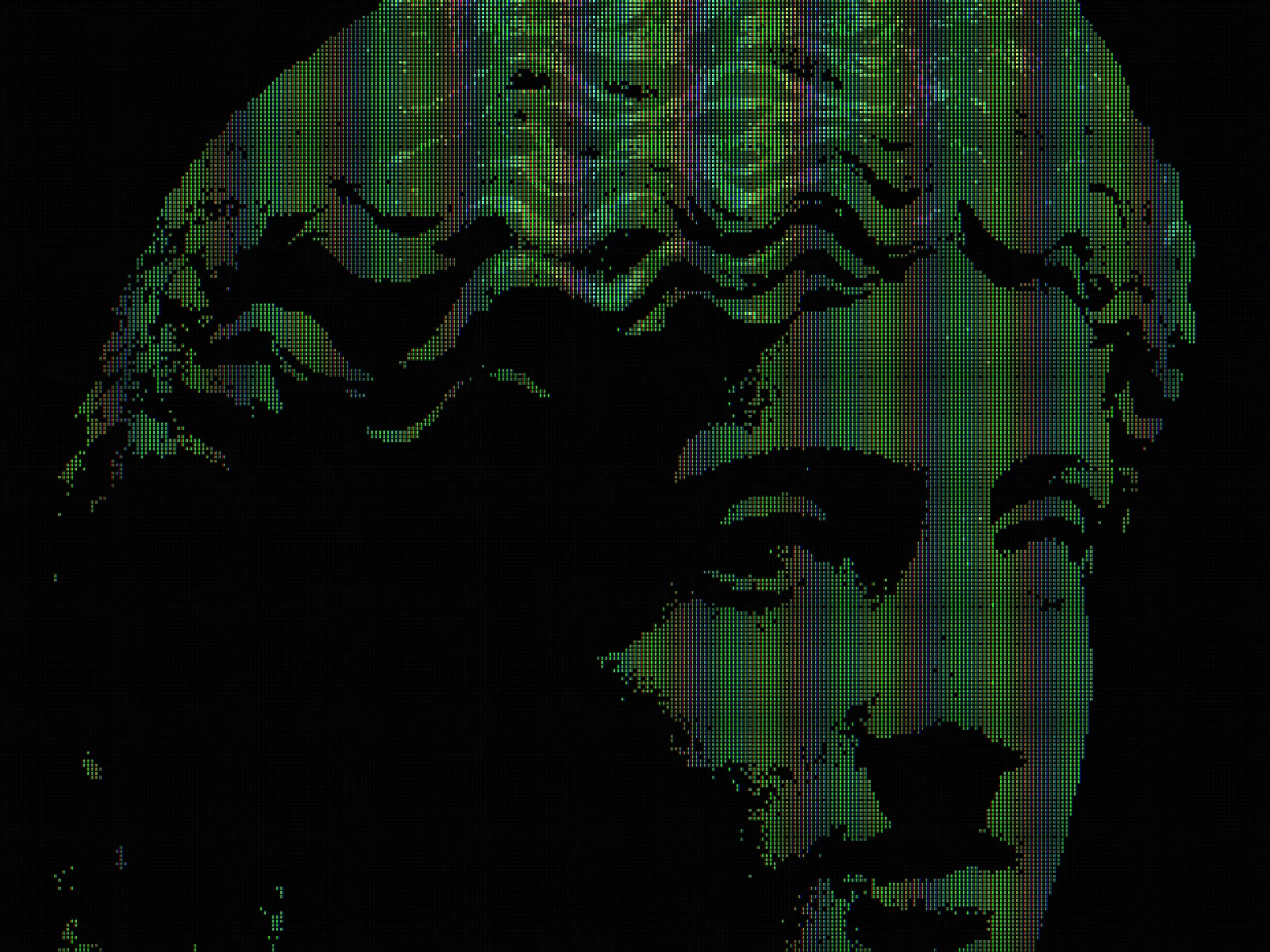
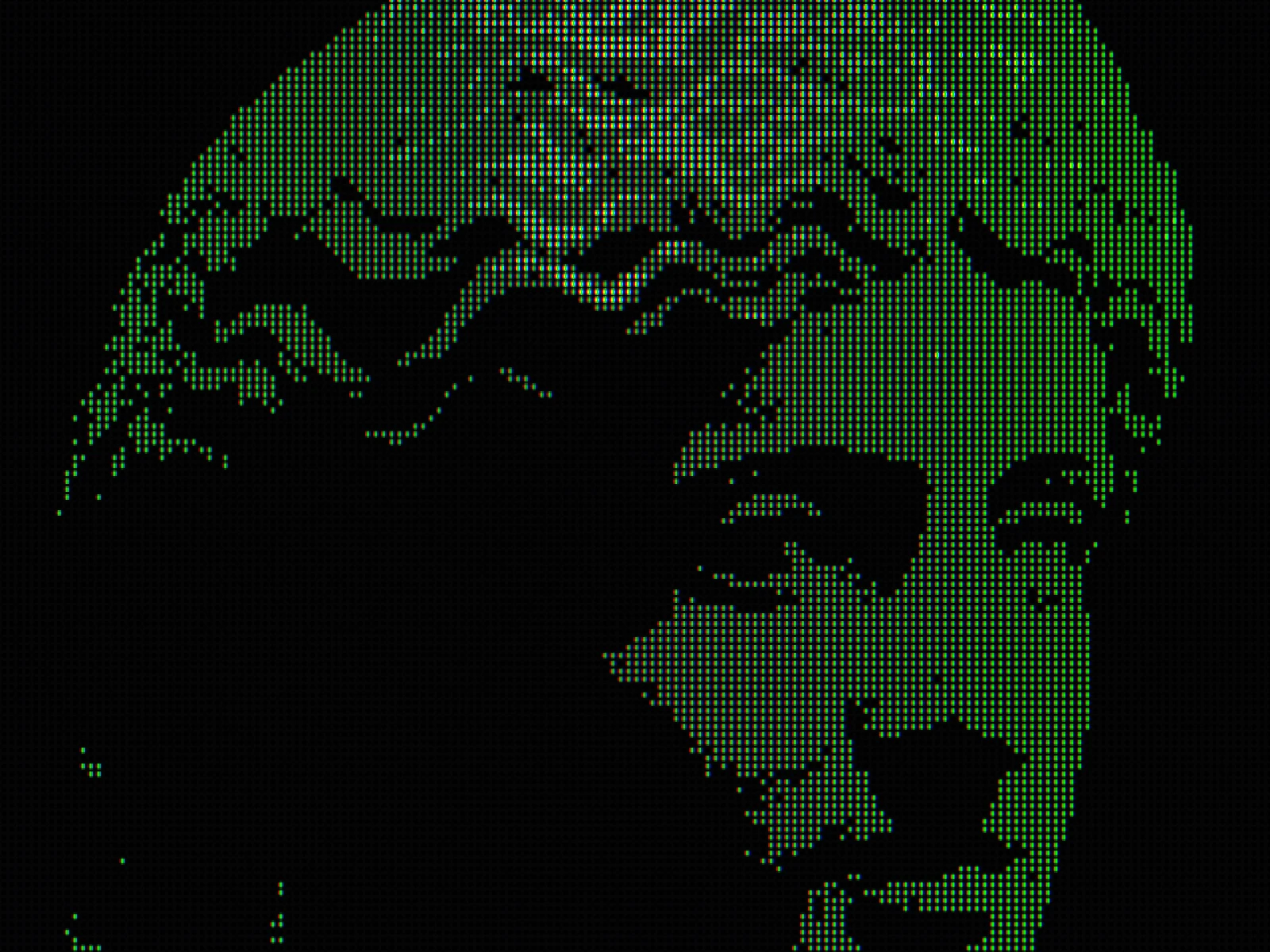
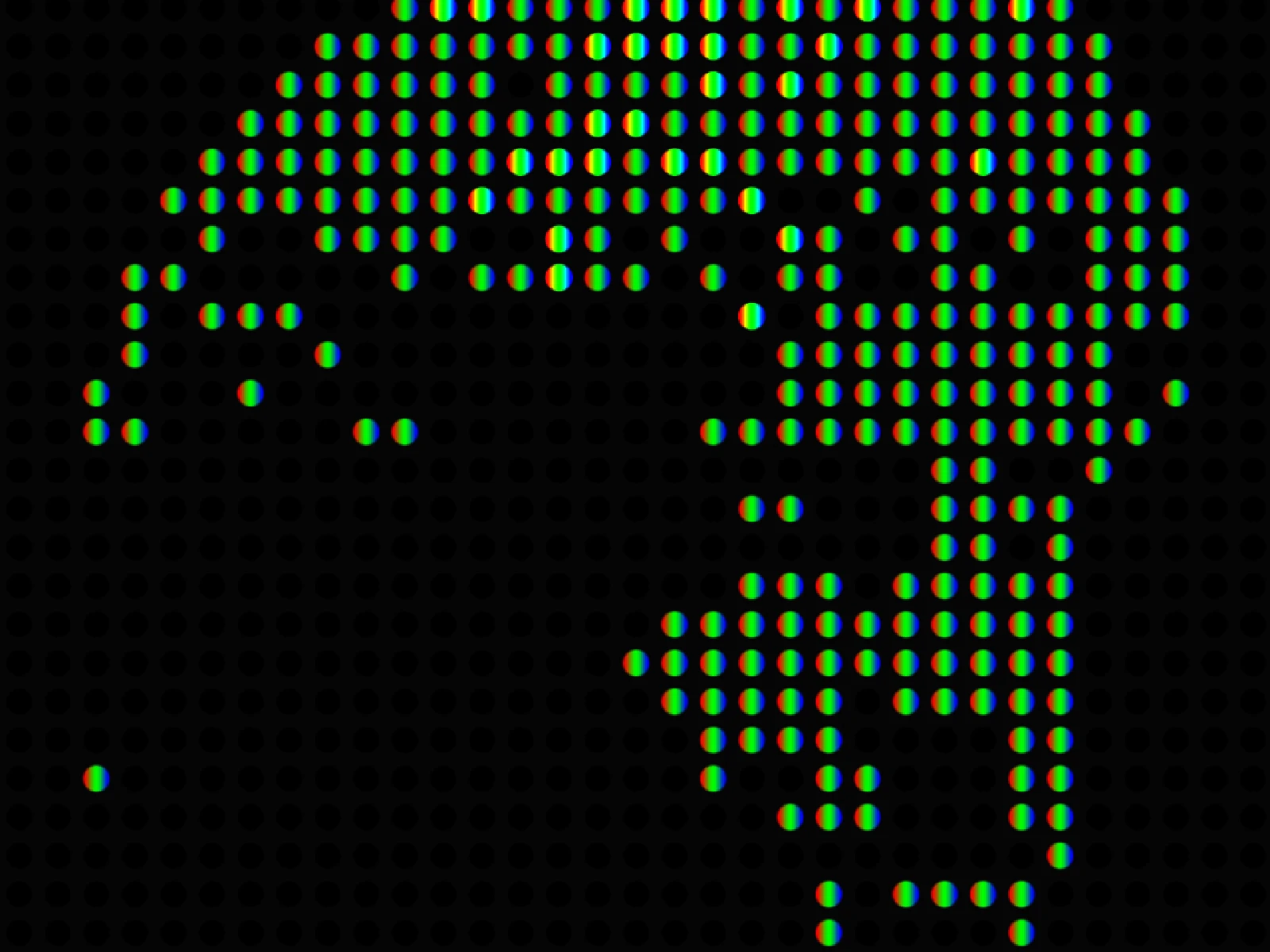
This effect samples the image on a regular grid and renders each cell as a discrete emissive dot on a dark field, so the unlit gaps between points become part of the image rather than a texture over it. PITCH sets the spacing between dots from 1 to 10 pixels with a default of 2, and is the only control: low values read as a fine display panel, and high values give the coarse look of a scoreboard seen close up. Because the gaps are unlit, overall brightness drops as PITCH rises. In kott the grid is generated per pixel, so it stays regular at export size instead of tiling.
04/ FAQ
- What is an LED matrix effect?
- An LED matrix effect rebuilds an image as a grid of discrete glowing dots on a dark field, imitating the addressable point displays used in scoreboards, departure boards and shop signage.
- Why does the image get darker as PITCH increases?
- Wider spacing means more unlit gap between dots, and the gaps contribute no light. Raise source brightness or contrast before the effect if you need to hold the tone.
- What is the difference between an LED matrix and pixelation?
- Pixelation fills every cell completely with an averaged colour. An LED matrix lights only a point within each cell and leaves the surrounding gap dark, so the grid itself stays visible.