signal loss effect

 SourceEffect
01/ ORIGIN
Analogue television snow was amplified noise: with no broadcast to lock onto, a set turned up whatever was present, mostly thermal noise from its own electronics and antenna. A small fraction of it was genuinely cosmic, including the microwave background radiation left over from the early universe, which is a fair claim to have been on television more than anyone. Digital broadcast replaced it with a frozen frame or a blue screen, and the sound of static disappeared inside a decade.
02/ SWEEP
AMOUNT sweep


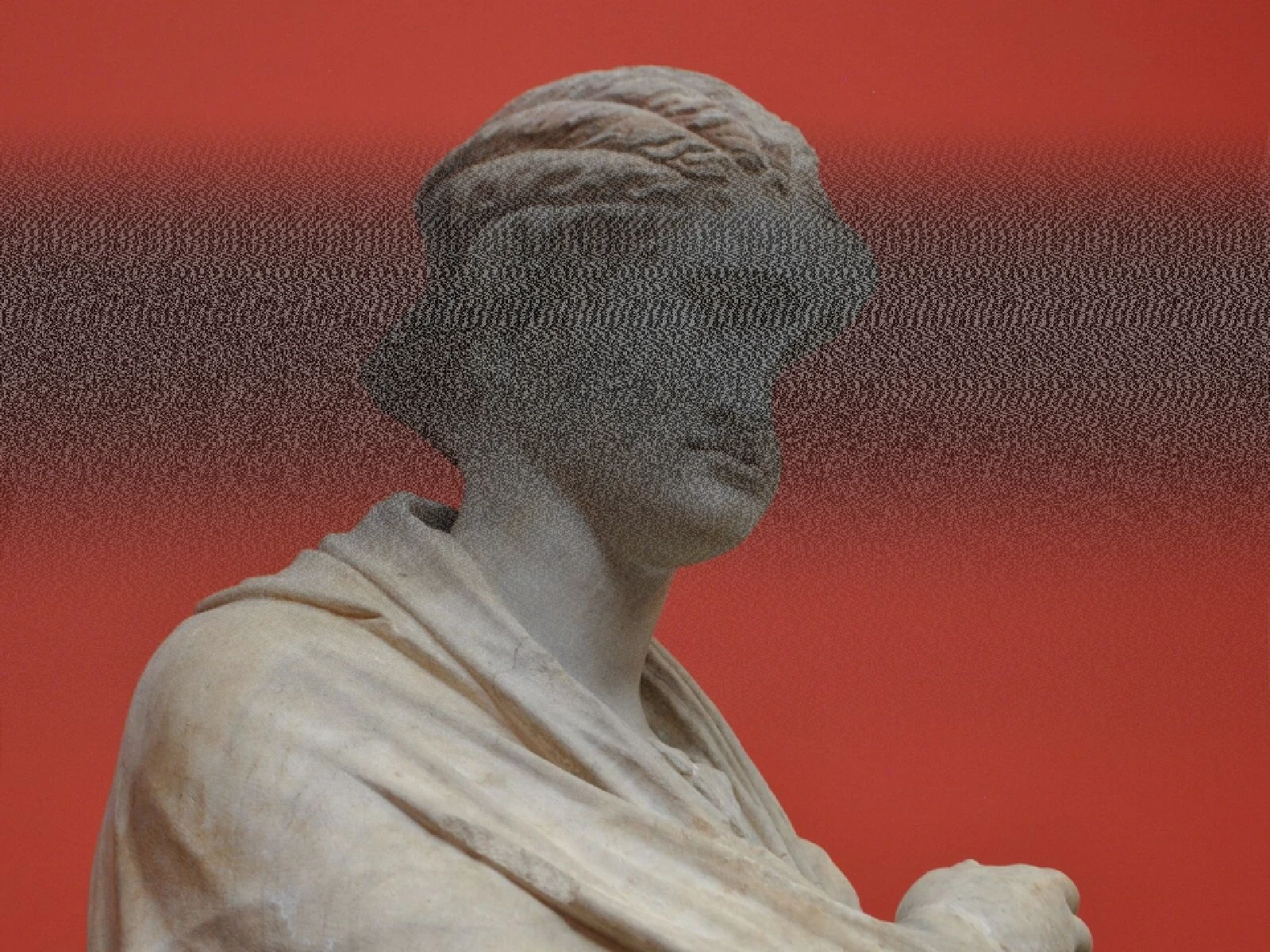
03/ SPEC
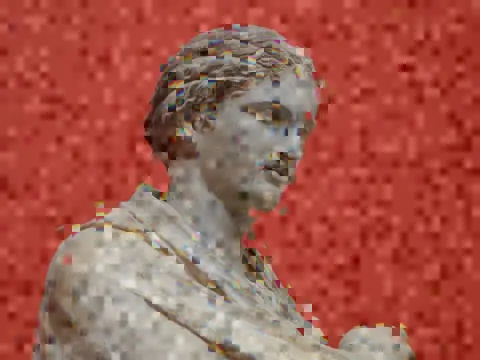
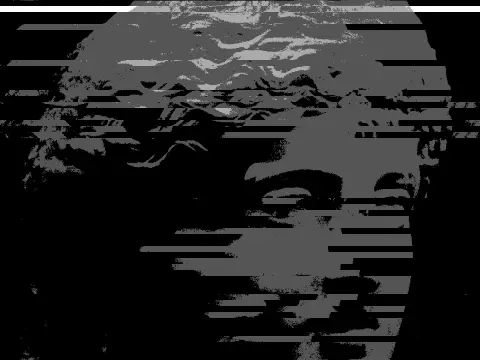
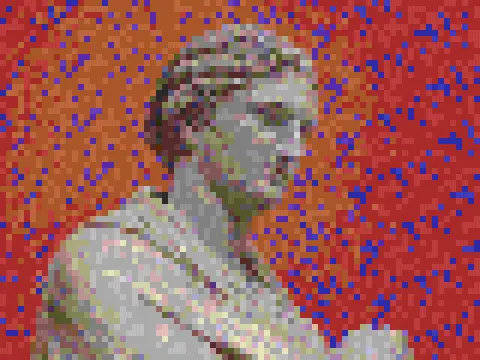
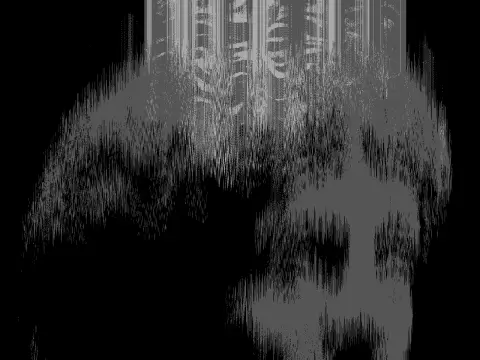
This effect replaces parts of the image with noise and rolling bars, imitating a receiver amplifying an absent signal rather than adding a grain overlay. AMOUNT runs from 0 to 1 with a default of 0.5 and controls how much of the frame is lost to noise, where 0 leaves the picture intact. BARS sets how many horizontal disruption bands appear, SNOW scales noise density, and SPEED animates the bands over time and therefore affects video rather than a still. In kott it renders in natural colour so surviving picture keeps its hue.
04/ FAQ
- What is a signal loss effect?
- It replaces parts of an image with noise and rolling bars, imitating an analogue receiver amplifying whatever is present when there is no broadcast to lock onto.
- What was television static actually showing?
- Amplified noise, mostly thermal noise from the set's own electronics and antenna. A small fraction was genuinely cosmic, including microwave background radiation from the early universe.
- Why did static disappear?
- Digital broadcast does not degrade gracefully. With no signal there is nothing to amplify, so a receiver shows a frozen frame or an error screen instead of noise.