vhs effect

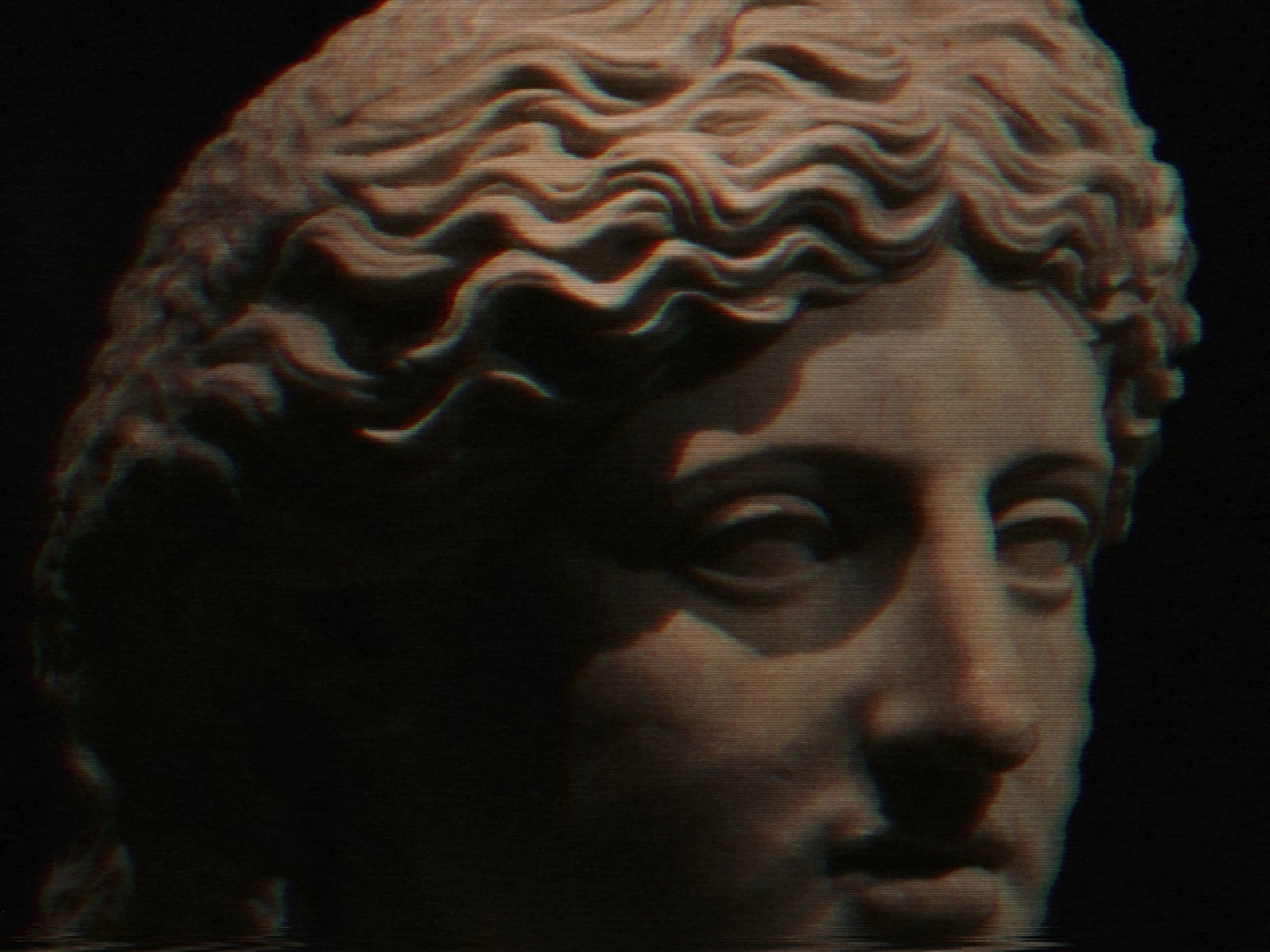 SourceEffect
01/ ORIGIN
JVC released VHS in 1976 and spent the next decade winning a format war against a technically better rival. The compromises that won it are the ones you see here: to fit a film on a cassette, colour was recorded at a fraction of the bandwidth given to brightness, and the tape was read by a head that could drift. Every artifact was a defect somebody was paid to reduce. They only became a language once the format was obsolete enough to be safe.
02/ SWEEP
AMOUNT sweep



03/ SPEC
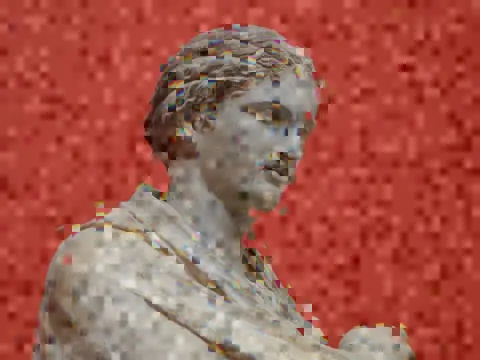
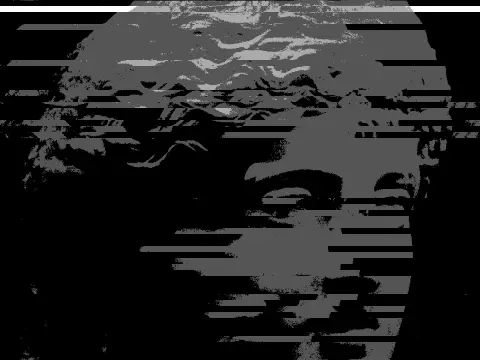
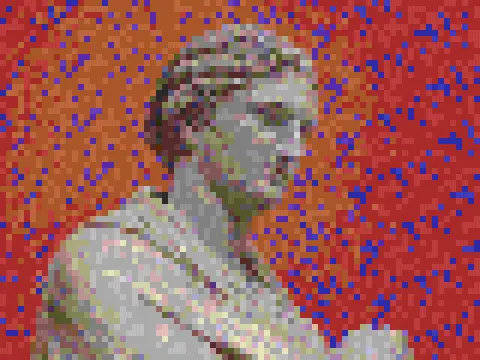
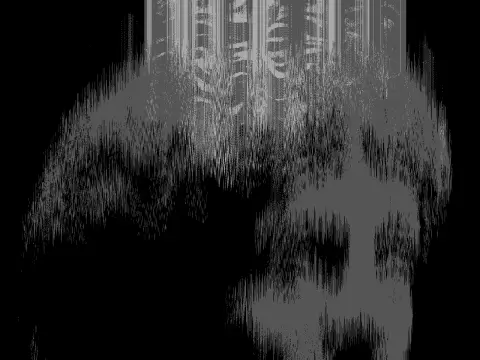
This effect stacks the distinct failure modes of VHS as separate controls rather than one slider, so a specific era can be built instead of a generic degraded look. AMOUNT scales the whole stack from 0 to 1, default 0.6. CHROMA BLEED, 0 to 8 pixels, smears colour horizontally and does most of the perceptual work, since chroma was recorded at roughly a quarter of luma bandwidth. TRACKING and WOBBLE produce horizontal instability. HEAD SWITCH tears the lowest scanlines. DROPOUT adds white flecks, and TAPE NOISE plus SCANLINES sit underneath. In kott, vhs-tape is a paid effect alongside vhs-tracking and vhs-dropout. Above AMOUNT 0.8 the result reads as file corruption rather than tape.
04/ FAQ
- What is a VHS effect?
- A VHS effect imitates the specific ways magnetic videotape degrades: colour smearing sideways, the head drifting off track, tearing at the bottom of the frame, tape noise and visible scanlines.
- Why does colour smear sideways on VHS?
- VHS recorded colour at roughly a quarter of the bandwidth it gave brightness, so chroma detail was lost horizontally. CHROMA BLEED reproduces that, and it is the single control that most makes an image read as tape.
- How much VHS AMOUNT is too much?
- Above about 0.8 the result stops reading as tape and starts reading as file corruption, which is a different look. Keep AMOUNT near the 0.6 default if you want the format rather than the failure.