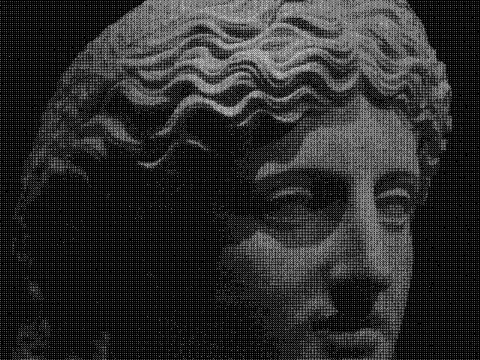
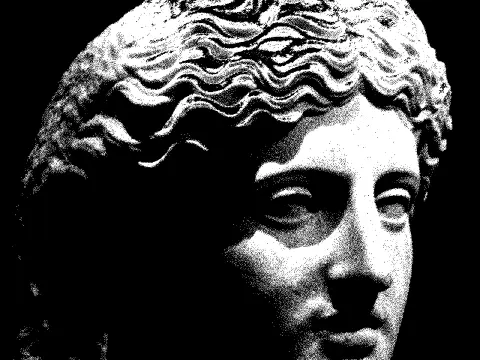
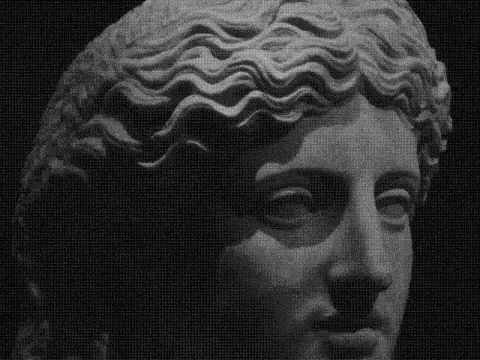
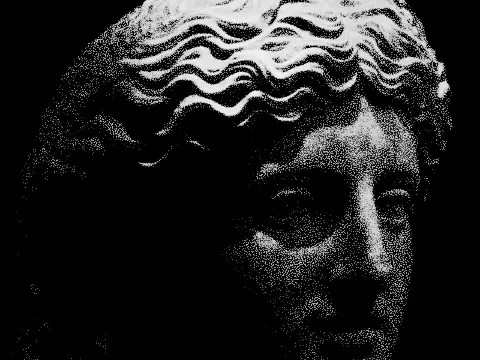
honeycomb dither effect
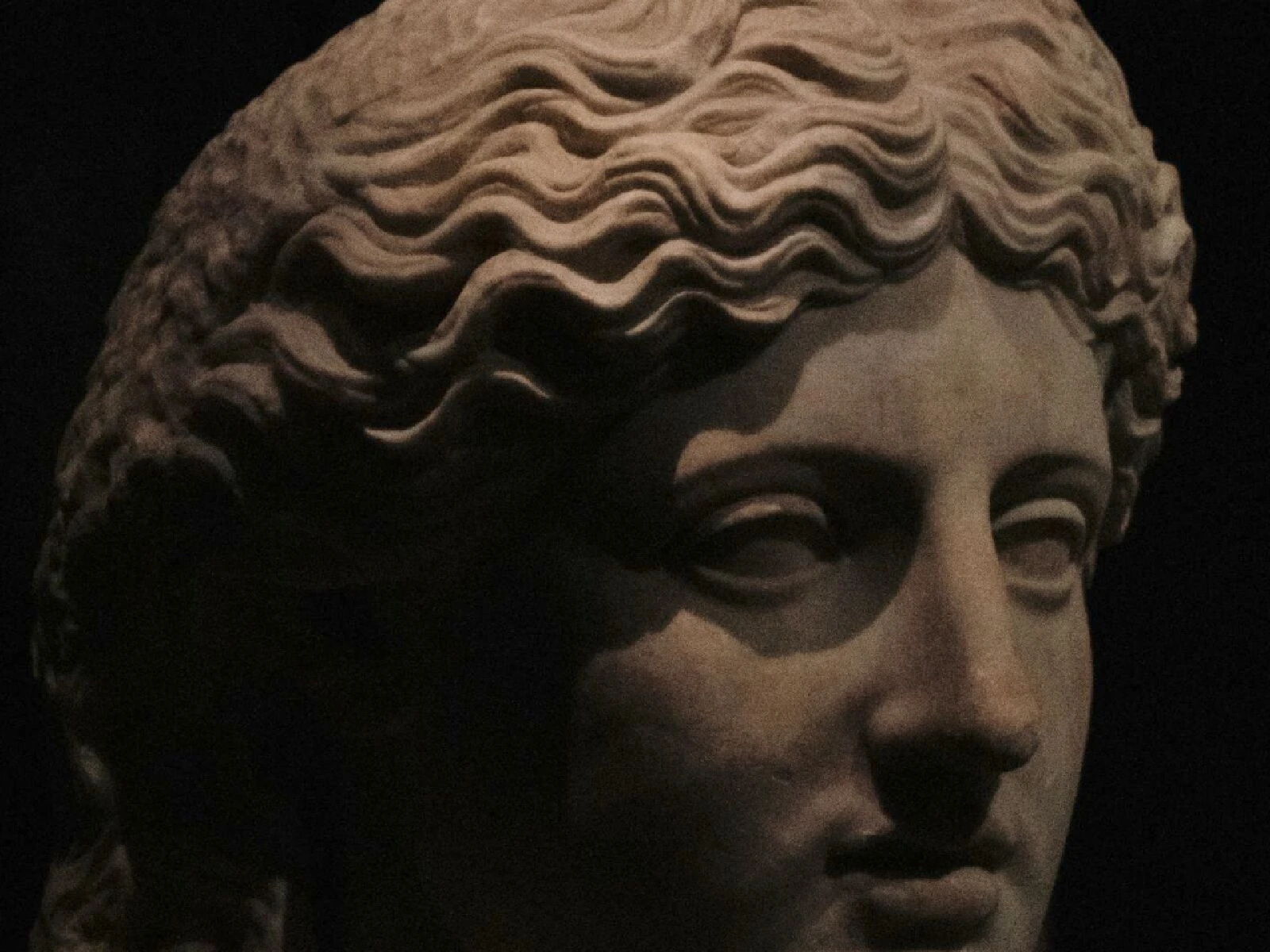
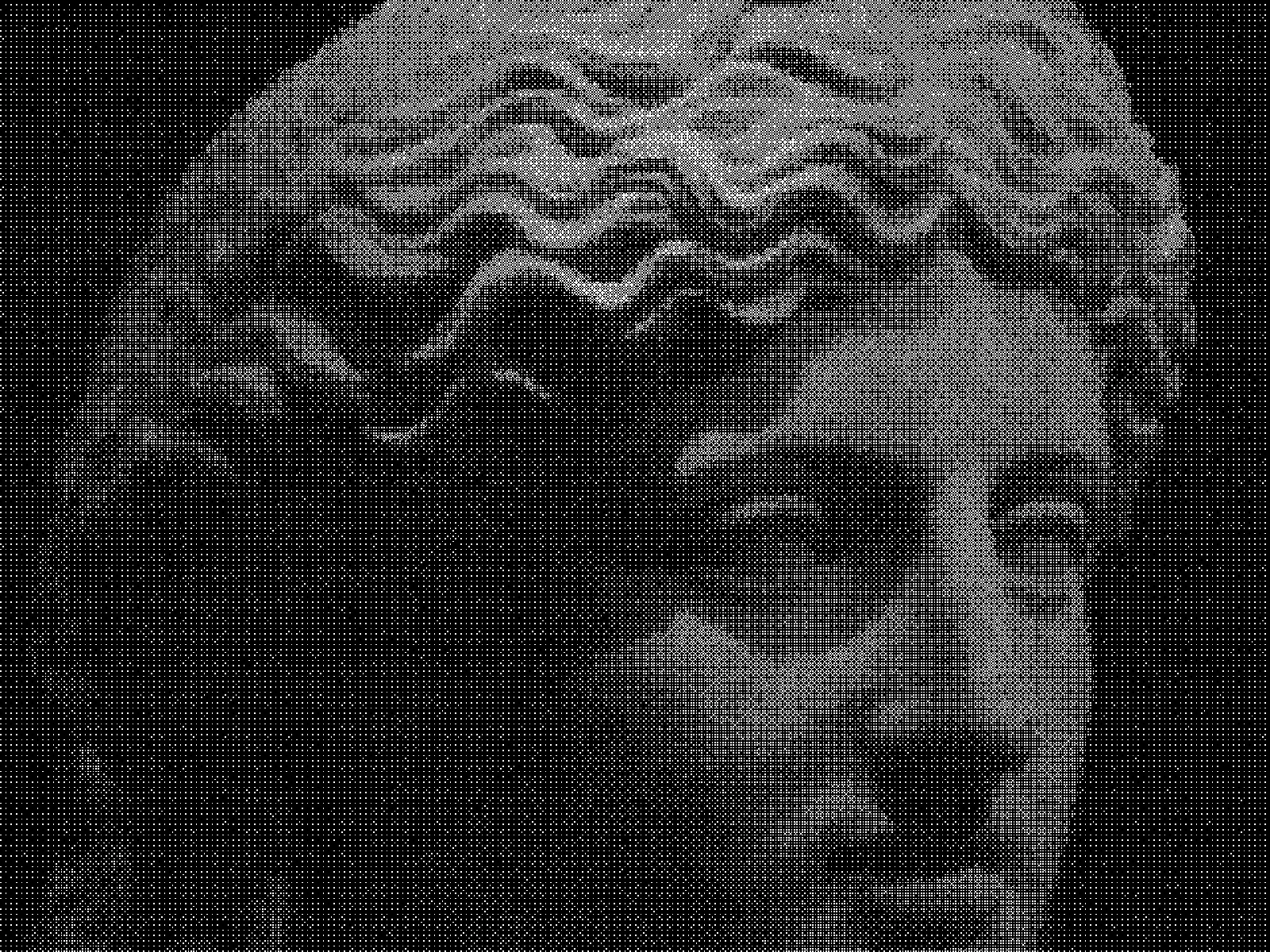 SourceEffect
01/ ORIGIN
A hexagonal grid is measurably better than a square one for sampling: every cell has six neighbours all equidistant, whereas a square cell has four at one distance and four diagonals at another, so a square grid has direction built into it. Hexagonal sampling packs about thirteen percent more efficiently for the same resolution and has been studied in image processing since the 1960s. Displays are square for manufacturing reasons, not mathematical ones.
02/ SWEEP
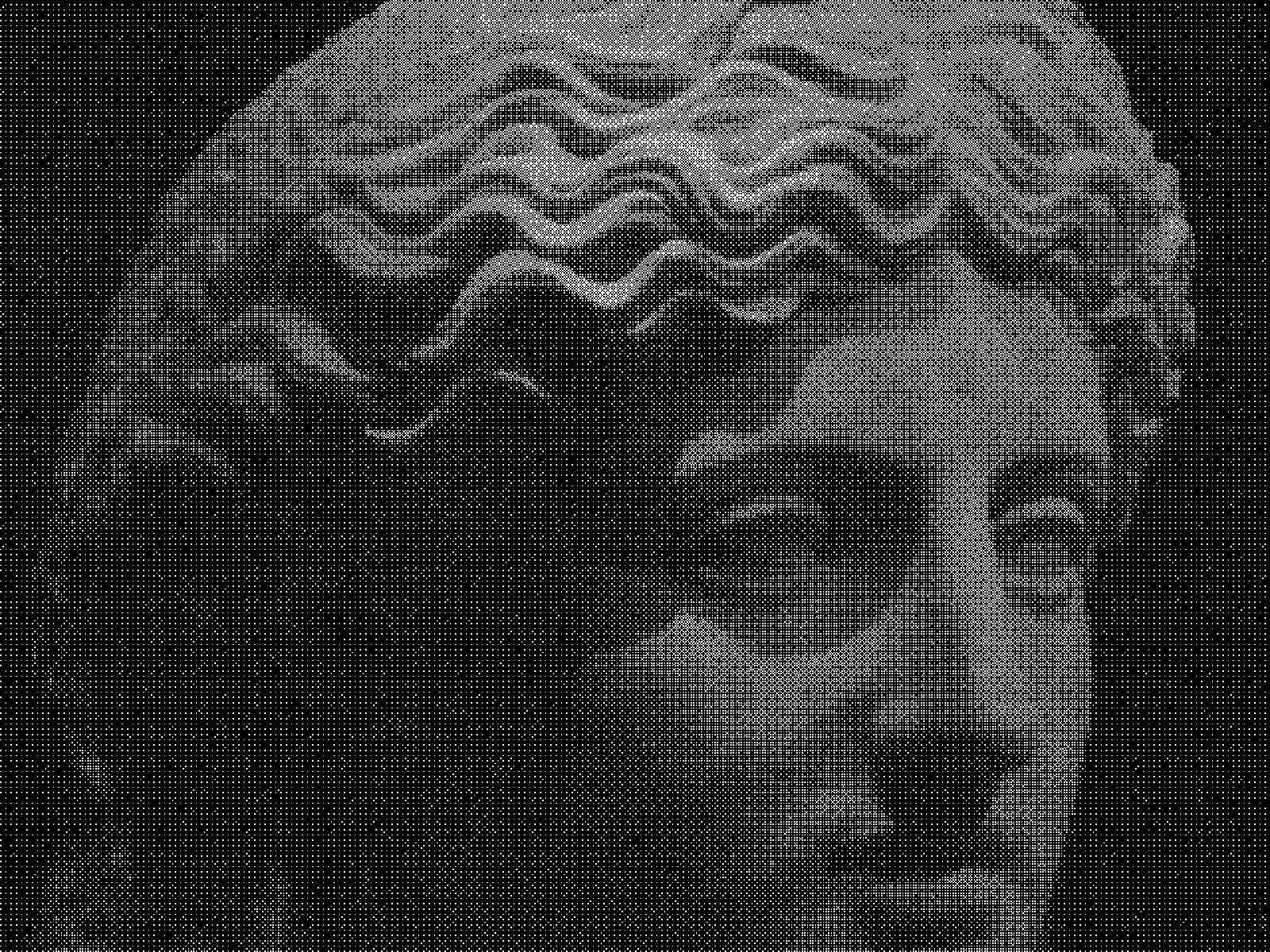
CELL sweep
03/ SPEC
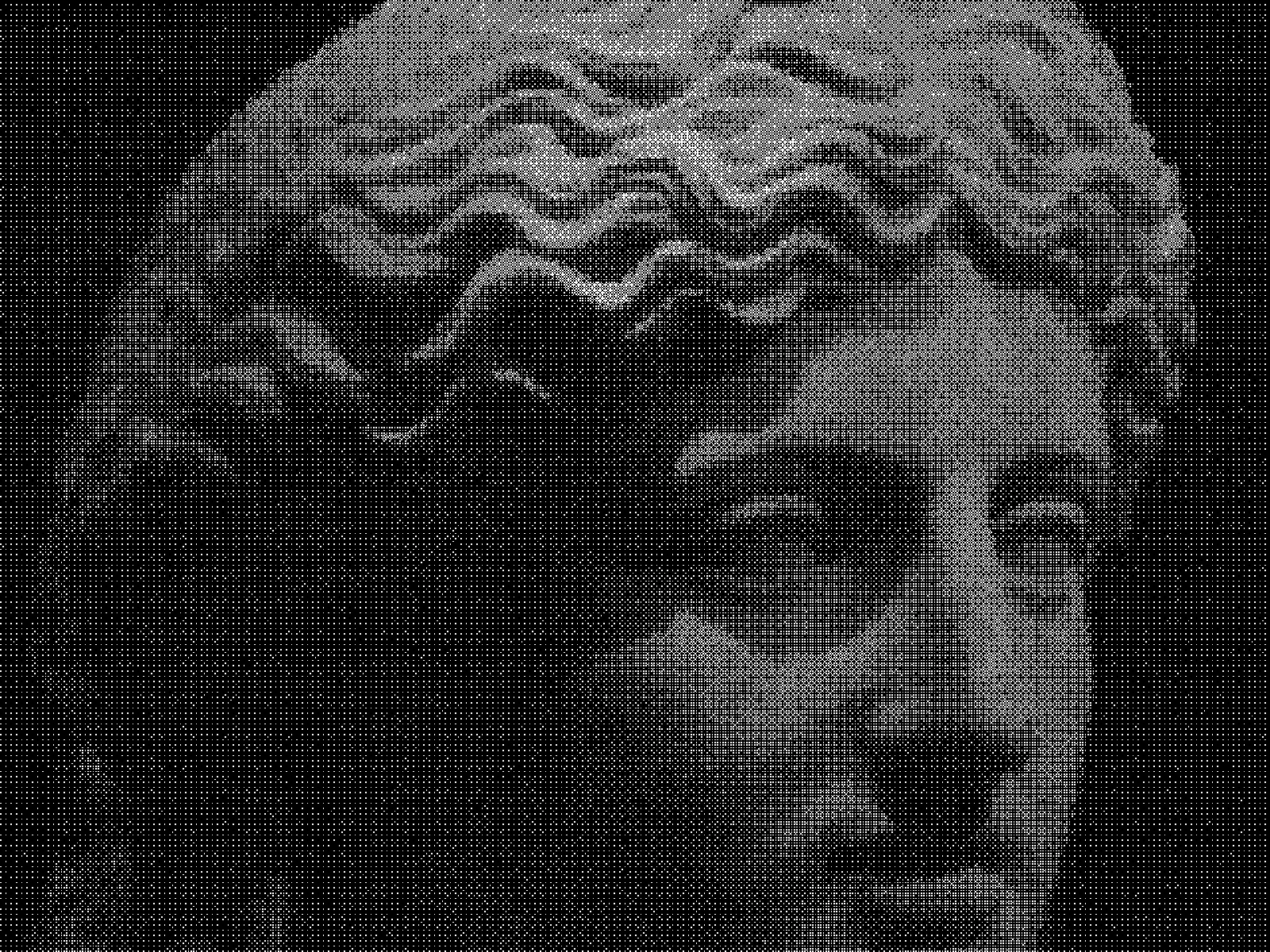
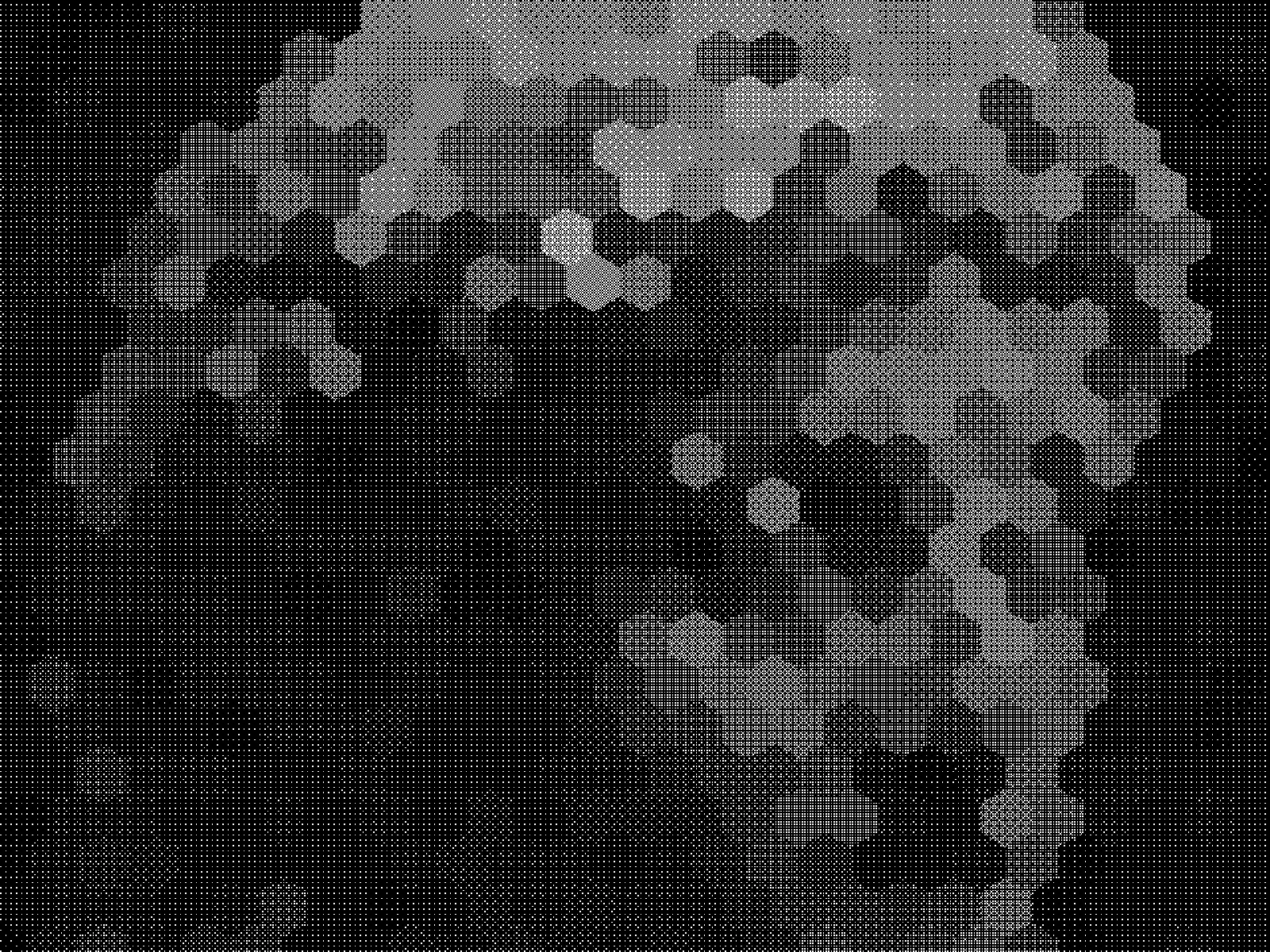
This effect thresholds the image against a pattern laid out on a hexagonal lattice rather than a square one, so the resulting texture has no dominant horizontal or vertical axis. CELL runs from 1 to 39 pixels with a default of 6 and is the only control, setting the hexagon size and therefore the grain. Because a hex lattice has six equidistant neighbours instead of four plus four diagonals, in kott the dither pattern reads as organic rather than as a grid, even at coarse settings.
04/ FAQ
- What is a honeycomb dither effect?
- It thresholds an image against a pattern on a hexagonal lattice rather than a square grid, so the resulting texture has no dominant horizontal or vertical direction.
- Why is a hexagonal grid better for sampling?
- Every hexagon has six neighbours all equidistant, while a square has four adjacent and four diagonal at a greater distance. Hex packing is also about thirteen percent more efficient.
- Why are screens square then?
- Manufacturing and addressing convenience, not mathematics. Hexagonal sampling has been known to be superior since the 1960s, but rectangular arrays are far easier to build and index.